


Can We Store Electricity? Unlocking the Power of Modern Energy Storage
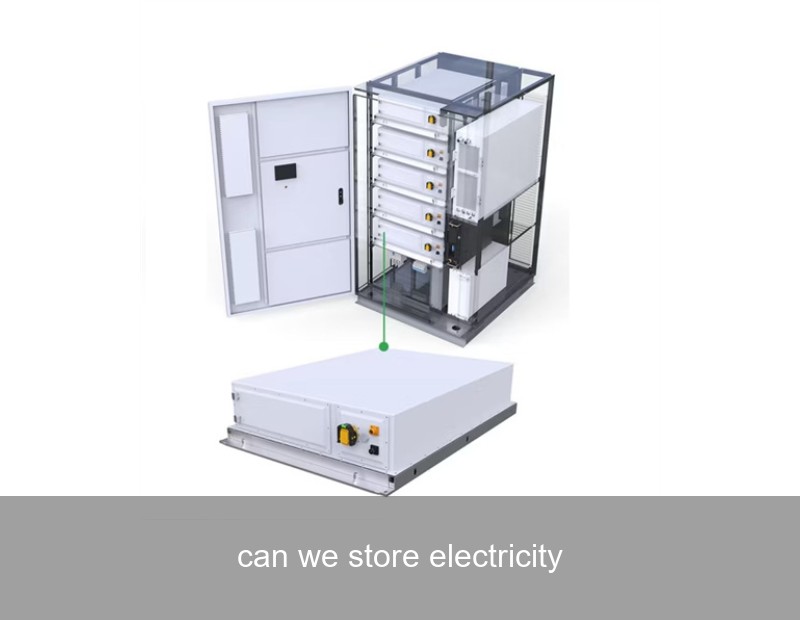
It’s a simple question with profound implications for our energy future: Can we store electricity? You flip a switch, and the light comes on instantly. We’ve grown so accustomed to this immediate, on-demand power that we rarely stop to think about the incredible journey those electrons make. But here’s the catch: electricity, in its pure form, is notoriously difficult to stockpile. Unlike oil in a barrel or coal in a pile, electrons don’t like to sit still. So, how do we capture the lightning, so to speak? The answer is not just a scientific curiosity—it's the key to unlocking renewable energy, stabilizing our grids, and achieving true energy independence.
The Challenge of Storing Electrons
At its core, electricity is the flow of electrical charge. Think of it like water flowing through a pipe. You can't store the "flow" itself; you store the water in a tank to create the flow on demand. Similarly, we can't store raw "current." Instead, we convert electrical energy into other forms of energy that can be stored, and then convert it back when needed. This conversion process isn't 100% efficient—some energy is always lost as heat—but modern technology has made it incredibly effective.
The drive to solve this puzzle has accelerated with the renewable revolution. Solar panels don't generate power at night, and wind turbines are idle on calm days. This intermittency creates a mismatch between supply and demand. Effective storage acts as a buffer, smoothing out these peaks and valleys. According to the International Energy Agency (IEA), the world needs to add nearly 600 GW of energy storage capacity by 2030 to meet climate goals—a massive leap from today's levels.

Image Source: Unsplash - Photo of grid-scale battery storage.
Method 1: Storing Electricity by Moving Mountains (and Water)
One of the oldest and most large-scale answers to "can we store electricity?" is pumped hydroelectric storage. It's remarkably simple in concept. When you have excess electricity (say, on a windy night), you use it to pump water from a lower reservoir to a higher one. You’ve now converted electrical energy into gravitational potential energy. When demand spikes, you release the water downhill through turbines, generating electricity again. It's a giant, rechargeable water battery.
- Scale: Accounts for over 90% of the world's current grid storage capacity.
- Pros: Massive capacity, long lifespan, proven technology.
- Cons: Geographic limitations, high upfront cost, environmental impact concerns.
Other mechanical methods include Compressed Air Energy Storage (CAES), where air is pumped into underground caverns, and Flywheel systems, which store energy in a rotating mass—excellent for short-term, high-power grid stabilization.
Method 2: The Chemistry Set: Electrochemical Storage (Batteries)
This is where the most dramatic innovation is happening. Batteries store electricity by converting it into chemical energy. When you charge a battery, you force a chemical reaction that accumulates potential. When you discharge it, the reaction reverses, releasing electrons back as electricity.
The landscape here has evolved far beyond the AA cells in your remote. Let's break it down:
| Technology | Best For | Considerations |
|---|---|---|
| Lithium-ion (Li-ion) | EVs, residential & commercial storage, grid services | High energy density, declining cost, but concerns over raw materials (cobalt, lithium). |
| Flow Batteries (e.g., Vanadium) | Long-duration grid storage (4+ hours) | Long cycle life, scalable capacity, but lower energy density and higher upfront cost. |
| Lead-Acid | Backup power, automotive starting | Mature and low-cost, but shorter lifespan and lower depth of discharge. |
The choice of battery technology is critical and depends entirely on the application. This is where expertise from a company like Highjoule becomes invaluable. We don't just sell battery racks; we provide intelligent Battery Energy Storage Systems (BESS) that are tailored to specific needs. Our HPS Series for Commercial & Industrial applications, for instance, uses advanced Li-ion chemistry with integrated thermal management and AI-driven software to optimize for demand charge reduction and backup power, ensuring businesses get the right chemistry for their unique load profile.
Method 3: Holding the Heat: Thermal Energy Storage
Sometimes, the best way to store electricity is to convert it into heat or cold. Excess renewable energy can be used to heat molten salts, rocks, or water, which can then be used later for industrial processes, district heating, or even to drive steam turbines and regenerate electricity. While the "round-trip" efficiency back to electricity can be low, using the heat directly is extremely efficient. It's a powerful reminder that storing electricity isn't always about getting electrons back; it's about preserving the useful work the electricity can do.
The Highjoule Approach: Intelligent, Integrated Systems
So, can we store electricity? Absolutely. But the modern question is: How can we store it intelligently, efficiently, and sustainably? At Highjoule, founded in 2005, we believe the answer lies in integration and intelligence. Our systems are more than just storage hardware; they are the brains of a new energy ecosystem.
For residential customers, our Home Energy Hub seamlessly integrates with solar PV, allowing homeowners to store daytime solar excess for use at night, maximizing self-consumption and providing peace-of-mind backup during outages.
For our commercial and industrial partners, the challenge is often managing expensive demand charges from the utility. Our C&I solutions constantly learn and predict energy usage patterns, discharging the battery precisely during short periods of peak demand to slash costs. For microgrids and utilities, our large-scale GridStack solutions provide essential services like frequency regulation and renewable firming, making the grid more resilient and green.
Our software platform, Highjoule Nexus™, is the orchestrator, deciding when to charge, when to discharge, and when to participate in grid service markets—all to deliver the highest economic and operational value for the asset owner.

Image Source: Unsplash - Photo of energy management system control room.
Case Study: From Theory to Practice – A Bavarian Dairy Farm
Let's make this concrete with a real example from our European operations. A large dairy farm in Bavaria, Germany, faced two problems: volatile energy costs and a desire to reduce its carbon footprint. The farm had a sizable rooftop solar array, but much of its production was exported to the grid at low feed-in tariffs while the farm later bought expensive power for its 24/7 cooling and milking operations.
The Solution: Highjoule installed a 250 kWh / 200 kW battery storage system integrated with their existing solar PV. The system was designed for two primary functions: maximizing solar self-consumption and providing peak shaving.
The Data-Driven Outcome: Within the first year:
- Self-consumption of solar power increased from 35% to over 80%.
- Grid energy purchases during high-price periods were reduced by 40%.
- By flattening the load curve, the farm achieved an annual reduction in demand charges of approximately €8,500.
- The system provided automatic backup power for critical cooling facilities, securing the farm's core operations.
This case, documented in part with data from the Fraunhofer Institute for Solar Energy Systems, shows how answering "yes" to electricity storage translates directly into economic resilience and sustainability for a business.
The Future: A Grid Built on Stored Electricity
We are moving towards a future where storage is not an add-on but a fundamental component of the grid architecture. Imagine a network where every home, business, and power plant can both draw from and contribute to a flexible, reliable pool of stored energy. This "virtual power plant" concept is already being deployed by forward-thinking utilities partnering with providers like Highjoule.
Emerging technologies like solid-state batteries, gravity storage, and green hydrogen (using electricity to produce hydrogen for storage and later use) promise to further expand our toolkit. The U.S. Department of Energy's Energy Storage Grand Challenge is actively driving innovations to make storage even more affordable and versatile.

Image Source: Unsplash - Photo of a modern home with solar panels.
The question has evolved from *"Can we store electricity?"* to *"How can your organization benefit from storing electricity today?"* Whether your goal is energy bill savings, carbon reduction, or unwavering power reliability, the technology is ready and proven. What is the first peak in your energy load curve that you'd like to shave away?
 Inquiry
 Online Chat