


Finding a Truly Cheap Solar System in Nigeria: Beyond the Price Tag
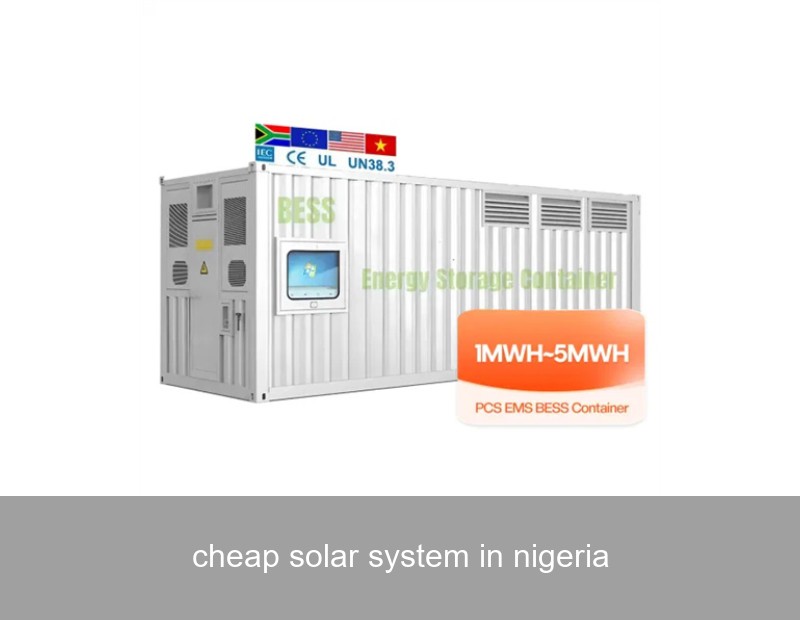
When searching for a "cheap solar system in Nigeria," you're likely met with a dizzying array of options and prices. The initial cost is a major concern, and rightly so. But here's a critical insight from the global energy industry: the cheapest system upfront can often become the most expensive investment over time. The true goal isn't just a low purchase price; it's achieving the lowest lifetime cost of energy. This means balancing affordability with reliability, efficiency, and durability—especially in Nigeria's demanding climate and grid environment. Let's explore how to make a smart, cost-effective solar investment that powers your home or business for decades, not just for a few seasons.
Table of Contents
The Real Cost of a "Cheap" Solar System: A Closer Look
The market is flooded with low-cost solar panels and inverters. However, the phenomenon of rapid degradation and failure is all too common. A system that fails to perform after 18 months due to substandard batteries or poor inverter electronics turns a "cheap" buy into a recurring expense.
Consider this data point: While a tier-1 solar panel may have a degradation rate of 0.5% per year, guaranteeing 85%+ output after 25 years, an uncertified, low-cost panel can degrade at 3% or more annually. NREL studies on PV module reliability highlight how environmental stress accelerates failure in low-quality modules. In Nigeria's high-temperature, high-humidity environment, this effect is magnified.
The logical progression is clear: Phenomenon (system failure) → Data (high degradation rates) → Insight (Total cost depends on longevity and performance). Your system isn't just an array of parts; it's an energy-generating asset. Its value is measured in kilowatt-hours produced over its lifetime.
Key Components for a Durable Nigerian Solar System
To build a system that is cost-effective in the long run, focus on these pillars:
- Solar Panels with Proven Durability: Look for panels with robust frames, high-quality tempered glass, and certifications from bodies like IEC, which test for humidity freeze, PID (Potential Induced Degradation), and hail impact. These are not just acronyms; they are your insurance against the elements.
- The Heart of the System: The Inverter & Battery Storage: This is where the real intelligence lies. A quality inverter must handle voltage fluctuations, heat, and frequent switching between solar and grid/battery power. But the modern solution goes further—the hybrid inverter coupled with a sophisticated Battery Energy Storage System (BESS).
This brings us to a crucial service offered by global providers like Highjoule. We don't just sell components; we provide integrated, intelligent storage solutions. For the Nigerian market, this means systems designed for off-grid and backup resilience, built on proven technology that manages battery health, maximizes solar self-consumption, and ensures seamless power availability.

Image: A durable rooftop solar installation is a long-term asset. Source: Unsplash
The Highjoule Approach: Smart Storage for Maximum Value
At Highjoule, with nearly two decades of experience since 2005 in powering commercial, industrial, and residential sites worldwide, we've learned that the core of a reliable, "cheap-in-the-long-run" solar system is intelligent storage.
Our systems, like the Highjoule HES Series for residential and commercial use, are built around advanced lithium iron phosphate (LiFePO4) batteries. Why does this matter for Nigeria?
- Longevity & Safety: LiFePO4 chemistry offers thousands of cycles, outperforming traditional lead-acid batteries 5-10 times in lifespan. They are also inherently stable in high temperatures.
- Deep Integration: Our inverters and batteries communicate seamlessly via a built-in Battery Management System (BMS). This isn't just a connection; it's a conversation that optimizes charging, prevents damage, and extends life.
- Adaptive Energy Management: The system intelligently decides when to draw from solar, when to charge the battery, and when to use the grid, ensuring you get the most economic value from every watt generated.
By integrating Highjoule's smart storage, the definition of a "cheap solar system" transforms. It becomes a system that avoids cost by preventing premature failure, reducing generator diesel dependency, and providing predictable power for years.
Case Study: Powering Resilience for a Lagos Retail Complex
Let's move from theory to practice with a real-world application. A medium-sized retail complex in Lagos faced crippling operational costs from daily diesel generator use (8-10 hours daily) and unreliable grid power.
Challenge: Reduce diesel dependency by over 70%, ensure 24/7 power for refrigeration and lighting, and achieve a return on investment within a realistic timeframe.
Solution: A 120kW solar PV array coupled with a Highjoule C&I Battery Storage System (250kWh capacity). The system was designed for peak shaving and solar load shifting, storing excess daytime solar energy for use during the evening peak and grid outages.
Results (18 Months Post-Installation):
| Metric | Before Installation | After Installation |
|---|---|---|
| Monthly Diesel Spend | ~₦4.8 Million | ~₦1.2 Million |
| Generator Run Hours | 250+ hrs/month | 60 hrs/month |
| Grid Power Reliance | Primary (when available) | Backup only |
| Estimated Payback Period | N/A | ~4.2 Years |
This data, shared with client permission, illustrates the economic shift. The initial investment was higher than a basic "cheap" solar setup, but the dramatic, sustained reduction in fuel costs and operational downtime created a far lower total cost of ownership. The Highjoule BESS ensured the solar energy was not wasted but utilized precisely when needed most.

Image: A professional Battery Energy Storage System (BESS) ensures reliability. Source: Unsplash
Making the Right Choice for Your Needs in Nigeria
So, how do you navigate the search for a truly economical solar system? Ask these questions:
- What is the warranty and performance guarantee? Look for 10+ years on inverters and 25-year linear output warranties on panels.
- Is the battery technology suited for daily, deep cycling? LiFePO4 is the benchmark for renewable energy storage.
- Does the system offer intelligent monitoring and control? You should be able to track performance and savings in real-time from your phone.
- Is the provider a long-term partner? Do they offer local technical support, training, and service?
Companies like Highjoule thrive by being that partner. Our global expertise in microgrid and off-grid solutions is directly applicable to the Nigerian energy landscape. We provide not just hardware, but the software intelligence and support to ensure your system delivers on its promise for decades.
Beyond Price: The Value of Energy Independence
The conversation around energy in Nigeria is evolving. It's moving from mere backup to self-sufficiency and sustainability. A robust solar and storage system is an investment in business continuity, productivity, and even property value. The IEA's Africa Energy Outlook 2022 highlights solar PV as the cornerstone of the continent's new power capacity, driven by its cost-effectiveness and adaptability.
When you consider your next step, think beyond the invoice. Think about the cost per kilowatt-hour over the next 10 years. Think about the peace of mind that comes with reliable power. What could your home or business achieve with a truly resilient and intelligent energy foundation?
 Inquiry
 Online Chat