


China Investment in Solar Energy: Reshaping the Global Power Landscape
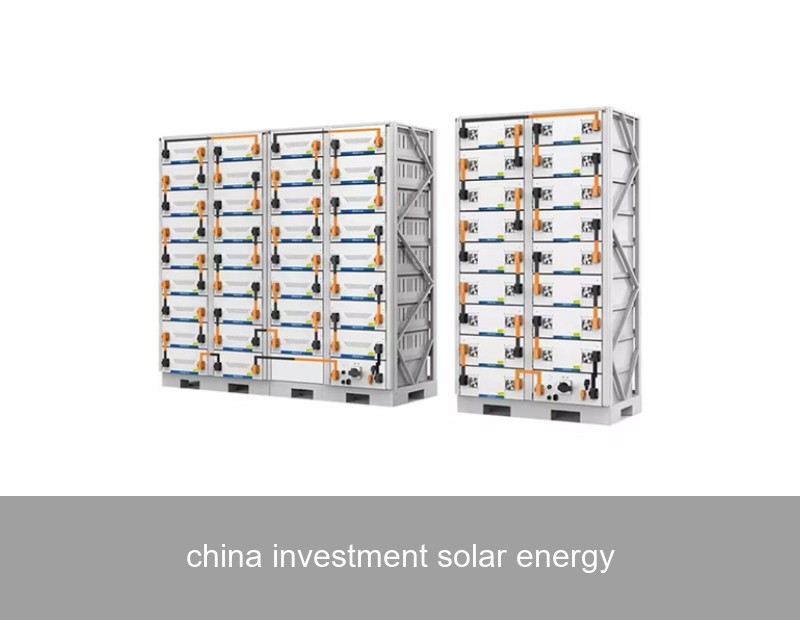
Look at the solar panels on a rooftop in California or the components in a utility-scale farm in Spain. There's a very high probability they have a connection to China investment in solar energy. This isn't just about manufacturing; it's about a comprehensive, strategic drive that is fundamentally altering how the world generates clean power. For businesses, utilities, and homeowners in Europe and the US, understanding this shift is key to making informed, cost-effective, and sustainable energy decisions. It's a story of scale, innovation, and how global currents in renewable investment create both challenges and opportunities for local energy independence.
The Phenomenon: Why China is Dominating Solar Investment
So, what's driving this massive focus? It's a perfect storm of national policy, economic ambition, and technological maturation. China's "dual carbon" goals (peaking emissions by 2030, carbon neutrality by 2060) have created a powerful domestic mandate. But the ambition extends far beyond its borders. Through decades of targeted state and private China investment in solar energy, the country has built an unparalleled vertical supply chain—from polysilicon and wafers to cells and finished modules. This control over the means of production gives it a decisive cost advantage. For Western markets, this means incredibly affordable solar PV hardware, accelerating adoption. But it also raises questions about supply chain resilience and the future of domestic manufacturing. The phenomenon isn't monolithic; it includes everything from "Gigafactory" projects abroad to financing major solar parks in emerging economies.
The Three Pillars of Chinese Solar Dominance
- Scale & Cost: Massive production capacity drives down unit costs, making solar globally competitive with fossil fuels faster than anticipated.
- Integrated Supply Chain: Control over every step, from raw material processing to advanced panel assembly, ensures efficiency and reduces external dependencies.
- Strategic Financing: Chinese banks and funds often provide attractive financing packages for international projects that utilize Chinese technology, creating a powerful market-entry tool.
The Data: Scale, Supply Chains, and Global Impact
Let's talk numbers. According to the International Energy Agency (IEA), China's share in all key manufacturing segments of solar PV exceeds 80%. It's home to the world's top ten suppliers of solar manufacturing equipment. In 2023 alone, China installed more solar capacity than the entire United States has cumulatively. This investment wave has pushed global solar prices down by over 80% in the past decade. For a European developer, this cost reduction is a boon for project economics. For a US homeowner, it means a quicker return on investment for their rooftop system. However, data from BloombergNEF also highlights a growing concentration risk, with over 95% of the world's polysilicon, wafer, and cell production happening in China. This creates a vulnerable chokepoint, as seen during recent logistics disruptions.

Image Source: Unsplash - Large-scale solar farms are a direct beneficiary of globalized manufacturing and investment.
| Manufacturing Stage | China's Share | Rest of World Share |
|---|---|---|
| Polysilicon | 85% | 15% |
| Wafers | 97% | 3% |
| Cells | 85% | 15% |
| Modules | 75% | 25% |
Data compiled from IEA and BloombergNEF reports. IEA Solar PV Global Supply Chains Report.
Case Study: A European Utility's Strategic Pivot
Consider the real-world example of "Energia Verde," a mid-sized utility in Southern Europe (name changed for confidentiality). Facing regulatory pressure and shareholder demand to decarbonize, they planned a 200 MW solar farm in 2021. Initial cost projections using panels from non-Chinese suppliers threatened the project's internal rate of return (IRR). After a thorough risk assessment, they opted for tier-1 Chinese modules, coupled with inverters from a German manufacturer and a sophisticated battery storage system. This hybrid approach leveraged China investment in solar energy for cost-effective generation while ensuring grid stability and power quality with European control and storage technology.
The result? The project came online in 2023, 15% under the original budget for the generation side. The saved capital was redirected into enhancing the battery storage capacity by 30%. This allowed Energia Verde not only to generate cheap solar power but also to trade capacity more effectively on the grid, selling stored power during evening peaks. Their IRR improved by 4 percentage points, and the project became a model for how to pragmatically integrate global supply chains with local grid needs. The key lesson was that a singular focus on origin was less critical than a holistic system design that ensured reliability, intelligence, and value optimization.
Expert Insights: Navigating the New Energy Landscape
The Energia Verde case reveals a crucial insight: in today's interconnected market, the winning strategy is about intelligent integration, not isolation. The influx of affordable solar hardware from China's invested industry is a net positive for the energy transition, but it's only one piece of the puzzle. The real value—and the real challenge for Western markets—lies in what you do with that power. This is where expertise in system integration, grid management, and, most importantly, energy storage becomes paramount. Solar generation is intermittent; its true potential is unlocked only when paired with storage that can time-shift energy, provide grid services, and ensure resilience.
Think of it this way: solar panels are the prolific crop, but battery storage is the granary and the sophisticated distribution network. Without it, abundance can lead to waste (curtailment) and instability. Therefore, while discussions on China investment in solar energy often focus on panels and prices, the more strategic conversation for asset owners is about building a resilient, smart, and storage-backed energy system that can harness this global commodity effectively.
Highjoule's Role: Intelligent Storage for a Globalized Market
This is precisely where Highjoule, as a global leader in advanced energy storage systems since 2005, provides critical value. We operate agnostic to the source of your solar panels. Our mission is to maximize the return and reliability of your entire energy asset. Whether you're a commercial facility in Germany leveraging cheap solar imports or a microgrid developer in Texas, our intelligent battery energy storage systems (BESS) are the enabling technology that transforms variable solar generation into dispatchable, firm power.
Our HPS Series for commercial and industrial applications and the scalable GridMax solutions for utility-scale projects are designed with this new landscape in mind. They feature advanced battery management systems, AI-driven energy optimization software, and seamless integration capabilities with inverters from all major manufacturers. For a project using panels born from China investment in solar energy, a Highjoule BESS adds the essential layers of control, intelligence, and financial optimization—ensuring you capture every kilowatt-hour's value and meet local grid compliance standards in Europe and North America.

Image Source: Unsplash - Battery storage systems are key to stabilizing grids with high solar penetration.
How Highjoule Complements Your Solar Investment
- Maximizing Self-Consumption: Store excess daytime solar for use at night, dramatically increasing energy independence and reducing bills.
- Grid Services & Revenue: Our systems can participate in frequency regulation, capacity markets, and virtual power plants, creating new revenue streams.
- Future-Proofing: As grid rules evolve, our software-upgradable platforms ensure your asset adapts to new market signals and requirements.
The Future: Collaboration, Competition, and Continuity
The landscape shaped by China investment in solar energy is not static. We're seeing policy responses like the US Inflation Reduction Act aiming to foster domestic clean tech manufacturing. Europe is pushing for its own Green Deal Industrial Plan. This will likely lead to a more diversified, though potentially more complex, global supply chain in the coming decade. The future will be defined by both competition and necessary collaboration. The continuous flow of affordable solar technology is vital for global climate goals, but so is building local expertise in system integration and grid resilience.
For an energy manager or project developer today, the question is no longer "Where should my panels come from?" but rather, "How do I build the most resilient, intelligent, and profitable clean energy system with the components available in a global market?" This shifts the focus from sourcing to system design, software, and storage—areas where Western technological innovation continues to lead.
Given this evolving dynamic, what specific storage strategy would best future-proof your solar investment against both market volatility and changing grid demands?
 Inquiry
 Online Chat