


Unlocking Clean Energy for All: The Rise of the Community Solar Energy Generating System
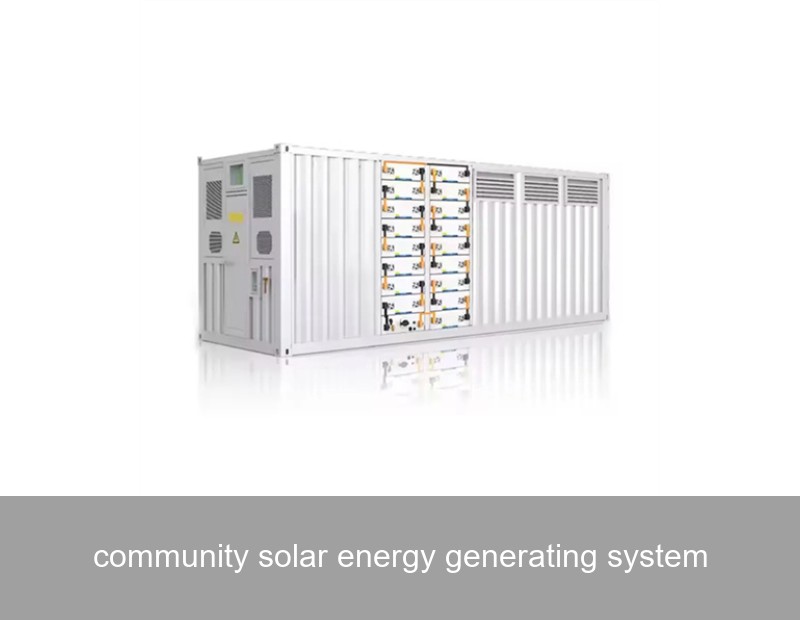
Imagine having access to clean, affordable solar power without installing a single panel on your roof. This isn't a future fantasy; it's the reality being created by the community solar energy generating system. For renters, homeowners with shaded roofs, or businesses with limited space, this model is revolutionizing access to renewable energy. In this article, we'll demystify how these systems work, explore their tangible benefits with real data, and highlight the technology that makes them reliable—including the advanced storage solutions from leaders like Highjoule.
What is a Community Solar Energy Generating System?
At its heart, a community solar energy generating system—sometimes called a solar garden or shared solar—is a mid-to-large-scale solar photovoltaic (PV) array whose generated electricity is shared by multiple subscribers. Think of it like a community garden, but for sunshine. A local solar farm is built at an optimal, sunny location, and individuals or businesses can "subscribe" to a portion of its power output. The electricity it generates flows into the local grid, and subscribers receive credits on their utility bills for their share, directly reducing their energy costs.
The Power Problem: Why Traditional Solar Isn't for Everyone
The promise of solar energy is compelling, but the on-site installation model faces significant hurdles. Let's look at the data:
- Physical Barriers: An estimated 50% of residential rooftops are unsuitable for solar due to shading, orientation, or structural issues.
- Financial Hurdles: The upfront cost of a residential PV system can be prohibitive, despite long-term savings.
- Logistical Challenges: Renters and condo owners typically cannot make alterations to their buildings to install panels.
This is where the community model shines. It democratizes solar access, turning these barriers into opportunities for collective action and benefit.
How a Community Solar Energy System Actually Works
The process is elegantly simple and facilitated through your existing utility connection.
- Development: A developer identifies a suitable site (e.g., a brownfield, warehouse roof, or open land) and constructs a solar array, typically ranging from 500 kW to 5 MW in capacity.
- Subscription: You sign up for a "share" of the array's output, often equivalent to a portion of your annual electricity usage.
- Generation & Credit: The solar farm generates power, feeding it into the local grid. Your utility company tracks this contribution and applies a credit (known as virtual net metering or bill credits) to your monthly bill.
- Savings: You pay for the solar credits at a discounted rate compared to your standard utility rate, resulting in immediate savings—typically between 5-15% on your electricity costs.

Image Source: Unsplash - A typical community solar farm installation.
Benefits Unlocked: More Than Just Savings
The advantages of participating in a community solar energy generating system extend well beyond your wallet.
| Benefit | Description |
|---|---|
| No Upfront Cost | Most programs require no installation or equipment purchase, just a subscription. |
| Immediate Bill Savings | See reduced electricity costs from day one of your subscription. |
| Grid Resilience | Distributed generation sources like community solar strengthen the local grid's reliability. |
| Environmental Impact | Directly displace fossil-fuel-generated electricity, reducing your carbon footprint. |
| Energy Equity | Makes renewable energy accessible to low-to-moderate income households and diverse communities. |
Real-World Impact: A Case Study from Minnesota, USA
Let's move from theory to practice. Minnesota has been a pioneer in community solar in the United States. One standout example is the “Shiloh Temple” community solar garden in Minneapolis, developed in partnership with a local church and a solar developer.
- Scale: A 492 kW system installed on 2.5 acres of previously underutilized land.
- Subscribers: Over 120 subscribers, including the church itself, nearby households, and local businesses.
- Annual Output: Approximately 650,000 kWh of clean electricity annually—enough to power about 70 average homes.
- Savings & Impact: Subscribers save an estimated 10% on their electricity costs. The project also provides a stable revenue stream for the church, funding community programs. Crucially, a portion of subscriptions were reserved for low-income households, directly addressing energy equity. (Source: NREL)
This case shows the multifaceted win: individual savings, community institution support, and inclusive access.
The Critical Role of Advanced Energy Storage
Solar generation is intermittent—it peaks during the day. A community solar energy generating system reaches its full potential when paired with intelligent energy storage. This is where companies like Highjoule become pivotal. Storage solves two key challenges:
- Maximizing Self-Consumption: Store excess solar energy generated at midday and dispatch it during the evening peak demand, increasing the project's value and grid stability.
- Enhancing Reliability: Provide backup power capabilities for critical community facilities during grid outages.
Highjoule, a global leader in advanced energy storage systems since 2005, provides the technological backbone for such optimized projects. Our H-Series commercial battery energy storage systems (BESS) are designed for resilience and intelligence. For a community solar developer, integrating a Highjoule BESS means:
- Gaining advanced energy management software to optimize when to store and when to dispatch solar power.
- Utilizing high-cycle life, safe lithium iron phosphate (LFP) battery chemistry for long-term durability.
- Ensuring system safety and performance with integrated monitoring and control, crucial for community-scale projects where reliability is non-negotiable.
By coupling community solar with a Highjoule storage system, developers can offer a more consistent, valuable, and resilient clean energy product to their subscribers.

Image Source: Unsplash - A modern battery storage installation.
How to Get Started with a Community Solar Project
Interested? Here's a quick roadmap:
- Check Availability: Visit your local utility's website or use resources like the U.S. Department of Energy's community solar page to find projects in your area. In Europe, check with local energy cooperatives or municipal utilities.
- Evaluate Offers: Compare subscription terms, savings estimates, contract length, and fees. Look for projects that prioritize local benefits.
- For Developers & Communities: If you're looking to build a community solar project, partnering with experienced technology providers is key. Highjoule's team works with project developers to design integrated solar-plus-storage solutions that maximize ROI, ensure safety, and provide long-term performance for microgrid and community-scale applications.
The transition to renewable energy must be inclusive to be truly successful. Community solar energy generating systems represent a powerful step toward that goal, turning the sun's energy into a shared community asset. With the added intelligence of modern storage from providers like Highjoule, these projects are not just about generation—they're about creating smarter, more resilient local energy networks.
Is there a piece of land, a community building, or a local business in your area that could become the hub for a shared energy future? What's the first question you would ask your utility about joining a community solar program?
 Inquiry
 Online Chat