


Powering the Digital Highway: The Critical Role of Energy Storage in Telecom Roadside Cabinets
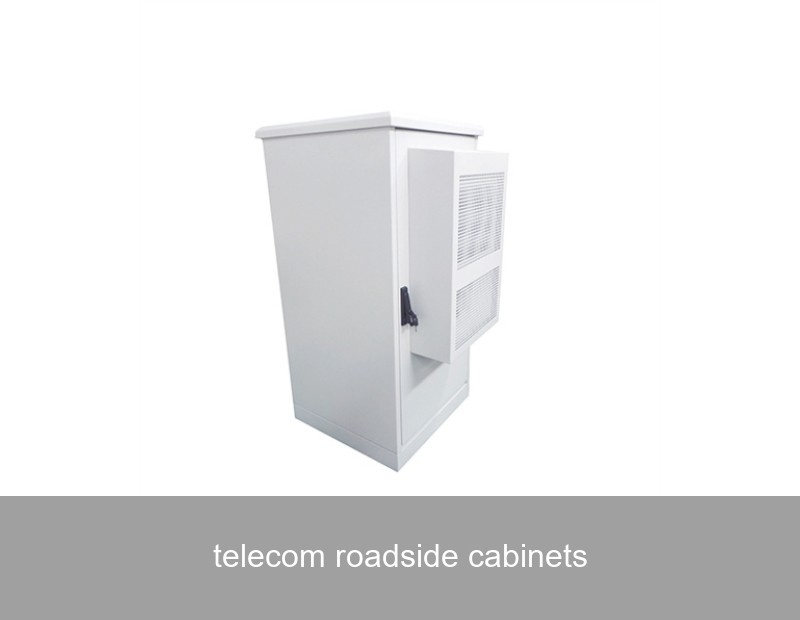
As you drive through any town or along any major road, you probably don't give a second thought to the nondescript metal cabinets standing at the roadside. But these telecom roadside cabinets are the unsung heroes of our connected world, housing the critical equipment that keeps our mobile networks, broadband, and emergency services running 24/7. However, a silent challenge is growing at the edge of the network: ensuring these remote, power-hungry nodes have a reliable, clean, and cost-effective energy supply. This is where advanced energy storage systems are stepping in, transforming a potential vulnerability into a pillar of resilience and sustainability.
Table of Contents
- The Problem at the Edge: Unreliable Grids and Rising Costs
- The Data: Energy Demands of a 5G & IoT Future
- The Solution: Intelligent Battery Energy Storage Systems (BESS)
- Highjoule's Tailored Approach for Telecom Infrastructure
- Case Study: Enhancing Grid Independence in European Rural Networks
- Practical Steps for Implementation
- The Road Ahead: Smarter, Greener Networks
The Problem at the Edge: Unreliable Grids and Rising Costs
Telecom roadside cabinets were traditionally designed for lower power demands. Today, they are evolving into mini data centers, packed with equipment for 5G small cells, fiber optic nodes, and IoT aggregation points. This evolution brings two major pain points:
- Grid Dependency and Outages: Many cabinets, especially in rural or suburban areas, are on the fringes of the electricity grid. A short power dip or outage can immediately disrupt service for thousands of users and businesses. In the U.S. alone, weather-related grid outages are a persistent and costly issue for network operators.
- Soaring Energy Costs and Carbon Goals: Network energy consumption is a top operational expense (OPEX) item for telecoms. Furthermore, with stringent ESG (Environmental, Social, and Governance) targets in Europe and North America, relying solely on fossil-fuel-based backup generators is no longer a viable or socially responsible long-term strategy.

a storm knocks out power in a county. While homes go dark, the telecom cabinet keeping emergency services and remote workers online also switches to its backup system. If that backup is a diesel generator, it will soon run out of fuel, emit pollutants, and require costly refueling missions. There has to be a better way.
The Data: Energy Demands of a 5G & IoT Future
Let's look at the numbers. Studies indicate that 5G networks can be up to 90% more energy-efficient per traffic unit than their 4G predecessors. However, the total network energy consumption is projected to rise significantly due to the massive increase in the number of nodes (like cabinets and small cells) and data traffic. A single advanced cabinet supporting 5G can see its power needs jump from under 1 kW to 3-5 kW or more. Multiply this by tens of thousands of cabinets, and the scale of the energy challenge becomes clear.
| Cabinet Type | Primary Function | Typical Power Demand | Backup Duration Need |
|---|---|---|---|
| Traditional DSL/Broadband Cabinet | Copper line aggregation, basic switching | 0.5 - 1.5 kW | 4-8 hours |
| Next-Gen 5G/Fiber Hub Cabinet | Small cell radio, fiber optic termination, edge computing | 3.0 - 6.0 kW | 3-6+ hours (or grid independence) |
The Solution: Intelligent Battery Energy Storage Systems (BESS)
The answer lies in modernizing the power architecture of the cabinet itself. Integrating a smart Battery Energy Storage System (BESS) transforms a passive power consumer into an active energy management node. Here’s how it works:
- Seamless Backup: During a grid failure, the BESS provides instantaneous, silent backup power, ensuring zero service interruption.
- Peak Shaving & Cost Optimization: In regions with time-of-use electricity tariffs, the system can intelligently draw power from the grid during off-peak, low-cost hours to charge the batteries. It then uses stored energy during expensive peak periods, slashing electricity bills.
- Renewable Integration: For cabinets equipped with solar panels (a growing trend), the BESS stores excess solar energy generated during the day for use at night or during cloudy periods, maximizing green energy use and further reducing grid dependence.
- Grid Services Potential: In the future, aggregated networks of these storage-equipped cabinets could even provide valuable grid stabilization services, creating a new revenue stream for telecom operators.
Highjoule's Tailored Approach for Telecom Infrastructure
At Highjoule, with nearly two decades of experience in advanced energy storage, we understand that telecom roadside cabinets are not just smaller versions of industrial sites. They present unique engineering challenges: extreme temperature variations, limited space, remote monitoring needs, and a requirement for maintenance-free, long-life solutions.
That's why we developed our Highjoule EdgeBESS™ Cabinet Series. These are not off-the-shelf batteries; they are integrated power resilience platforms designed specifically for harsh, outdoor telecom environments.
- Compact & Rugged Design: Our systems use high-density Lithium Iron Phosphate (LFP) battery chemistry, known for its safety, long cycle life (10,000+ cycles), and excellent performance across a wide temperature range. The enclosure is rated for extreme weather (IP55 or higher).
- Intelligent Energy Management System (EMS): The brain of the unit. Our proprietary EMS allows for remote monitoring and control via a cloud dashboard. You can set backup priorities, configure peak shaving schedules, view state-of-charge in real-time, and receive predictive maintenance alerts.
- Seamless Hybrid Integration: The EdgeBESS is designed to work in tandem with existing or new AC grid connections, diesel generators (acting as a "generator starter" to reduce runtime and fuel use), and on-site solar PV. It creates a truly hybrid, optimized power system.

For a major telecom operator, this means being able to manage the energy profile of thousands of edge sites from a single pane of glass, reducing truck rolls (service visits) by up to 70% for power-related issues and cutting site energy costs by 20-40% annually.
Case Study: Enhancing Grid Independence in European Rural Networks
Let's examine a real-world application. A leading European telecom operator faced frequent, short-duration grid fluctuations in its rural broadband cabinet network, causing service drops and customer complaints. Diesel generators were not cost-effective for these brief, frequent outages.
The Solution Deployed: Highjoule partnered with the operator to pilot our EdgeBESS-5kW units across 50 critical roadside cabinets in Northern Europe. Each unit was integrated with the existing AC power feed and, where feasible, a small rooftop solar panel.
The Results (after 12 months):
- 100% Uptime: Zero service interruptions recorded due to grid dips or outages at the pilot sites.
- Fuel Savings: A 95% reduction in diesel generator runtime at hybrid sites, with the BESS handling short outages and the generator only engaging for extreme events.
- OPEX Reduction: A 28% reduction in net energy costs per site, achieved through solar self-consumption and peak shaving algorithms.
- Carbon Impact: An estimated 8.5 tonnes of CO2 saved across the pilot fleet annually.
This case demonstrates that the investment in smart storage pays dividends not just in resilience, but in direct operational savings and sustainability progress.
Practical Steps for Implementation
Upgrading a network of cabinets is a significant undertaking. A phased, strategic approach is key:
- Energy Audit & Site Prioritization: Use smart meters to gather energy usage and grid reliability data from your cabinets. Prioritize sites in areas with poor grid reliability, high energy costs, or strategic importance.
- Pilot a Scalable Solution: Start with a pilot of 10-50 sites. Choose a technology partner, like Highjoule, that offers a scalable, standardized product with robust remote management. Test the system across different geographies and use cases.
- Integrate with Network Management: Ensure the BESS monitoring platform can integrate with your existing Network Operations Center (NOC) systems for a unified view of both network and power health.
- Plan for Lifecycle & Sustainability: Partner with a provider that offers a clear battery lifecycle management plan, including end-of-life takeback and recycling, ensuring your sustainability goals are met from deployment to decommissioning.
The Road Ahead: Smarter, Greener Networks
The integration of energy storage into telecom roadside cabinets is more than a technical upgrade; it's a strategic evolution. It aligns with global trends toward decentralized energy, grid digitization, and corporate net-zero commitments. As the Internet of Things (IoT) expands and grid modernization efforts continue, these distributed storage assets will increase in value.

We are moving towards a future where every telecom cabinet is not just a node for data, but also a node for energy intelligence—contributing to a more resilient and sustainable digital infrastructure for everyone.
Is your network's edge power strategy ready to support the demands of tomorrow, or is it a hidden risk waiting to be addressed? What would achieving 99.99% power availability at your most remote cabinet sites do for your customer satisfaction and operational bottom line?
 Inquiry
 Online Chat