


Complete Solar Philippines: Your Guide to Energy Independence in the Archipelago
Imagine a typical afternoon in the Philippines. The sun is intense, your solar panels are producing at their peak, but you're at work or the grid is down due to a passing storm. Where does all that clean energy go? This common scenario highlights a critical gap in many solar installations: they are often incomplete. For homes and businesses across the Philippines, from Metro Manila to the Visayas, achieving true energy resilience requires more than just panels on the roof. It demands a complete solar Philippines solution—an integrated system that captures, stores, and intelligently manages solar energy to provide reliable power 24/7. Let's explore how this holistic approach is transforming energy security in the archipelago.
The Philippines' Energy Challenge: High Costs and Unreliable Supply
The Philippines faces a unique energy landscape. It has some of the highest electricity rates in Southeast Asia, heavily reliant on imported fossil fuels. Coupled with the vulnerability of its island-based grid to typhoons and natural disasters, power outages and volatile bills are a frequent concern for businesses and homeowners alike. The Department of Energy has been actively promoting renewable energy to address these issues, with solar at the forefront. However, simply installing photovoltaic (PV) panels only solves part of the problem. Without a way to store the energy generated during the day, a significant portion is wasted, and you remain vulnerable when the grid fails or the sun sets.

Image: Solar installations in tropical climates must be robust and paired with storage for resilience. Source: Unsplash
What is a "Complete Solar" System?
A complete solar system, often called a solar-plus-storage system, is a seamlessly integrated power solution. Think of it as a self-sufficient energy ecosystem for your property. It has three core, intelligent components working in concert:
- Solar Panels (Generation): Capture sunlight and convert it to direct current (DC) electricity.
- Battery Energy Storage System (BESS - Storage): The heart of energy independence. It stores excess solar energy produced during the day for use at night, during outages, or during peak rate hours.
- Hybrid Inverter & Energy Management System (The Brain): This intelligent device manages the flow of energy between the panels, batteries, your home/business, and the grid. It prioritizes solar consumption, controls charging/discharging, and ensures system safety and efficiency.
This integration is what differentiates a true complete solar Philippines setup from a basic grid-tie system. It turns solar from a supplemental power source into your primary, controllable energy asset.
Beyond Panels: The Critical Role of Storage
Why is storage non-negotiable for a reliable Philippine solar solution? The data tells a clear story. According to a report by the International Energy Agency (IEA), coupling solar PV with storage can increase the share of self-consumed solar electricity from 30-50% to over 70-90%. For the Philippine context, this means:
| Challenge | Basic Solar (No Storage) | Complete Solar (With Storage) |
|---|---|---|
| Evening/Night Power | Relies on expensive grid power. | Powered by stored, free solar energy. |
| Grid Outage (Brownout) | System shuts down for safety. No power. | Seamless switch to battery backup. Power stays on. |
| Peak Hour Charges | Pays high utility rates during peak demand. | Uses stored energy, avoiding peak tariffs. |
| Solar Energy Waste | Excess midday energy is exported to grid at low feed-in rates. | Excess energy is stored for later, high-value use. |
Case Study: A Luzon Commercial Farm's Transformation
Consider "GreenHarvest," a 50-hectare mango and poultry farm in Central Luzon. Facing monthly electricity bills exceeding ₱400,000 and disruptive outages affecting refrigeration and operations, they sought a real solution. In 2023, they installed a complete solar Philippines system featuring a 250kW solar array coupled with a 500kWh containerized battery storage unit.
The Results (12 Months Post-Installation):
- Energy Bill Reduction: Reduced grid dependency by 85%, slashing monthly costs to an average of ₱60,000.
- ROI Timeline: Projected payback period of 4.2 years due to high offset rates and avoided losses.
- Reliability: Zero operational downtime during 12 recorded grid outages, protecting perishable goods and livestock.
- Sustainability: Achieved 70% renewable energy self-sufficiency, aligning with ESG goals.
This case underscores that for commercial and industrial entities in the Philippines, storage isn't an add-on; it's the cornerstone of financial and operational resilience.
Highjoule's Complete Solar Solution for the Philippines
As a global leader in advanced energy storage since 2005, Highjoule understands that a one-size-fits-all approach doesn't work for the diverse needs of the Philippine market. Our complete solar Philippines offerings are engineered for tropical climates, grid volatility, and long-term value.
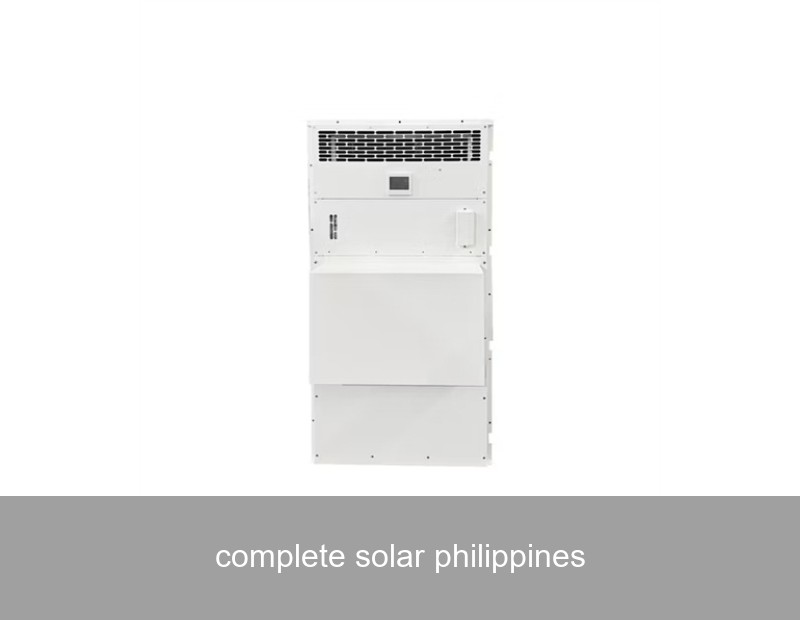
Our integrated systems are built around our core product: the Highjoule HPS Series Hybrid Power Station. This all-in-one unit combines a high-efficiency hybrid inverter, a scalable lithium iron phosphate (LiFePO4) battery bank, and advanced management software in a single, compact enclosure. For the Philippine environment, key features include:
- High-Temperature Resilience: Designed to operate efficiently in the constant heat and humidity, ensuring long battery life and performance.
- Grid-Assist & Off-Grid Capabilities: Intelligently blends solar, battery, and grid power to maximize savings, and can operate independently during extended blackouts.
- Scalability: From our HPS-10 for large residential homes to the multi-MW HPS-C for industrial and microgrid applications, systems can grow with your energy needs.
- Remote Monitoring & Management: Our proprietary Highjoule Energy OS platform allows users and our partners to monitor performance, adjust settings, and diagnose issues remotely—a crucial feature for installations across the islands.
We work closely with a network of certified Philippine partners, providing them with the technology, training, and design support to deliver turnkey solutions that are reliable, safe, and certified to local standards.

Image: Modern, integrated energy storage systems like Highjoule's HPS series enable smart energy management. Source: Unsplash
Choosing the Right Technology Partner for Your Journey
Investing in a complete solar Philippines system is a significant decision. The technology's sophistication means the choice of provider is as important as the hardware itself. Look for partners who offer:
- Proven Storage Expertise: Prioritize companies with a core competency in battery system design, not just panel installation.
- Quality & Safety Certifications: Ensure equipment carries international certifications (UL, IEC) and is installed according to the Philippine Electrical Code.
- Local Support & Warranty: A strong local presence for maintenance and a comprehensive, long-term warranty on both products and performance are essential.
- Holistic Design: They should conduct a thorough energy audit and design a system tailored to your specific load profile, outage history, and future needs.
For further reading on the global shift towards solar-plus-storage, you can refer to this insightful analysis from BloombergNEF.
As the sun sets over the Philippine islands, will your business or home revert to expensive, unstable grid power, or will it seamlessly transition to its own clean, stored energy reserve? What would achieving 90% energy independence do for your monthly budget and peace of mind?
 Inquiry
 Online Chat