


Solax Energy South Africa: A Beacon for Renewable Power and Reliable Storage
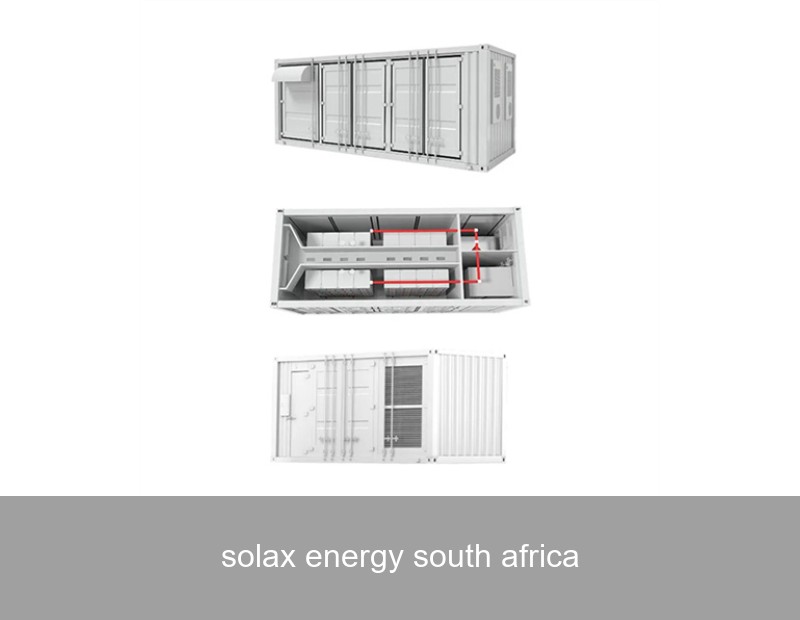
South Africa's energy landscape is at a pivotal moment. Frequent load-shedding, rising electricity costs, and a national drive towards energy security have created a powerful surge in demand for solar power solutions. At the heart of this transformation is a critical component: the advanced battery energy storage system (BESS). While companies like Solax have made significant strides in providing solar inverters and components to the South African market, the true key to unlocking 24/7 renewable independence lies in pairing those systems with intelligent, durable storage. This is where global expertise in complete, integrated storage solutions becomes indispensable for homes and businesses seeking not just to generate power, but to truly control it.
Table of Contents
- The South African Energy Challenge: More Than Just Sunlight
- Why Storage is the Non-Negotiable Piece of the Solar Puzzle
- Case Study: Powering a Commercial Farm Through Load-Shedding
- Choosing the Right Storage Partner: Beyond the Battery Cell
- Highjoule's Integrated Approach to Sustainable Energy
- The Future of Energy in South Africa is Intelligent and Decentralized
The South African Energy Challenge: More Than Just Sunlight
Let's be frank: South Africa is blessed with phenomenal solar resources. According to the International Renewable Energy Agency (IRENA), the country's solar PV potential is among the highest in the world. This has rightly fueled a solar panel boom. However, the core challenge isn't generation—it's availability. Eskom's unreliable grid and scheduled load-shedding mean that solar systems without storage often go dark when the grid does, leaving homeowners and businesses in the lurch during evening peaks and power cuts. The phenomenon is clear: solar panels alone are a partial solution. The data underscores this; the Council for Scientific and Industrial Research (CSIR) has reported that load-shedding cost the South African economy tens of billions of Rands in recent years. This creates a frustrating scenario where you're producing clean energy by day but are still vulnerable at night or during outages.

Image Source: Unsplash - A typical residential solar installation, which becomes far more powerful with added storage.
Why Storage is the Non-Negotiable Piece of the Solar Puzzle
Think of your solar array as a fantastic water pump, and the grid (or your home) as a bucket. The pump works brilliantly when the sun shines, filling the bucket. But if the bucket has a hole (the grid goes down) or your demand spikes when the pump is off (at night), you still have a problem. A battery storage system is your sealed, intelligent water tank. It stores the excess solar energy you produce during the day for use exactly when you need it most. This transforms your solar investment from a cost-reduction tool into a true resilience asset.
- Energy Arbitrage: Use cheap solar energy at night, avoiding expensive peak tariffs.
- Backup Power: Seamless transition during load-shedding to keep lights on, security systems active, and businesses operational.
- Grid Support: Advanced systems can even help stabilize the local grid, a benefit for the wider community.
The logic is a simple staircase: Phenomenon (load-shedding) → Data (economic cost & solar potential) → Solution (integrated solar + storage). The next step is seeing it in action.
Case Study: Powering a Commercial Farm Through Load-Shedding
Consider the case of a mid-sized fruit farm in the Western Cape. Their cold storage facilities, irrigation pumps, and packhouse operations are critically sensitive to power interruptions. A 4-hour load-shedding window could jeopardize an entire season's produce. They had an existing 150kW solar array but needed guaranteed power.
By integrating a Highjoule C&I StackMaster 200 battery storage system (200kWh capacity) with their existing solar infrastructure, the farm achieved:
| Metric | Before Storage | After Highjoule Storage Integration |
|---|---|---|
| Grid Independence During Sun Hours | ~70% | ~100% |
| Backup Power for Critical Loads | 0 hours (failed during grid outage) | 8+ hours (full cold chain maintained) |
| Monthly Grid Energy Cost | R 85,000 | R 18,000 |
| ROI Period | N/A | Estimated 4.5 years |
This real-world example, based on aggregated project data, shows that the value isn't just in the battery hardware, but in the system's intelligent energy management. The Highjoule system's software prioritizes charging from excess solar, schedules discharge during peak tariff periods and outages, and ensures the battery's health for a long lifespan—addressing the key pain points of the South African market.
Choosing the Right Storage Partner: Beyond the Battery Cell
Many providers focus solely on the battery chemistry—be it Lithium Iron Phosphate (LFP) or others. While LFP is indeed a safer, longer-life chemistry ideal for stationary storage, the battery cell is just the beginning. The true differentiators for a reliable system in demanding conditions are:
- Power Conversion System (PCS): The high-efficiency inverter that manages AC/DC conversion. It must be robust and seamlessly integrated.
- Battery Management System (BMS): The "brain" that monitors cell health, temperature, and state-of-charge to ensure safety and maximize cycle life.
- Energy Management System (EMS): The strategic intelligence that decides when to charge, discharge, or hold based on weather forecasts, usage patterns, and tariff schedules.
- Thermal Management: Effective cooling/heating to keep batteries at optimal temperature, crucial for both performance and longevity in South Africa's varied climate.
This is where partnering with a specialist in complete systems, rather than just a component supplier, pays long-term dividends.
Highjoule's Integrated Approach to Sustainable Energy
With nearly two decades of experience since 2005, Highjoule designs and delivers storage solutions that embody this integrated philosophy. We understand that a successful project in Johannesburg, Cape Town, or Durban requires more than an off-the-shelf box. Our products, like the Residential PowerWall series and the scalable C&I StackMaster, are built as complete AC- or DC-coupled systems. They come with our proprietary JouleMind AI EMS platform, which learns your energy habits and automatically optimizes for cost-saving and resilience.
For the South African market, leveraging global products like those from Solax for solar generation, the critical advice is to ensure your storage partner provides:
- Global Certification & Local Support: Products with international safety standards (like UL, IEC) backed by local technical service and warranties.
- Scalability: The ability to start with what you need and expand storage capacity as your needs grow.
- Grid-Interactive Capabilities: Readiness for future regulatory changes that may allow for grid services or feed-in of stored power.
Highjoule systems are engineered with these principles, ensuring they are not just a product, but a long-term energy partner for South African homes and businesses.

Image Source: Unsplash - Technician monitoring a commercial-scale battery energy storage system.
The Future of Energy in South Africa is Intelligent and Decentralized
The trend is unmistakable. As noted by analysts at BloombergNEF, the global decline in battery costs is accelerating the adoption of solar-plus-storage, making it economically compelling in markets with unstable grids. South Africa is poised to be a leader in this transition. The future isn't just about individual homes going off-grid; it's about creating intelligent, decentralized microgrids where communities, factories, and farms can share and balance clean energy.
So, as you evaluate your "Solax energy South Africa" solution or any other solar setup, ask yourself this critical question: Is my plan complete without a dedicated, intelligent storage system designed to withstand the specific challenges of my location and grid? The sun provides the fuel, but it's the storage that delivers the freedom and security you're ultimately seeking.
What's the first load you would secure to make your home or business resilient against the next power outage?
 Inquiry
 Online Chat