


Conserving Electricity in the Home: A Smart Guide to Savings and Sustainability
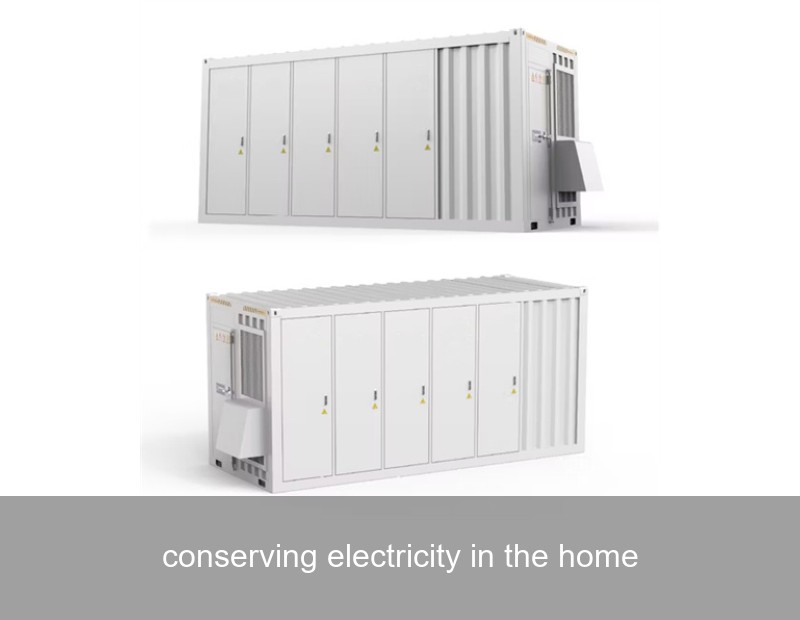
Let's face it: opening your monthly electricity bill can sometimes feel like a leap of faith. Will it be a pleasant surprise or a minor heart attack? With energy prices in Europe and the U.S. experiencing significant volatility, the concept of conserving electricity in the home has shifted from a niche eco-friendly practice to a mainstream financial necessity. But true conservation isn't just about turning off lights (though that helps!). It's about a smarter, more integrated approach to how we generate, store, and consume power. This is where modern technology transforms a chore into an intelligent strategy for resilience and savings.
Table of Contents
- The Hidden Cost of "Always-On"
- Moving Beyond the Basics: The Data on Home Energy Hogs
- A Real-World Case Study: The Smith Family's Journey to Energy Independence
- The Intelligent Core: How Smart Home Energy Management Works
- Highjoule's Integrated Solutions for Modern Home Energy Conservation
- What Does the Truly Efficient Home of the Future Look Like?
The Hidden Cost of "Always-On"
We live in an age of convenience. Our homes are filled with devices that sip or gulp power 24/7—from Wi-Fi routers and game consoles to HVAC systems and that second refrigerator in the garage. The phenomenon is often called "phantom load" or "vampire power," and while each device might only draw a small amount, the collective impact is staggering. The U.S. Department of Energy estimates that always-on electronics can account for 5-10% of residential energy use. That's hundreds of dollars a year, essentially paying for the privilege of a standby light.
This constant draw is just the tip of the iceberg. The real challenge is the mismatch between when we use energy and when it's cheapest (or greenest). We crank up the heat during evening peaks when grid demand and prices are highest, and our solar panels produce the most power in the middle of the day when we're often not home to use it. Conserving electricity, therefore, becomes a two-part mission: reducing overall consumption and intelligently shifting consumption.
Moving Beyond the Basics: The Data on Home Energy Hogs
Sure, LED bulbs are a great start. But to make a serious dent, we need to look at the big consumers. Typically, heating and cooling (HVAC) systems dominate home energy use, followed by water heating, appliances, and lighting.
| Home System | Approximate % of Energy Use* | Key Conservation Strategy |
|---|---|---|
| Space Heating & Cooling | 40-50% | Smart thermostats, improved insulation, heat pumps |
| Water Heating | 12-18% | Low-flow fixtures, heat pump water heaters, timer controls |
| Appliances (Refrigerator, Washer/Dryer) | 15-20% | Energy Star models, off-peak usage, efficient use cycles |
| Lighting & Electronics | 8-15% | LEDs, advanced power strips, conscious unplugging |
*Source: Compiled from U.S. EIA and European Commission data on typical household consumption.
The insight here is clear: to conserve electricity meaningfully, you must target heating, cooling, and major appliances. But how do you do this without sacrificing comfort? The answer lies in integration and automation.

Image: A smart home energy management interface. Source: Unsplash
A Real-World Case Study: The Smith Family's Journey to Energy Independence
Let's look at a concrete example. The Smith family (name changed for privacy) in Frankfurt, Germany, was frustrated by rising grid tariffs and wanted to reduce their carbon footprint. In 2022, they installed a 8 kW rooftop solar PV system. Initially, they were exporting over 60% of their solar generation back to the grid during the day for a modest feed-in tariff, only to buy expensive power back in the evening.
Their conservation strategy took a giant leap forward in 2023 when they integrated a Highjoule HomePower 10 battery storage system. This 10 kWh lithium-ion battery, coupled with Highjoule's Energy Hub smart controller, changed everything. The system now stores their excess solar energy instead of exporting it. The Energy Hub's AI-driven software learns their usage patterns and automatically powers the home from the battery during peak evening hours, minimizing grid draw.
- Grid Electricity Consumption Reduced by 78%: They went from consuming 6,500 kWh annually from the grid to just 1,430 kWh.
- Self-Consumption of Solar Power Increased from 40% to 92%: They now use almost all the clean energy they produce.
- Annual Electricity Bill Savings of €1,850: Even accounting for the system investment, their payback period is on track to be under 7 years, with decades of low-cost operation ahead.
- Enhanced Resilience: During two short grid outages, their Highjoule system seamlessly provided backup power to essential circuits, a feature they hadn't fully appreciated until they needed it.
The Smith family's story illustrates that modern conservation is about optimization, not deprivation.
The Intelligent Core: How Smart Home Energy Management Works
The magic behind systems like the Smiths' isn't just the hardware; it's the brain. A smart home energy management system (HEMS) acts as the central nervous system for your home's power. Here's how it functions:
- Monitoring: It collects real-time data from your solar panels, battery, grid connection, and major appliances (via smart plugs or circuits).
- Analysis & Prediction: Using weather forecasts and historical usage data, it predicts solar generation and household demand for the next 24-48 hours.
- Automated Decision-Making: It makes thousands of micro-decisions: "Should I charge the battery now or directly power the house?" "Is it cheaper to run the dishwasher at 2 PM on solar or at 10 PM on battery?"
- Control: It can communicate with compatible smart appliances (EV chargers, heat pumps, pool pumps) to schedule their operation for optimal times.
This transforms your home from a passive consumer into an active, intelligent participant in the energy ecosystem. According to a 2023 study by the National Renewable Energy Lab (NREL), smart controls and battery storage can increase the value of solar PV by 20-40% by maximizing self-use and grid services.
Highjoule's Integrated Solutions for Modern Home Energy Conservation
At Highjoule, we've spent nearly two decades perfecting this integrated approach. Our philosophy is that conservation is most effective when it's holistic, automated, and user-centric. Our residential product suite is designed to work seamlessly together:
- Highjoule HomePower Battery Series: Scalable, high-cycle life lithium iron phosphate (LFP) battery systems (from 5 kWh to 30+ kWh) known for their safety and longevity. They are the reliable reservoir for your self-generated power.
- Highjoule Energy Hub: The proprietary intelligence unit. This device doesn't just manage energy flow; it connects to our cloud platform for continuous optimization updates, remote monitoring via a user-friendly app, and even potential participation in grid-balancing programs (where available).
- Highjoule Smart Integrator: This component ensures seamless compatibility with a wide range of existing and new solar inverters, EV chargers, and home generators, protecting your past investments while enabling future upgrades.
Our systems are designed for the diverse needs of the European and North American markets, complying with strict local safety and grid-interconnection standards. For us, conserving electricity means empowering homeowners to take control, achieve resilience, and make a tangible environmental impact without thinking about it every day.

Image: A sleek, modern home battery storage unit installed in a residential garage. Source: Unsplash
What Does the Truly Efficient Home of the Future Look Like?
We're moving towards a future where the home is a self-optimizing microgrid. It will generate its own renewable power, store it intelligently, and coordinate the charging of your electric vehicle with the running of your heat pump and appliances—all while providing valuable stability to the wider community grid. The goal isn't just to conserve electricity but to create a home that is net-positive, producing more clean energy than it consumes over a year.
This vision is closer than you think. The technology exists today. The question is no longer "Can I afford to invest in this?" but rather, with rising energy costs and increasing climate urgency, "Can I afford not to start this journey?"
What is the first energy-hungry appliance in your home you would task a smart energy system to manage, and why?
 Inquiry
 Online Chat