


Construccion con Containers: Building a Sustainable Future with Repurposed Steel
The world of construction is undergoing a radical, and surprisingly boxy, transformation. Construccion con containers—the art and science of building with repurposed shipping containers—is surging in popularity from California to Copenhagen. But as this innovative approach reshapes skylines and communities, a critical question emerges for architects, developers, and homeowners alike: how do we power these modern steel structures sustainably and reliably? The answer lies not just in the container shell, but in the intelligent energy systems within.
Table of Contents
- The Rise of Container Architecture: More Than a Trend
- The Hidden Power Problem in Container Construction
- Data: The Energy Intensity of Modern Building Materials
- Case Study: A Net-Zero Container Community in Rotterdam
- The Solution: Integrating Smart Energy Storage from the Ground Up
- How Highjoule Powers the Container Building Revolution
- The Future is Modular: Energy and Architecture in Sync
The Rise of Container Architecture: More Than a Trend
What started as a niche, cost-effective solution has blossomed into a global architectural movement. Construccion con containers offers compelling advantages: reduced construction timelines, inherent structural strength, modularity for easy expansion, and a significant reduction in raw material use by giving steel boxes a second life. We're seeing everything from sleek, single-family homes and trendy pop-up retail spaces to expansive, multi-story student housing complexes built from these modular units. The appeal is clear—it's a form of construction that speaks directly to our contemporary desire for sustainability, efficiency, and modern design.

Image Source: Unsplash - Example of modern multi-story container architecture.
The Hidden Power Problem in Container Construction
However, there's an electrifying elephant in the room. While reusing containers saves embodied carbon, the thermal and energy performance of a steel box presents unique challenges. Steel is an excellent conductor of heat, leading to potential temperature extremes inside without proper insulation and, more critically, a high demand for heating and cooling. This can lead to a paradox: a building with sustainable origins burdened by an inefficient, grid-dependent energy model. The true potential of construccion con containers is only unlocked when it is paired with a modern, resilient, and renewable-powered energy system.
Data: The Energy Intensity of Modern Building Materials
Consider this: the operational energy use of buildings accounts for nearly 30% of global final energy consumption. While container reuse saves the energy of producing new steel, the high thermal conductivity of steel can increase HVAC loads by 15-20% compared to well-insulated traditional wood or brick structures if not properly addressed. This makes the choice of how to power and climatize these buildings not just an afterthought, but a foundational design decision.
Case Study: A Net-Zero Container Community in Rotterdam
Let's look at a real-world example that nails the solution. The "Wikkelboat" community in Rotterdam, Netherlands, features residential units built from containers along the river. The project's goal was absolute energy independence and net-zero operational carbon.
- Challenge: High energy demand for heating in winter and cooling in summer due to the steel structure, with no access to the main gas grid.
- Solution: Each unit was fitted with a high-efficiency heat pump and a substantial rooftop solar PV array. The critical component? A scalable battery energy storage system (BESS) in each home.
- Data & Outcome: The integrated solar-plus-storage systems allow residents to store excess solar energy generated during the day. Real project data shows they achieve 85% grid independence year-round, using the grid only as a backup during prolonged cloudy periods in winter. The BESS smooths demand, protects the local grid, and turns each container home into a self-sustaining power plant.
This case proves that the sustainability narrative of container construction is completed only with smart energy storage.
The Solution: Integrating Smart Energy Storage from the Ground Up
The lesson from Rotterdam is universal. For construccion con containers to fulfill its green promise, energy storage must be part of the blueprint—literally. Here’s why:
- Maximizing Solar Investment: Container roofs are perfect for solar panels. Storage captures surplus energy for use at night, dramatically increasing self-consumption.
- Resilience & Reliability: Steel buildings can become ovens or freezers during grid outages. A battery backup system maintains critical loads, keeping occupants safe and comfortable.
- Grid Support & Stability: As container complexes scale to become neighborhoods, their aggregated battery systems can provide valuable grid services, preventing overload and supporting renewable integration.
| Construction Phase | Energy System Integration Step | Benefit |
|---|---|---|
| Design & Planning | Size solar PV array and battery storage based on thermal modeling and occupancy load. | Optimal system performance and cost-efficiency from day one. |
| Fabrication & Insulation | Pre-wire the container for DC-coupled solar and storage, and install conduit for system components. | Reduces on-site labor, ensures clean installation, and protects wiring. |
| On-Site Assembly & Commissioning | Install and connect the pre-configured storage system and inverters. | Fast, plug-and-play activation of the building's power system. |
How Highjoule Powers the Container Building Revolution
This is where Highjoule's expertise becomes pivotal. As a global leader in advanced energy storage since 2005, we provide the intelligent backbone that makes sustainable container buildings not just possible, but practical and profitable. Our solutions are designed for the modular, scalable nature of construccion con containers.
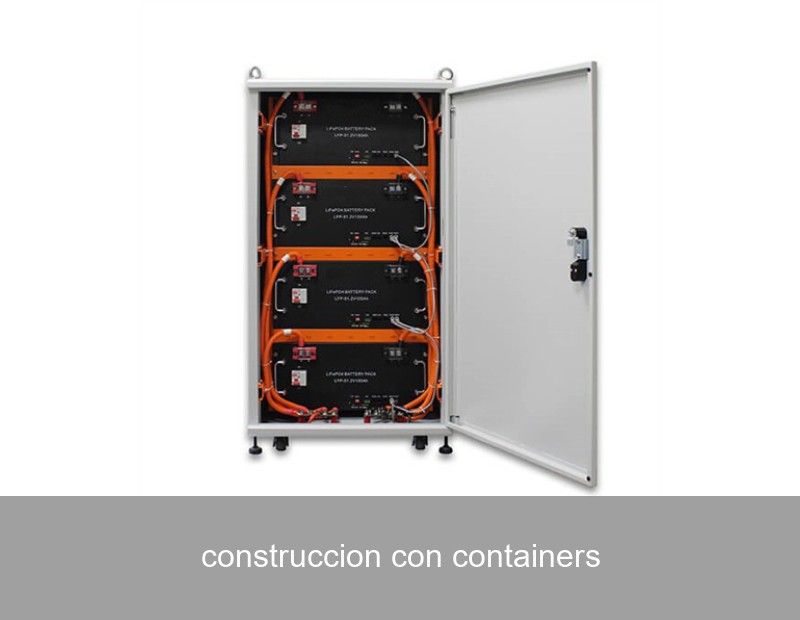
For residential and small commercial container projects, our Residential Energy Hub is a perfect fit. Its compact, all-in-one design integrates seamlessly with container electrical rooms, managing solar, grid, and backup power with military-grade safety. For larger container-based developments—like student housing, hotels, or microgrids—our Commercial & Industrial (C&I) storage systems offer modular, scalable power blocks. You can start with a single unit and expand the storage capacity as the building complex grows, mirroring the modular philosophy of the containers themselves.

Image Source: Unsplash - Technician installing a modern battery energy storage system.
Highjoule systems are built with advanced lithium iron phosphate (LFP) chemistry, known for its long life and superior safety—a non-negotiable in any building project. Our cloud-based energy management platform allows owners and operators to monitor performance, optimize for cost savings, and even participate in grid flexibility programs where available, turning an energy cost into a potential revenue stream.
The Future is Modular: Energy and Architecture in Sync
The synergy is clear. Construccion con containers represents a modular, agile, and resource-smart future for building. That future is inherently electric and renewable. But without storage, that renewable energy is intermittent. By integrating smart battery storage systems from companies like Highjoule directly into the design and construction process, we create true energy resilience. We transform these steel structures from passive consumers into active, intelligent nodes in a cleaner energy grid.
So, as you sketch your next container home, office, or community, ask yourself this: is your design merely reusing materials, or is it building a fully realized, independent, and sustainable future? What role will energy independence play in the value and resilience of your next modular project?
 Inquiry
 Online Chat