


Your Guide to the EasyPower Lithium Battery: Smarter, Sustainable Energy Storage
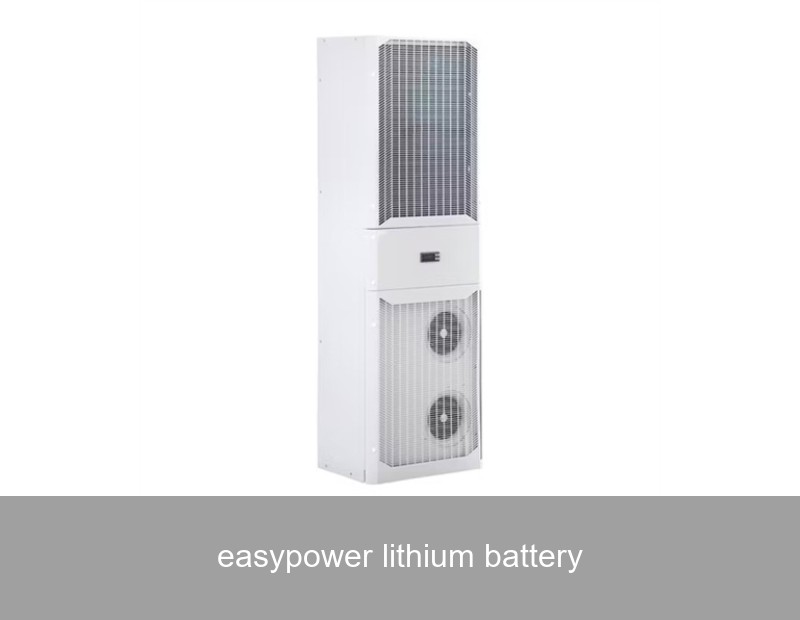
If you're a homeowner or business leader in Europe or the US, you've likely felt the pinch of rising electricity costs and heard the urgent call for energy independence. The quest for reliable, clean power often leads to one pivotal solution: advanced energy storage. At the heart of this revolution is a technology that's becoming a household name—the EasyPower lithium battery. But what makes this specific type of lithium battery the go-to choice for modern energy needs? Let's demystify it. In simple terms, an EasyPower lithium battery system isn't just a battery; it's an intelligent energy hub designed for seamless integration, long-lasting performance, and ultimate peace of mind. For nearly two decades, Highjoule has been at the forefront of this innovation, transforming how the world stores and uses electricity.
Table of Contents
What is an EasyPower Lithium Battery System?
Think of your traditional energy setup as a one-way street: power flows from the grid to your home or business. An EasyPower lithium battery system turns this into a smart, multi-lane highway. It's a comprehensive energy storage solution (ESS) built around high-performance lithium-ion (typically LiFePO4) battery cells, managed by sophisticated software that makes energy usage intuitive and efficient.
Unlike older lead-acid batteries, these systems are compact, lightweight, and incredibly adaptive. They work in harmony with solar panels, wind turbines, or the grid itself to:
- Store Excess Energy: Capture surplus solar power during the day for use at night.
- Provide Backup Power: Keep essential loads running during grid outages, almost instantaneously.
- Optimize Costs: Automatically use stored energy during peak tariff hours, slashing your electricity bills.
- Support the Grid: In some configurations, they can provide grid services, enhancing community resilience.
This isn't just a product; it's a dynamic energy asset. Highjoule's approach embeds this intelligence from the ground up. Our systems, like the Highjoule H-Series Commercial ESS or the integrated Residential PowerWall, are designed with the user in mind. We ensure that "easy" isn't just in the name—it's in the installation, the daily operation via a simple app, and the decades-long reliable service.
The Core Components: More Than Just a Box
To truly appreciate an EasyPower system, it helps to understand its key parts:
| Component | Function | Highjoule's Enhancement |
|---|---|---|
| Battery Modules (LiFePO4) | The core energy storage units. LiFePO4 chemistry is renowned for safety and long cycle life. | Proprietary cell grading and thermal management ensure 95%+ capacity retention after 6,000 cycles. |
| Battery Management System (BMS) | The "brain" that monitors voltage, temperature, and health of each cell. | Our AI-driven BMS predicts performance and prevents issues before they occur, maximizing lifespan. |
| Power Conversion System (PCS) | Converts DC battery power to AC for your home and vice-versa. | High-efficiency (98.5%) bi-directional inverters enable seamless switching and grid interaction. |
| Energy Management Software | The user interface and control logic. | Highjoule's SyncGrid™ platform allows for custom modes (e.g., "Storm Watch," "Cost Savings") and remote monitoring. |

Image: A clean, modern home battery installation. Credit: Unsplash (Representative image)
Why Choose Lithium? The Data-Driven Advantages
The shift to lithium-ion, particularly for stationary storage, is backed by compelling hard data. Let's break down the "why" with clear numbers that matter to you.
Phenomenon: Energy consumers need storage that lasts longer, requires less maintenance, and delivers a better return on investment than ever before.
Data:
- Cycle Life & Longevity: A quality LiFePO4 battery, like those used by Highjoule, can deliver over 6,000 charge/discharge cycles while retaining 80% of its original capacity. For a homeowner cycling the battery daily, that translates to over 16 years of service. Compare this to 1,000-1,500 cycles for a premium lead-acid battery.
- Depth of Discharge (DoD): You can safely use 90-95% of the stored energy in a lithium battery without harming it. Many lead-acid batteries risk damage if discharged beyond 50%. This means for the same rated capacity, a lithium system provides nearly twice the usable energy.
- Round-Trip Efficiency: This measures how much energy you get out versus what you put in. Modern lithium systems achieve 95-98% efficiency. Losing only 2-5% to heat and conversion is a stark contrast to the 70-85% efficiency of older technologies, meaning more of your precious solar energy is actually put to work.
Insight: The numbers reveal a simple truth: lithium batteries, especially those engineered into complete EasyPower lithium battery systems, offer a lower total cost of ownership. Their higher upfront cost is amortized over a much longer, more productive lifetime with minimal maintenance. This economic rationale is why markets from California to Germany are seeing explosive growth in lithium-based home and commercial storage. For a deeper dive into the technical comparisons, resources like the U.S. Department of Energy's Energy Storage Hub provide excellent foundational knowledge.
A Real-World Case: Stability in the Face of Volatility
Let's move from theory to practice. Consider a mid-sized dairy farm in Bavaria, Germany. This farm operates energy-intensive cooling and milking equipment 24/7. They had a 150 kW solar array but found themselves selling excess midday power to the grid at low rates, only to buy it back at high evening rates—a frustrating and costly cycle.
Phenomenon: High energy costs and inefficient use of self-generated renewable energy were eroding profitability.
Solution & Data: In 2022, the farm installed a Highjoule H-Series 240 kWh containerized ESS, a prime example of a commercial-grade EasyPower lithium battery solution. The results, monitored over one year, were striking:
- Grid Independence: Increased on-site consumption of solar power from 35% to 82%.
- Cost Savings: Reduced annual electricity costs by €68,000, achieving a projected ROI in under 5 years.
- Reliability: The system provided seamless backup during two grid disturbances, preventing spoilage of refrigerated product valued at over €15,000.
Insight: This case isn't just about savings; it's about resilience and business continuity. For this farm, the battery system transformed from a cost center to a strategic asset that mitigates risk and locks in energy costs. It exemplifies how Highjoule's solutions are tailored for real-world challenges, whether on a farm, in a factory, or across a community microgrid.
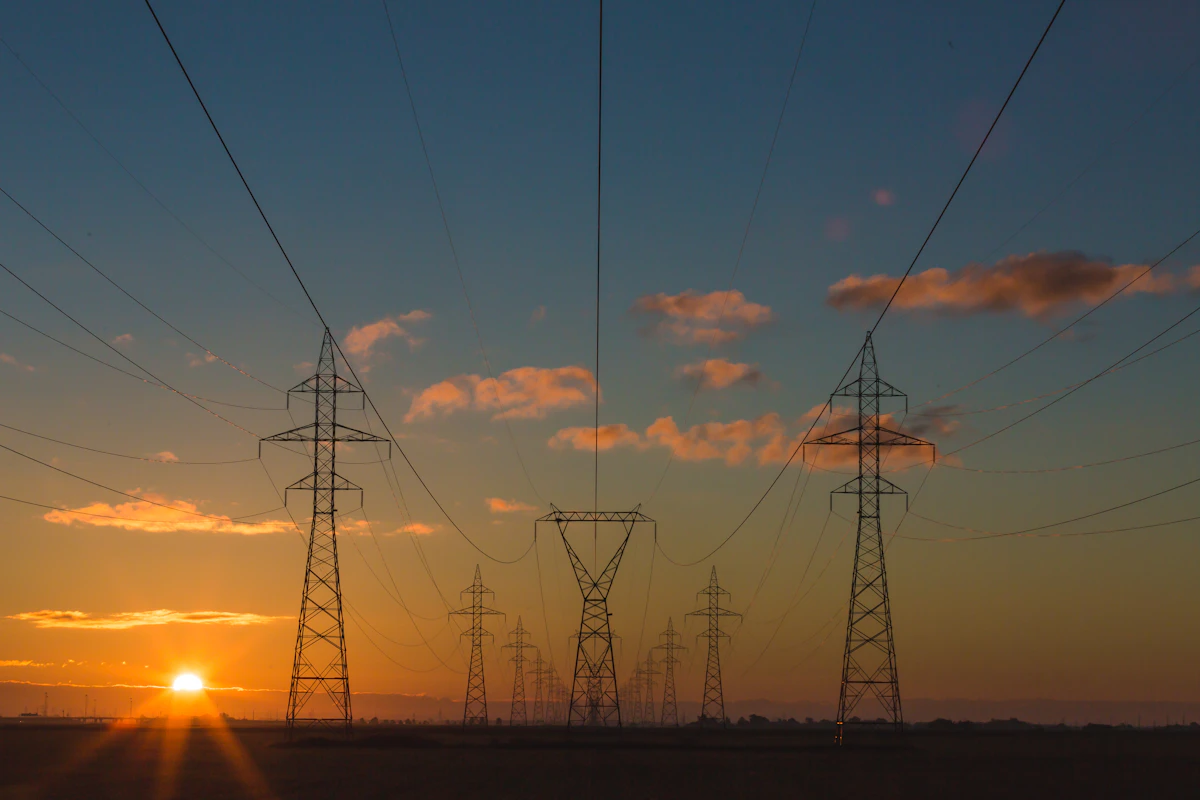
Image: Renewable energy integration in agriculture. Credit: Unsplash (Representative image)
Highjoule's Role: Beyond the Battery Cell
As a global leader since 2005, Highjoule understands that delivering an EasyPower lithium battery experience means looking beyond the chemistry. Our value is in the holistic integration and intelligent control.
Our Product Ecosystem
- Residential PowerWall & PowerStack: Scalable systems that integrate beautifully with existing or new solar setups. Our intuitive app lets homeowners control their energy destiny with a tap.
- Commercial H-Series & C-Series: Modular, scalable solutions from 30 kWh to multi-megawatt installations. They are engineered for the rigorous demands of industry, featuring advanced safety protocols and remote fleet management.
- Microgrid Controllers: The true brain for larger installations, enabling a mix of generation (solar, wind, gensets) and storage to operate as an independent, stable grid.
Services That Complete the Picture
We provide:
- Energy Consultation & System Design: Our experts model your energy usage to right-size the system for maximum benefit.
- Professional Installation & Grid Compliance: Certified partners ensure safe, code-compliant installation, handling permits and utility interconnection.
- 24/7 Monitoring & Proactive Maintenance: Our SyncGrid™ platform allows us to monitor system health and often address software-based issues remotely, ensuring optimal uptime.
This end-to-end responsibility is what separates a commodity battery from a Highjoule EasyPower solution.
Future-Proofing Your Power: Trends and Integration
The energy landscape is evolving rapidly. Here’s how an EasyPower lithium battery system positions you for the future:
Vehicle-to-Grid (V2G) and EV Integration
Your future electric vehicle could be a mobile battery pack. Advanced systems are being designed to bi-directionally interact with EV chargers, using the car's battery to power your home during a peak event or outage, creating a truly integrated ecosystem.
AI-Optimized Energy Trading
In markets with dynamic pricing, AI can predict price spikes and automatically decide when to buy, store, sell, or consume energy. Your storage system becomes an automated revenue stream. The International Energy Agency (IEA) highlights software as the key differentiator in future storage value.
Enhanced Grid Services
Aggregated networks of home batteries can provide critical services like frequency regulation to stabilize the wider grid, potentially creating new incentives and tariffs for participants.

Image: Conceptual diagram of a modern integrated home energy system. Credit: Unsplash (Representative image)
Is Your Property Ready for an Energy Transformation?
The journey to energy independence and intelligent power management begins with a single question. Imagine being able to look at your next utility bill, not with dread, but with the knowledge that you've taken control. What would it mean for your home's comfort or your business's bottom line to have power precisely when and how you need it, come rain, shine, or grid disruption?
The EasyPower lithium battery is more than technology; it's the key to that resilient, efficient, and sustainable future. We invite you to start a conversation with a Highjoule energy specialist today. What's the first load you would secure if the power went out tomorrow?
 Inquiry
 Online Chat