


What Are the Benefits of Solar Energy? A Practical Guide for Homeowners and Businesses
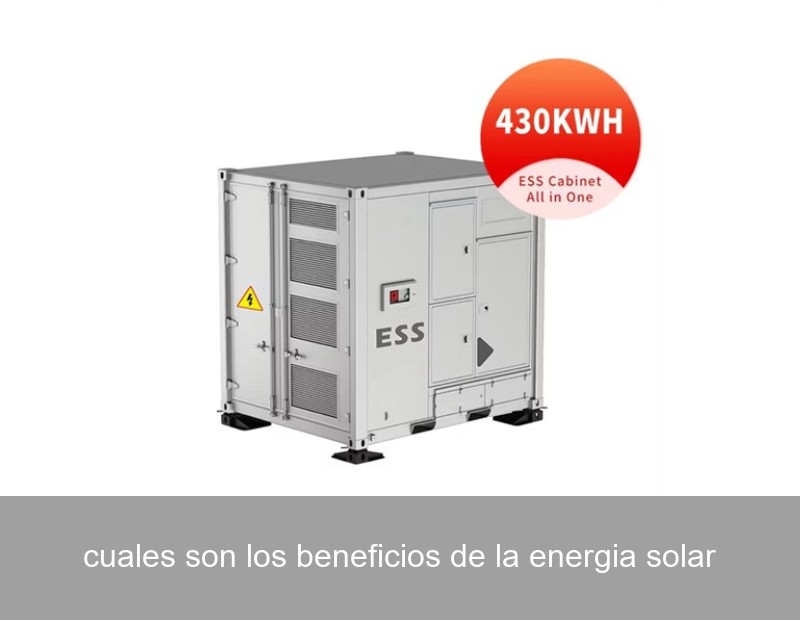
Table of Contents
- Introduction: More Than Just a Trend
- The Financial Benefits: Saving and Earning
- The Environmental Impact: A Cleaner Future
- Energy Independence and Reliability
- Boosting Property Value and Community Benefits
- Real-World Impact: A Case Study from Spain
- Making Solar Work for You: The Role of Smart Storage
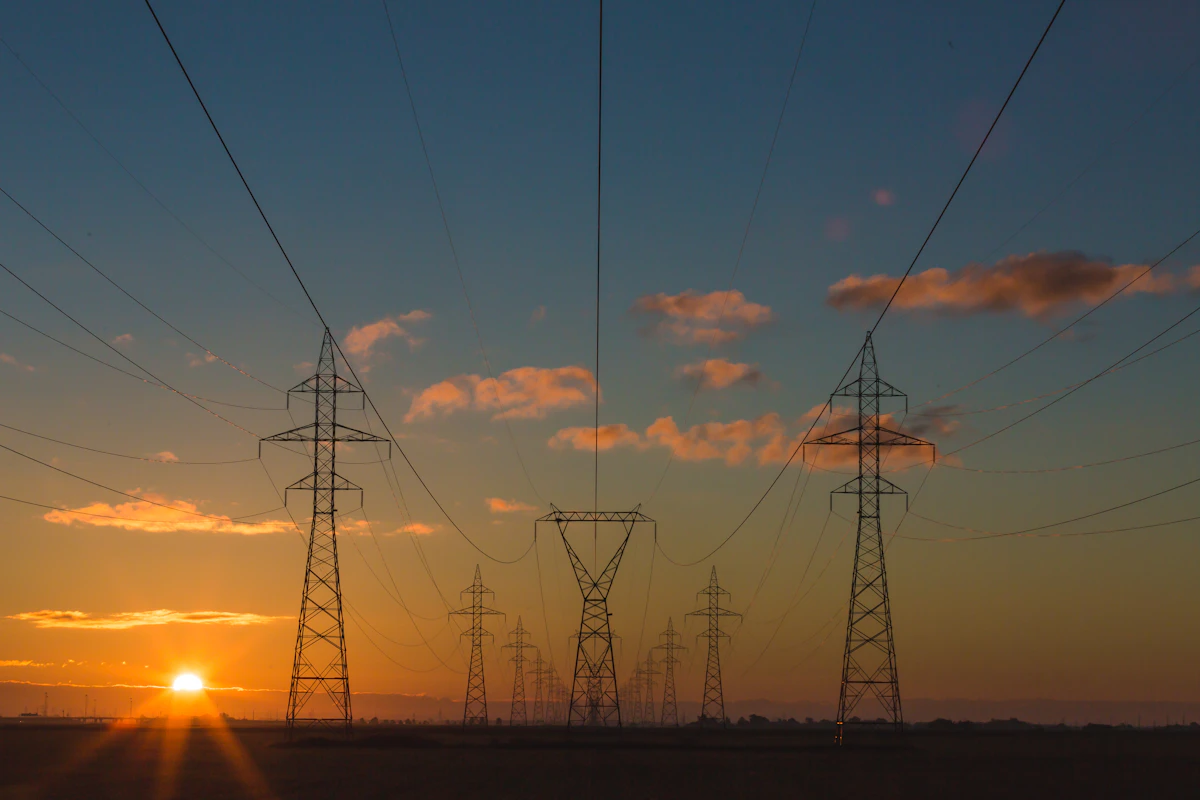
Image source: Unsplash - Professional photo of a residential solar installation.
Introduction: More Than Just a Trend
You've likely seen the shimmering blue panels popping up on rooftops across your neighborhood. Maybe you've wondered, beyond the obvious "green" appeal, what are the real, tangible benefits of solar energy? Is it just for the environmentally conscious, or does it make hard-nosed financial sense for the average homeowner or business owner? The shift to solar is far more than an eco-friendly gesture; it's a powerful economic and technological movement reshaping how we produce and consume power. Let's move beyond the buzzwords and explore the concrete advantages, from slashing utility bills to gaining control over your energy future.
The Financial Benefits: Saving and Earning
The most immediate benefit of solar power is financial. Think of your rooftop not just as shelter, but as a mini power plant with significant revenue potential.
- Dramatically Reduced Electricity Bills: Once installed, sunlight is free. Solar panels can cover a substantial portion, if not all, of your daytime electricity consumption. In sun-rich regions, it's common to see bills reduced by 70-90%.
- Protection Against Rising Energy Costs: Grid electricity prices are volatile and tend to rise over time. By generating your own power, you lock in a fixed cost for energy for the 25+ year lifespan of your system, providing incredible price stability.
- Government Incentives and Tax Breaks: Many governments actively encourage solar adoption. In the U.S., the federal Investment Tax Credit (ITC) allows you to deduct a significant percentage of your system cost from your taxes. Similar schemes exist across Europe, like the EU's supportive frameworks for renewable energy.
- Net Metering and Energy Sales: In many areas, you can sell excess electricity you generate back to the grid, spinning your meter backwards and earning credits. This turns your system into a true asset.
The Environmental Impact: A Cleaner Future
While the financials are compelling, the environmental benefits are the foundational reason for the solar revolution. Every kilowatt-hour (kWh) of solar energy directly displaces fossil-fuel-generated electricity.
| Environmental Benefit | Key Impact |
|---|---|
| Reduced Carbon Footprint | A typical residential solar system can offset 3 to 4 tons of carbon emissions annually—equivalent to planting over 100 trees each year. |
| Improved Air Quality | Less coal and gas burning means fewer emissions of sulfur dioxide (SO2), nitrogen oxides (NOx), and particulate matter, leading to cleaner air and better public health. |
| Sustainable Resource | Sunlight is abundant and inexhaustible on a human timescale, unlike finite fossil fuels. According to the International Energy Agency (IEA), solar PV is now the cheapest source of electricity in history for most of the world. |
Energy Independence and Reliability
This benefit is becoming increasingly important. Grid outages, whether from extreme weather, aging infrastructure, or peak demand overloads, are a growing concern. A solar energy system, particularly one paired with a battery, transforms this vulnerability into resilience.
- Self-Sufficiency: Generate and use your own power, reducing dependence on utility companies and the wider grid.
- Backup Power: When the grid goes down, a solar-plus-storage system can keep your lights on, refrigerator running, and critical devices powered. This is where the true power of a modern system lies.
This is a core focus for companies like Highjoule. As a leader since 2005, we don't just provide solar components; we deliver integrated smart energy storage systems. Our solutions, like the Highjoule HOMES series for residences and the Highjoule COMMERCIAL platform, are designed to maximize self-consumption of solar energy. They intelligently store excess solar power during the day for use at night or during outages, turning a simple solar array into a 24/7 reliable power source.

Image source: Unsplash - Professional image of a battery energy storage system control room.
Boosting Property Value and Community Benefits
Studies consistently show that homes with solar photovoltaic (PV) systems sell faster and at a premium compared to non-solar homes. Buyers recognize the value of lower future operating costs. Furthermore, solar energy decentralizes power generation, reducing strain on the grid during hot summer days when demand is highest, which benefits the entire community by enhancing overall grid stability and delaying the need for costly infrastructure upgrades.
Real-World Impact: A Case Study from Spain
Let's look at a concrete example. A medium-sized winery in the Andalusia region of Spain was facing high and unpredictable energy costs, which impacted its operational margins. The region, with over 300 days of sunshine per year, was an ideal candidate for solar.
- Challenge: High daytime energy consumption for cooling, irrigation, and production processes, coupled with a desire to improve sustainability credentials.
- Solution: Installation of a 250 kW rooftop solar PV system coupled with a 500 kWh Highjoule Industrial Battery Storage System (BESS).
- Results:
- Energy Bill Reduction: Achieved 85% reduction in grid electricity consumption.
- Peak Shaving: The BESS was programmed to discharge during peak tariff hours, avoiding the highest electricity rates.
- Reliability: Critical cooling systems for wine storage were backed up, protecting inventory from spoilage during grid fluctuations.
- Carbon Savings: The system offsets approximately 120 tons of CO2 emissions annually.
This case, documented in part by the International Renewable Energy Agency (IRENA)'s data on commercial solar adoption, highlights how the benefits of solar are multiplicative when combined with intelligent storage.
Making Solar Work for You: The Role of Smart Storage
To truly unlock all the benefits of solar energy, pairing it with a high-performance battery storage system is key. Without storage, excess solar energy goes to the grid (often at a low buy-back rate), and you're still reliant on the grid at night. Storage is the missing link for full energy autonomy.
This is Highjoule's expertise. We provide end-to-end solutions, from initial consultancy to system design, installation of high-efficiency components, and integration of our proprietary energy management software. Our systems are designed for the diverse needs of the European and American markets, ensuring compliance with local regulations and maximizing return on investment. Whether it's a family home in California seeking backup power, a factory in Germany aiming for carbon neutrality, or a microgrid for a remote community, Highjoule's technology makes solar energy a practical, reliable, and intelligent choice.

Image source: Unsplash - Family interacting with their home energy management system.
So, the question isn't just "What are the benefits of solar energy?" but rather...
How much of these benefits—financial savings, energy security, and environmental stewardship—could you be capturing right now with a tailored solar and storage solution? The first step is a personalized assessment of your energy profile and goals. What does your ideal energy-independent future look like?
 Inquiry
 Online Chat