


How a Distributed Energy Resources Management System Unlocks a Smarter, More Resilient Grid
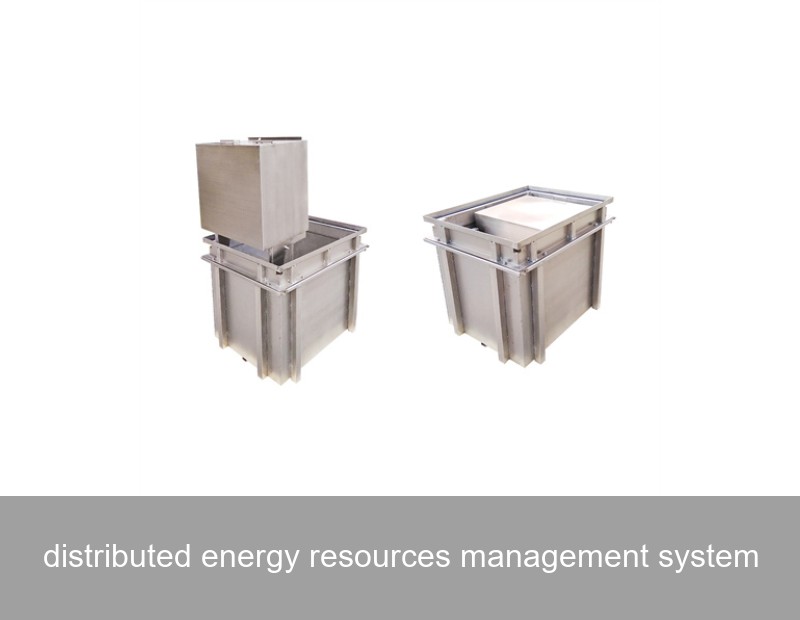
Imagine your local electricity grid not as a one-way street, but as a vibrant, two-way marketplace of energy. This is the promise of Distributed Energy Resources (DERs)—solar panels on rooftops, battery storage systems in basements, and electric vehicles in garages. But managing this complex, decentralized network is a monumental challenge. That's where a sophisticated Distributed Energy Resources Management System (DERMS) comes in. Think of it as the central nervous system for the modern grid, intelligently orchestrating thousands of individual assets to ensure stability, efficiency, and sustainability. For businesses, communities, and utilities navigating this shift, understanding DERMS is no longer optional; it's essential for energy independence and cost control.
Table of Contents
The DERMS Difference: From Passive to Proactive Grid Management
Traditionally, grid operators responded to demand by ramping large power plants up or down. Today, with millions of small-scale generators and storage units, that model is breaking. Without coordination, a sudden cloud cover over a solar-rich neighborhood or thousands of EVs plugging in simultaneously can cause voltage fluctuations or even outages. A Distributed Energy Resources Management System solves this by providing real-time visibility and control. It doesn't just see these assets as problems; it treats them as a flexible, virtual power plant that can be dispatched to support the grid when needed most.

Image Source: Unsplash - Visual representation of advanced energy management.
Data Drives Decisions: The Core Functions of a DERMS
So, what exactly does a DERMS do? Its power lies in four key capabilities:
- Aggregation: It groups diverse DERs—from residential batteries to commercial solar farms—into a single, manageable portfolio.
- Forecasting & Optimization: Using weather data and consumption patterns, it predicts generation (e.g., solar output) and demand, then calculates the most cost-effective and grid-friendly way to meet energy needs.
- Real-Time Dispatch & Control: It can send automatic signals to charge or discharge batteries, adjust smart inverters, or shift flexible loads to balance the grid in seconds.
- Grid Services: A robust DERMS enables participants to earn revenue by providing critical services like frequency regulation or peak shaving to the utility.
The impact is tangible. According to a report by the National Renewable Energy Laboratory (NREL), effectively integrating DERs can reduce grid infrastructure costs by billions and significantly enhance renewable hosting capacity. The data is clear: intelligent management is the bridge to a clean energy future.
Case Study: Taming the "Duck Curve" in California
Let's look at a real-world challenge. California, a leader in solar adoption, faces the infamous "duck curve"—a mid-day surplus of solar power followed by a steep evening ramp-up demand as the sun sets. This rapid ramp strains traditional gas plants and can lead to curtailment (wasting) of solar energy.
The Solution? A major California utility partnered with technology providers to implement a large-scale DERMS pilot. The system aggregated over 10,000 residential and commercial battery storage systems across the state. When the grid operator saw the evening demand peak approaching, the DERMS sent a coordinated signal to discharge thousands of batteries simultaneously.
| Project Metric | Result |
|---|---|
| Peak Demand Reduction | Over 50 MW during critical events |
| Solar Curtailment Avoided | Increased local solar utilization by an estimated 15% |
| Participant Revenue | Homeowners earned incentives for grid support |
This case shows a Distributed Energy Resources Management System in action: turning a grid liability (intermittent solar) into a massive asset, enhancing reliability, and putting money back in consumers' pockets. It's a win-win-win scenario.
Highjoule's HERON Platform: Your Intelligent DERMS Partner
For organizations looking to harness this potential, the complexity can be daunting. This is where Highjoule's expertise becomes critical. With nearly two decades of experience in advanced energy storage, we understand that a battery or solar array is only as smart as the software managing it. Our HERON Intelligent Energy Platform is a cutting-edge DERMS built for this exact purpose.

Image Source: Unsplash - Example of a modern commercial battery energy storage system.
HERON goes beyond basic monitoring. It's a cloud-native platform that seamlessly integrates with Highjoule's own high-performance battery storage systems as well as third-party DERs. For a manufacturing plant in Germany, HERON might perform automated energy arbitrage—storing cheap solar energy at noon and discharging it during expensive peak hours, slashing energy bills. For a microgrid in Texas, it could provide "black start" capability, using its stored energy to reboot the local grid after an outage.
What Highjoule's HERON Platform Delivers:
- Maximized ROI: Automates complex energy market participation to unlock revenue streams from your assets.
- Unmatched Resilience: Configures systems to provide backup power seamlessly, protecting critical operations.
- Simplified Compliance: Helps navigate evolving grid codes and utility interconnection requirements.
- Scalable Architecture: Whether you're managing a single site or a portfolio across Europe and the US, HERON scales with your needs.
We don't just sell hardware; we provide a full-stack Distributed Energy Resources Management System solution. From initial design and financing support to ongoing optimization via HERON, Highjoule is your partner in building a sustainable and profitable energy ecosystem.
The Future Grid: Questions to Ask Today
The energy transition is accelerating. As you consider solar, storage, or other DERs for your business or community, the management strategy is just as important as the equipment itself. Are you prepared to actively manage your energy assets, or will they operate in isolation? How will you adapt to dynamic energy prices and evolving grid rules?
What would it mean for your organization to not just consume energy, but to actively and intelligently participate in the energy market? The technology to do so is here today.
 Inquiry
 Online Chat