


How Distributed Energy Systems Are Reshaping Power Grids in Europe and the US
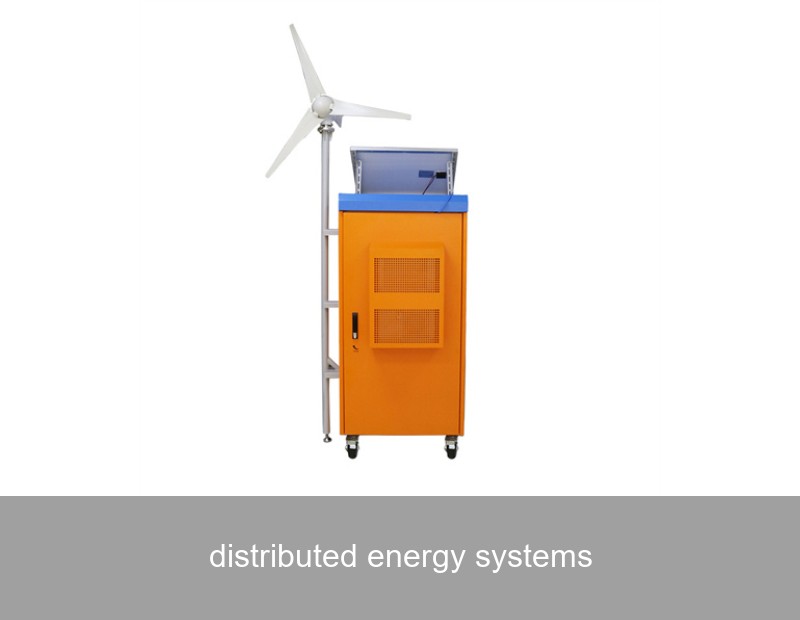
Imagine your home or business not just consuming electricity, but actively generating, storing, and even sharing it with your neighbors. This isn't science fiction; it's the reality being built today by distributed energy systems. For communities in Europe and North America facing grid instability, rising costs, and ambitious climate goals, these decentralized networks are becoming a cornerstone of a resilient energy future. Unlike the traditional, centralized model where power flows one-way from large plants, distributed systems empower consumers to become "prosumers." This shift is accelerating, driven by solar, battery storage, and smart management technologies. As a leader in this space since 2005, Highjoule designs intelligent energy storage solutions that form the intelligent core of these modern, distributed grids, ensuring they are not only sustainable but also reliable and efficient.
Table of Contents
The Strain on the Old Grid: A Tipping Point
We've all seen the headlines: "Heatwave Sparks Rolling Blackouts" or "Winter Storm Leaves Thousands Without Power." The traditional, hub-and-spoke electricity grid is showing its age. Built for a different century, it's increasingly vulnerable to extreme weather events, cyber threats, and sheer demand overload. In the EU and US, grid infrastructure upgrades require massive investment and time—commodities often in short supply. This vulnerability creates a powerful "push" factor. Meanwhile, the dramatic fall in costs for solar panels and lithium-ion batteries provides the "pull." The result? A perfect storm accelerating the adoption of distributed energy systems, where energy generation and storage are located close to where it's used—in homes, factories, and commercial buildings.
The Data Behind the Distributed Revolution
This isn't a niche trend. Let's look at the numbers. In the United States, the Solar Energy Industries Association (SEIA) reports that the residential solar market has seen consistent annual growth, with a significant parallel rise in attached battery storage. Across the Atlantic, the European Union's "Fit for 55" package aggressively promotes energy independence and renewables integration at a local level. A study by IRENA suggests that decentralized renewables could supply a substantial portion of Europe's power by 2030. The key driver is economics: when paired with smart storage, localized energy can reduce demand charges for businesses, provide backup power, and create new revenue streams by selling services back to the grid. It transforms electricity from a mere utility into a strategic asset.
Case Study: A German Industrial Park's Journey to Resilience
Let's make this concrete with a real-world example. A medium-sized automotive supplier park in Bavaria, Germany, faced two major problems: volatile energy prices cutting into profit margins and stringent corporate mandates to reduce carbon footprint. Their solution was a custom-designed distributed energy system.
The project involved:
- Rooftop Solar: 2.1 MW of photovoltaic panels across factory roofs.
- Battery Energy Storage System (BESS): A 1.5 MWh/750 kW battery storage system to capture excess solar and provide grid services.
- Smart Energy Management System (EMS): The brain that optimizes self-consumption, schedules peak shaving, and manages grid interactions.
The results after one year of operation were impressive:
| Metric | Result |
|---|---|
| Grid Energy Independence | Increased from 15% to 65% during daylight hours |
| Peak Demand Charges | Reduced by 40% |
| Annual CO2 Emissions | Avoided 1,200 tonnes |
| ROI Period | Estimated at 4.5 years |
This case exemplifies the triple win: financial savings, operational resilience, and sustainability. The battery storage system was crucial, acting as a buffer that turned intermittent solar into a firm, dispatchable resource for the park.

Image: Rooftop solar installations on industrial buildings are a key part of distributed energy systems. (Source: Unsplash, representative image)
Core Components of a Modern Distributed Energy System
So, what makes these systems tick? Think of it as an orchestra, where each component plays a vital role:
1. Distributed Generation
This is the fuel. Primarily rooftop solar PV, but also small-scale wind, combined heat and power (CHP), or even hydro. The principle is local generation.
2. Energy Storage: The Game Changer
This is the heart of modern distributed energy systems. Batteries, like the advanced lithium-ion systems Highjoule specializes in, are the enablers. They solve the intermittency problem of renewables by storing surplus energy for use when the sun isn't shining or demand is high. This turns variable generation into a reliable power source.
3. Smart Inverters & Power Electronics
These are the muscles and nerves. They convert DC from solar and batteries to AC for the building and grid, but crucially, they also provide grid-support functions like voltage and frequency regulation, maintaining stability.
4. Energy Management System (EMS)
This is the brain. A sophisticated software platform (often cloud-connected) that makes real-time decisions: when to charge the batteries, when to discharge, when to import a tiny bit of grid power, and when to export. It maximizes economics and resilience based on weather forecasts, electricity prices, and consumption patterns.

Image: Advanced control systems are essential for managing complex distributed energy assets. (Source: Unsplash, representative image)
Highjoule's Role: The Intelligence Layer for Distributed Networks
Building a reliable distributed energy system is more than just hardware procurement. It requires deep integration expertise and intelligent control. This is where Highjoule's nearly two decades of experience come into play. We don't just provide batteries; we deliver turnkey, smart storage solutions that serve as the stable, intelligent core for decentralized energy networks.
For our commercial and industrial clients in Europe and the US, our H-Series modular battery storage systems offer scalable power and capacity. Paired with our proprietary JouleMind AI-driven EMS, the system autonomously optimizes for multiple value streams: increasing solar self-consumption, executing peak shaving to slash utility bills, and even participating in grid service programs where available. For microgrid and community-level projects, our solutions provide black-start capability and seamless islanding, ensuring continuity of operations. We act as a partner, from initial feasibility and financial modeling to system design, installation, and long-term performance monitoring.
Our technology is designed with the grid of the future in mind. By aggregating multiple distributed Highjoule systems, virtual power plants (VPPs) can be formed, providing critical flexibility to grid operators and making the entire network more resilient—a key concern for regulators in both Europe and the United States.
The Future and Its Challenges
The path forward for distributed energy systems is bright, but not without hurdles. Regulatory frameworks often lag behind technology, with outdated rules around grid interconnection and compensation. Standardization and cybersecurity for millions of connected devices are paramount concerns. However, the direction is clear. The energy transition is becoming a localized, democratized movement. The question is no longer *if* distributed systems will become mainstream, but *how quickly* and *how intelligently* they will be integrated.
This leads us to a crucial point for any business or community considering this path: the success of a distributed energy project hinges on the sophistication of its storage and control system. It's the difference between having solar panels and having a truly intelligent, revenue-generating energy asset.
What specific energy challenge—be it unpredictable costs, reliability concerns, or a sustainability target—is your organization looking to solve with its own power?
 Inquiry
 Online Chat