


Reflective Energy Solutions: Turning Passive Consumption into Active Grid Support
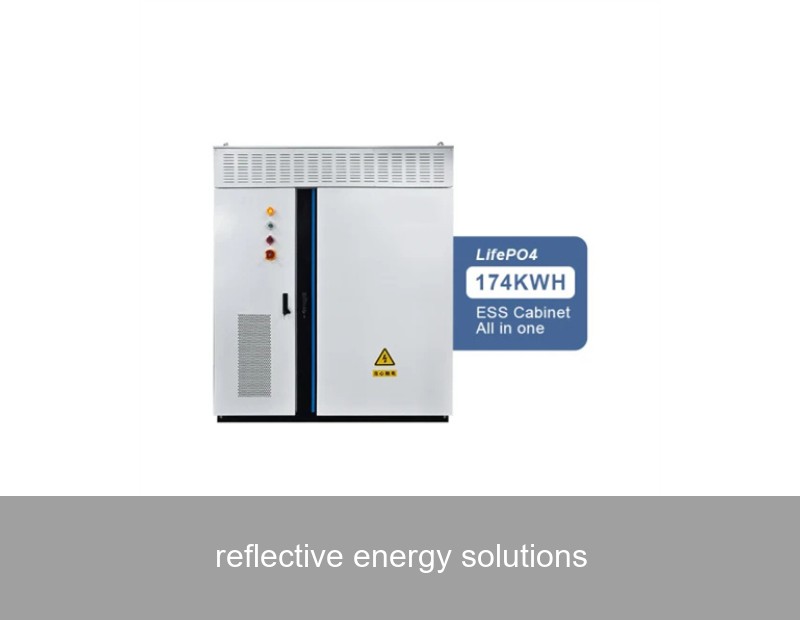
Imagine your home or business not just using energy, but conversing with the grid. This isn't science fiction; it's the reality being built by a new wave of intelligent power management known as reflective energy solutions. At its core, this concept moves beyond simple generation and storage. It's about creating systems that can "reflect" on energy needs, grid conditions, and weather patterns in real-time, then autonomously adjust their behavior to optimize for cost, sustainability, and stability. For energy-intensive regions in Europe and the US facing volatile prices and grid strain, these solutions are transitioning from a luxury to a strategic necessity.
Table of Contents
The Pressure on the Modern Grid: More Than Just Outages
We've all seen the headlines: "Heatwave Triggers Grid Emergency" or "Energy Prices Soar Amid Supply Crunch." The traditional, one-way grid—where power flows from large plants to passive consumers—is buckling under new pressures. The rapid adoption of intermittent renewables like solar and wind, while ecologically vital, introduces variability. Simultaneously, electrification of transport and heating is driving demand ever upward. The result? Increased risk of blackouts, skyrocketing time-of-use rates, and a fragile system. The U.S. Energy Information Administration (EIA) notes that the frequency and duration of power interruptions have been steadily increasing in recent years (EIA, 2022). The grid needs active partners, not just passive users.
What Are Reflective Energy Solutions?
Think of reflective energy solutions as the central nervous system for your power assets. They integrate several key components:
- Advanced Energy Storage (BESS): The physical "bank account" for electrons, typically using lithium-ion or other advanced chemistries.
- AI-Powered Energy Management System (EMS): The "brain" that forecasts, learns, and makes decisions.
- Smart Inverters & Controls: The "muscles" that execute commands, enabling precise charge/discharge and grid communication.
- Renewable Generation (often onsite): The primary source of clean fuel for the system.
What makes them "reflective" is their ability to process real-time data—electricity prices, grid frequency, local weather forecasts, and your own consumption patterns—and proactively determine the most beneficial action. Should the battery store solar power now for the evening peak? Should it sell a burst of power back to the grid to stabilize a frequency dip? The system reflects, then acts.

Image Source: Unsplash - Representative image of an advanced battery storage system.
The Data Advantage: From Kilowatts to Insights
The magic lies in data synthesis. A true reflective solution doesn't just react; it anticipates. For instance, by integrating a weather API, the system knows a cloudy tomorrow will reduce solar yield, so it conserves more energy today. It knows that utility "demand response" events are often called on hot weekday afternoons, so it ensures the battery is fully reserved for that potential revenue opportunity. This transforms energy from a mere commodity into a strategic asset.
Case Study: A German Manufacturing Plant's Reflective Journey
Let's ground this in reality. A mid-sized automotive parts manufacturer in Bavaria, Germany, faced crippling peak demand charges and sought to reduce its carbon footprint. They installed a 1.2 MW solar array and, initially, a basic 500 kWh battery for backup.
The Problem: The system was "dumb." It charged the battery with solar excess and discharged it in the evening, missing complex grid signals and market opportunities.
The Reflective Solution: The company partnered with Highjoule to upgrade their installation with our Helios AI-EMS platform. This system was integrated with the German intraday energy market data and local grid operator (TransnetBW) balancing signals.
The Data-Driven Outcome (12-month period):
| Metric | Before Reflective System | After Reflective System | Change |
|---|---|---|---|
| Energy Cost Savings | 18% (from solar only) | 41% | +23% |
| Revenue from Grid Services | €0 | €28,500 | New Income Stream |
| Grid Independence (self-consumption) | 65% | 89% | +24% |
The key was the system's ability to "reflect": during a period of exceptionally high wholesale prices triggered by low wind output across Europe, the Helios EMS autonomously decided to sell a portion of the stored battery energy to the grid, maximizing revenue, while still ensuring the plant's operational needs were met. This wasn't just saving money; it was actively supporting grid resilience. A study by the Fraunhofer Institute highlights the economic logic, showing how flexible storage is crucial for integrating renewables.
Highjoule's Role in Enabling Reflection
Since 2005, Highjoule has been at the forefront of making intelligent, reflective energy a practical reality. Our solutions are designed to be the cornerstone of this new energy paradigm. We don't just supply hardware; we deliver an integrated outcome: optimized energy economics and unwavering reliability.
For our commercial and industrial clients across Europe and North America, this means deploying our H-Series modular battery storage systems, renowned for their safety, cycle life, and power density. These systems are seamlessly governed by our proprietary Helios AI-EMS, the true engine of reflection. Helios processes millions of data points to execute strategies like peak shaving, energy arbitrage, and participation in utility demand response programs—often simultaneously.
For residential and microgrid applications, our Echo Home Power Hub brings this reflective intelligence to households. It integrates rooftop solar, home storage, and even EV charging, learning the family's routines and adjusting to protect against outages and minimize bills. Imagine your home automatically charging your EV when grid carbon intensity is lowest, a decision made by your reflective energy system.

Image Source: Unsplash - Representative image of a family engaging with home energy management.
The Future is a Two-Way Conversation
The trajectory is clear. Future grids will resemble a democratic network of "prosumers"—entities that both produce and consume. Reflective energy solutions are the enabling technology for this transition. They allow a factory, a hospital, a neighborhood, or a single home to become a responsive node, providing valuable services that smooth out the bumps in our renewable energy transition. This isn't merely about individual resilience; it's about collective stability. As electric vehicle fleets become ubiquitous, their batteries could form a massive, distributed reflective network. The question is, will our infrastructure be ready to listen and respond?
Is your organization simply consuming energy, or is it ready to start a conversation with the grid? What would the ability to predict and adapt to energy market swings mean for your operational budget this coming year?
 Inquiry
 Online Chat