


Do Solar Panels Make Sense in 2024? A Data-Driven Look for Homeowners
It's a question millions of homeowners across Europe and the US are asking: "Do solar panels make sense for me?" With rising electricity bills, increasing climate awareness, and evolving technology, the answer is more nuanced—and more promising—than ever. It's not just about slapping panels on your roof; it's about understanding the full picture of energy generation, consumption, and, crucially, storage. Let's break down the modern factors that determine whether solar is a wise investment for your home and how integrating a complete energy system can be the key to true energy independence and savings.
Table of Contents
- The Phenomenon: Soaring Bills and Solar Curiosity
- The Data: Costs, Payback, and the Storage Factor
- The Case Study: The Johnson Family's Journey to 90% Self-Consumption
- The Insight: It's About the System, Not Just the Panels
- How Highjoule's Smart Energy Solutions Make Solar Make More Sense
- What's Your Home's Energy Potential?
The Phenomenon: Soaring Bills and Solar Curiosity
You've seen the graphs in the news and felt the pinch in your monthly statement. Energy prices in markets like Germany, the UK, and across the United States have experienced significant volatility and upward trends. This financial pressure is the primary driver pushing people to ask, "Do solar panels make sense?" But here's the catch many discover: solar panels alone generate power only when the sun shines. What about evenings, cloudy days, and peak demand periods when grid prices skyrocket? This inherent intermittency of solar is the classic puzzle piece that often gets overlooked in initial calculations.
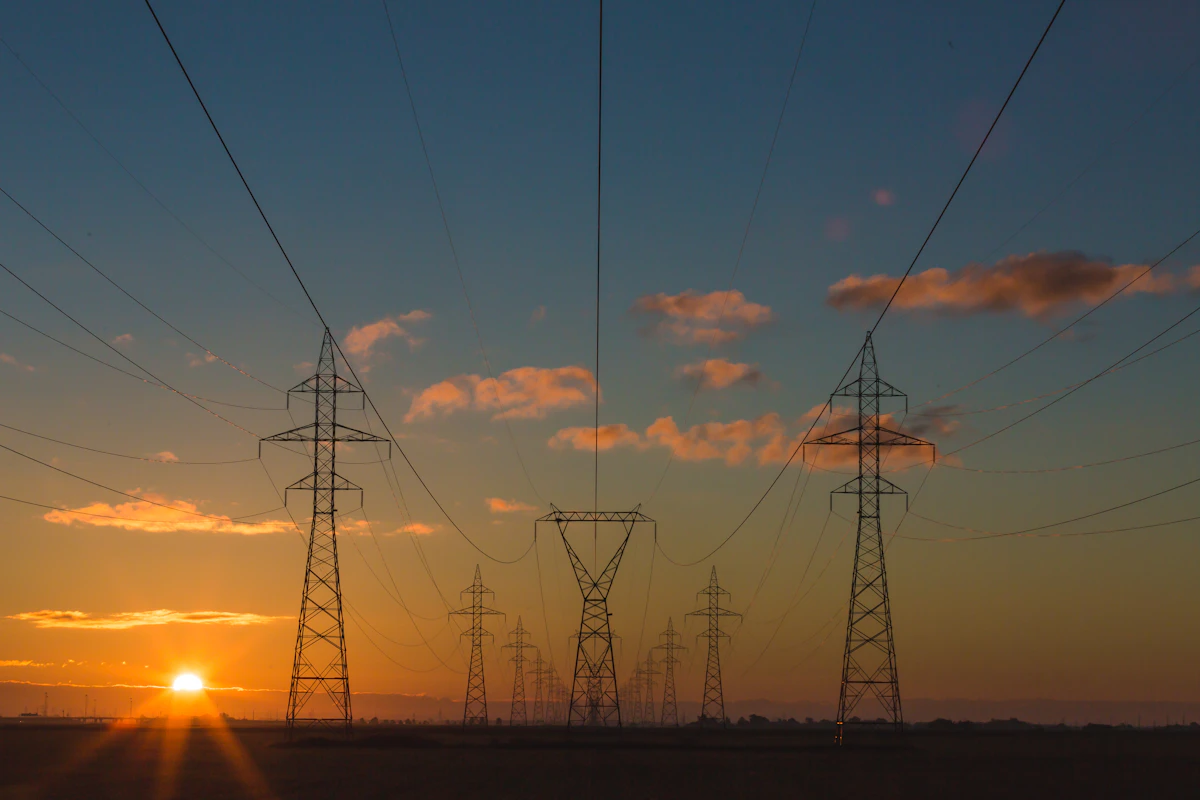
Image Source: Unsplash. A home with solar panels at dusk highlights the question: where does power come from when the sun goes down?
The Data: Costs, Payback, and the Storage Factor
Let's talk numbers. The cost of solar photovoltaic (PV) modules has plummeted over 80% in the last decade (Source: NREL). Government incentives, like the Federal Investment Tax Credit (ITC) in the US or various EU member state subsidies, can still cover a significant portion of the initial investment. A typical solar panel system might have a payback period of 6-10 years based on current electricity rates.
However, this standard calculation often assumes you use all the solar energy as it's produced or sell it back to the grid at a favorable rate. The reality is changing. Net metering policies are evolving, with many utilities now offering lower buy-back rates. This is where the equation shifts dramatically. By adding a battery energy storage system (BESS), you can increase your self-consumption of solar energy from an average of 30-40% to over 70-80%. This means you buy less expensive grid power, protect yourself from outages, and maximize the value of every kilowatt-hour your panels produce.
| Scenario | Solar Only (No Storage) | Solar + Battery Storage |
|---|---|---|
| Self-Consumption of Solar Energy | ~30-40% | ~70-90%+ |
| Grid Independence During Outages | No | Yes |
| Benefit from Time-of-Use Rates | Limited | High (Store cheap solar, avoid peak rates) |
| Long-Term ROI on Solar Investment | Good | Excellent & More Resilient |
The Case Study: The Johnson Family's Journey to 90% Self-Consumption
Consider the real example of the Johnson family in Sacramento, California. In 2021, they installed a 8.5 kW solar system. Initially, they were exporting most of their afternoon surplus to the grid for credit. In 2023, their utility shifted to a new rate structure that severely reduced the value of exported power and introduced high evening peak charges.
Their solution? They integrated a Highjoule H2 Series home battery system with a capacity of 13.5 kWh. The results over one year were compelling:
- Self-Consumption Rate Increased: From 35% to 92%.
- Annual Grid Electricity Cost: Reduced from a net $200 cost (after credits) to a net $15.
- Backup Power: Provided seamless backup during two planned public safety power shutoffs, totaling 18 hours.
"The panels were a great first step," said Mr. Johnson, "but adding the Highjoule battery was what truly locked in our savings and gave us peace of mind. Now, our system makes complete sense."
The Insight: It's About the System, Not Just the Panels
So, do solar panels make sense? The most accurate answer is: Solar *energy systems* make profound sense. The true value is unlocked when you view solar generation, intelligent storage, and energy management as one integrated solution. This system approach allows you to:
- Time-Shift Your Energy: Use your sunny-day solar power to cook dinner and watch TV at night.
- Create a Personal Microgrid: Maintain power during outages, a concern growing in both California and across Europe.
- Optimize Financially: Automatically store energy when it's cheap (or self-produced) and use it when grid prices are high.
This isn't futuristic; it's today's technology. The leading companies in this space are those that provide not just hardware, but the intelligence to make it all work together seamlessly.
How Highjoule's Smart Energy Solutions Make Solar Make More Sense
At Highjoule, with nearly two decades of experience since 2005, we've evolved from a component provider to a holistic energy solutions architect. We understand that for solar to make ultimate sense, it must be reliable, efficient, and intelligent. Our product ecosystem is designed for this exact purpose:
- Highjoule H-Series Residential Battery Systems: Scalable, lithium iron phosphate (LFP) based storage solutions known for safety and long cycle life. They integrate with both new and existing solar installations.
- Aurora Energy Management Platform: The brain of the system. This AI-driven software learns your household's energy patterns, weather forecasts, and utility rate schedules to autonomously optimize when to store, use, or conserve energy, maximizing your financial return and comfort.
- Highjoule Integrated Solar + Storage Packages: We offer curated systems where our storage is perfectly matched with high-efficiency solar panels and inverters, ensuring compatibility and peak performance from day one.
For commercial and industrial clients, our C&I and microgrid solutions provide the same principles at scale, ensuring operational continuity and significant cost management. By choosing a provider like Highjoule, you're not just buying a battery; you're investing in a smarter, more resilient energy future for your property.

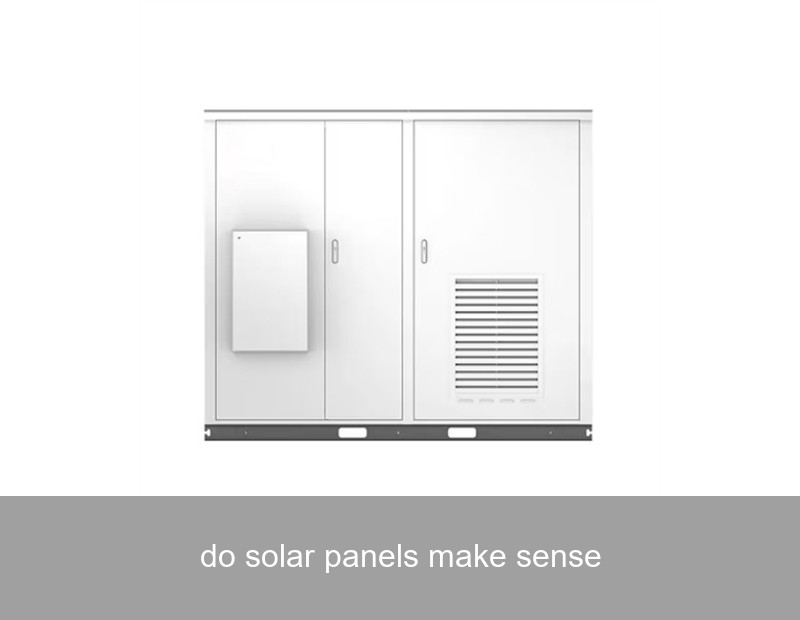
Image Source: Unsplash. A modern, compact home battery installation like Highjoule's H-Series, enabling higher solar self-consumption.
What's Your Home's Energy Potential?
The question is no longer just "do solar panels make sense?" The more powerful question to ask yourself is: "How can I design an energy system that maximizes my independence, protects my budget from volatile prices, and contributes to a sustainable grid?" The technology is here, the economics are increasingly favorable, and the need for energy resilience is clearer than ever.
What is the single biggest barrier you perceive in making the move towards a complete solar and storage system for your home?
 Inquiry
 Online Chat