


Your Domestic Energy Storage Cabinet Battery: The Heart of a Modern, Resilient Home
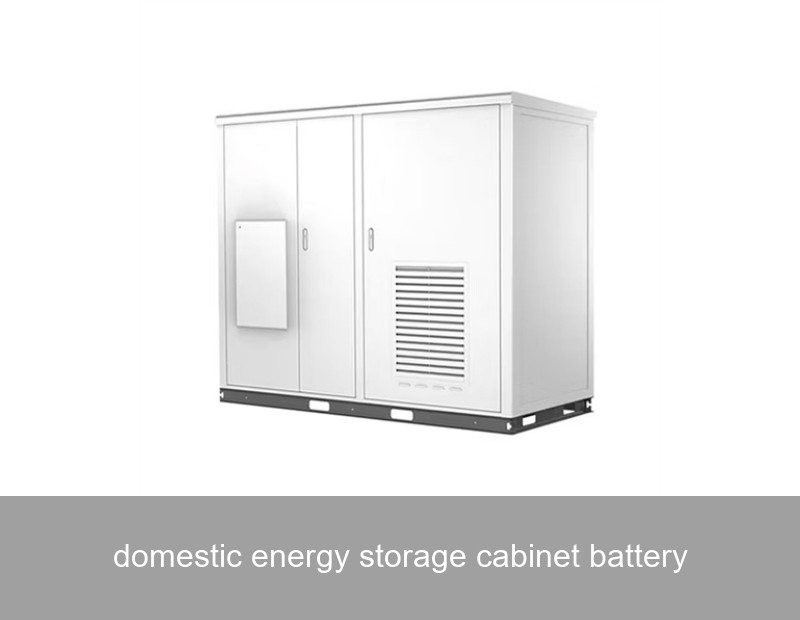
Imagine a power outage. The lights flicker and go out. But in your home, the refrigerator hums, the Wi-Fi stays on, and life continues uninterrupted. This isn't magic; it's the power of a modern domestic energy storage cabinet battery. For homeowners across Europe and the US, these systems are transforming from a niche luxury to a central pillar of energy independence, cost savings, and sustainability. This article will demystify the domestic battery storage cabinet, explore its real-world impact, and show you how it integrates seamlessly into your home's energy ecosystem.
Table of Contents
- What is a Domestic Energy Storage Cabinet Battery?
- The Driving Forces: Why Home Battery Storage is Booming
- Beyond Backup: Key Benefits of a Home Battery System
- Inside the Cabinet: Key Components and Technology
- A Real-World Case Study: The Smith Family in California
- Choosing the Right System for Your Home
- The Future of Home Energy Storage

Credit: Photo by Possessed Photography on Unsplash. A modern home energy setup with solar panels and a wall-mounted battery unit.
What Exactly is a Domestic Energy Storage Cabinet Battery?
Let's break it down simply. A domestic energy storage cabinet battery is a compact, self-contained unit installed at your home that stores electrical energy for later use. Think of it as a giant, sophisticated rechargeable battery for your entire house. It's typically housed in a durable, weather-resistant cabinet designed for safe installation indoors (like a garage or utility room) or outdoors. Its primary partner is a solar photovoltaic (PV) system, but it can also charge from the grid during off-peak hours when electricity is cheaper.
The Core Function: Energy Time-Shifting
The most powerful concept here is "energy time-shifting." Your solar panels produce the most energy in the middle of the day, often when you're not home to use it. Without storage, this excess energy is sent back to the grid (often for minimal credit). A battery cabinet captures that excess solar energy and holds it for you to use in the evening when your family is home, demand is high, and grid prices spike. It puts you in control.
The Driving Forces: Why Home Battery Storage is Booming
This isn't just a tech trend; it's a response to real-world challenges and opportunities. Three major factors are accelerating adoption:
- Grid Instability & Resilience: From wildfires in California to extreme winter storms in Texas and fluctuating grid reliability in parts of Europe, power outages are a growing concern. A home battery provides essential backup power, keeping critical loads running.
- Economic Incentives & Rising Costs: Electricity prices in the EU and US have seen significant volatility and increases. Programs like tax credits and incentives make storage more affordable, while time-of-use (TOU) rate plans make avoiding peak pricing financially compelling.
- The Solar Synergy: As solar adoption soars, storage is the logical next step to maximize self-consumption. The International Energy Agency (IEA) notes the rapid growth of solar PV, which naturally drives demand for storage solutions to manage that intermittent generation.
Beyond Backup: The Multifaceted Benefits of a Home Battery Cabinet
While backup power is a huge draw, the benefits of a domestic energy storage system are far more comprehensive.
| Benefit | Description | Impact on Homeowner |
|---|---|---|
| Energy Independence | Reduces reliance on the utility grid by using your own stored solar energy. | Greater control over energy costs and supply. |
| Bill Savings | Arbitrage: Charge with cheap/solar power, discharge during expensive peak hours. | Direct reduction in monthly electricity bills. |
| Backup Power | Provides seamless power during grid outages for essential circuits or whole home. | Peace of mind, safety, and continuity. |
| Solar Optimization | Increases self-consumption of solar energy from ~30% to 80% or more. | Maximizes return on investment in solar panels. |
| Grid Support | Advanced systems can participate in grid services (where available). | Potential for additional revenue streams. |
Inside the Cabinet: Key Components & Technology
Not all battery cabinets are created equal. A high-quality system, like those engineered by Highjoule, integrates several critical components into a single, intelligent unit:
- Battery Cells: The core storage medium. Most modern systems use Lithium Iron Phosphate (LFP) chemistry for its superior safety, long lifespan (often 10,000+ cycles), and stability.
- Battery Management System (BMS): The "brain" of the battery. It monitors cell voltage, temperature, and state of charge to ensure safe, efficient operation and longevity.
- Hybrid or AC-Coupled Inverter: This device manages the flow of energy. It converts DC electricity from the battery to AC for your home, and vice-versa. A hybrid inverter can integrate solar, battery, and grid seamlessly.
- Thermal Management System: A crucial safety and performance feature. It keeps the battery within its optimal temperature range, whether through passive cooling or active liquid cooling.
- Energy Management Software: The user interface. This is the app or portal where you monitor energy flows, set preferences (like backup reserve), and see your savings in real-time.
This is where expertise matters. Highjoule's ResiCube series of domestic energy storage cabinets exemplifies this integrated approach. Designed for the European and North American markets, the ResiCube combines UL/IEC-certified LFP batteries with a sophisticated liquid cooling system and an AI-driven energy management platform. This allows it to deliver maximum efficiency and lifespan, even in demanding climates, while giving homeowners intuitive control over their energy destiny.

Credit: Photo by ThisisEngineering RAEng on Unsplash. Monitoring and controlling your home energy system via a smart interface.
A Real-World Case Study: The Smith Family in Sacramento, California
Let's move from theory to practice. The Smith family lives in Sacramento, CA, an area with high solar potential but also frequent Public Safety Power Shutoffs (PSPS) due to wildfire risk and high TOU electricity rates from their utility.
- Phenomenon: High energy bills despite having solar, and anxiety over multi-day power outages.
- Data & Solution: They installed a 10 kW solar array paired with a 20 kWh Highjoule ResiCube battery cabinet. Their system was designed to power essential loads (refrigeration, lighting, communications, one HVAC zone) for over 24 hours on a full charge.
- Results: In the first year:
- Bill Savings: Their annual electricity bill dropped from ~$1,800 to a net $200 (primarily minimal grid connection fees), thanks to avoiding peak rates from 4-9 PM.
- Outage Protection: They experienced three grid outages totaling 42 hours. The ResiCube provided seamless backup power each time.
- Solar Self-Consumption: They increased their direct use of solar generation from an estimated 35% to 92%, drastically reducing wasted energy export.
- Insight: For the Smiths, the battery wasn't just an expense; it was an investment that solidified their solar ROI, provided priceless peace of mind, and turned their home into a personal power station. The California SGIP incentive helped offset the initial system cost, a model similar to various grants available in European countries.
Choosing the Right Domestic Energy Storage System for You
Selecting a system involves a few key considerations:
- Capacity (kWh): How much energy do you need to store? This depends on your daily energy usage and desired backup duration. A professional installer can perform a detailed load analysis.
- Power Rating (kW): How much power can the system deliver at once? This determines how many large appliances (e.g., air conditioner, oven) you can run simultaneously on battery power.
- Chemistry & Safety: Prioritize systems with LFP chemistry and robust, certified safety features. Ask about the warranty (both years and throughput).
- Integration & Scalability: Does it work seamlessly with your existing or planned solar system? Can you add more battery cabinets later if your needs grow?
- Smart Features & Software: Look for intelligent software that can learn your usage patterns, automatically optimize for savings, and receive over-the-air updates.
As a global leader with nearly two decades of experience, Highjoule doesn't just sell hardware; we provide complete, intelligent power solutions. Our team works with certified installers to assess your home's specific profile, design a system that meets your resilience and financial goals, and support you with remote monitoring and maintenance services for the life of the system.
The Future is Integrated and Intelligent
The domestic energy storage cabinet is evolving into the central hub of the smart, sustainable home. We're moving towards systems that can intelligently interact with the grid (Vehicle-to-Grid/G-Home), manage electric vehicle charging, and even connect with other home appliances to create a fully optimized, automated energy ecosystem. The goal is a home that not only consumes energy but actively manages it for maximum efficiency, cost, and environmental benefit.

Credit: Photo by Carlos Muza on Unsplash. The future of integrated home energy management.
Is your home ready to become an active participant in the new energy landscape, or will it remain a passive consumer on the grid? What would energy security and true independence look like for your family?
 Inquiry
 Online Chat