


Harnessing the Wind: A Practical Guide to Domestic Wind Turbines in South Africa
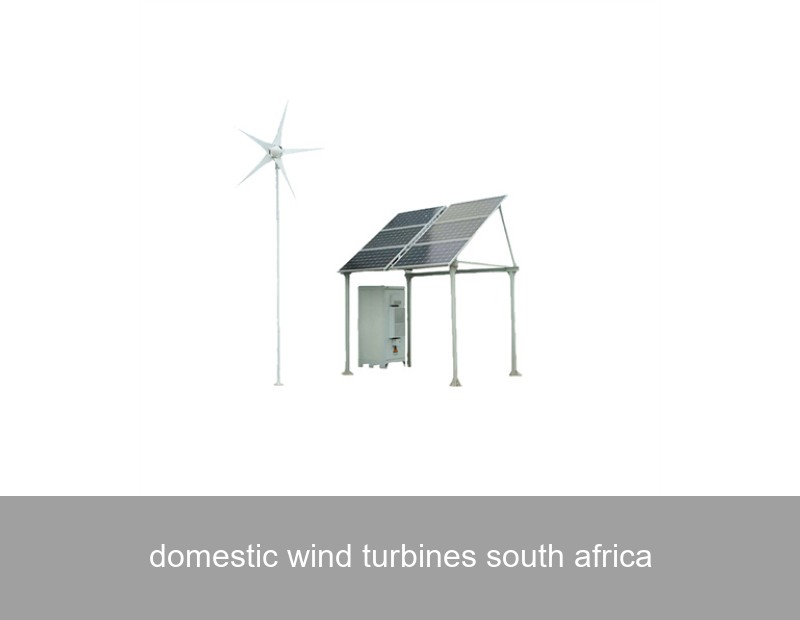
Imagine this: you're sitting in your home in Johannesburg, Cape Town, or a remote farm in the Karoo, and a load-shedding stage hits. But your lights stay on, your fridge keeps humming, and your life continues uninterrupted. For a growing number of South Africans, this isn't a dream—it's the reality powered by renewable energy. While solar panels have dominated the conversation, there's another powerful force waiting to be tapped: the wind. Domestic wind turbines in South Africa are emerging as a viable, complementary solution for homeowners seeking true energy independence and resilience against an unreliable grid.
The Rise of Domestic Wind Turbines in South Africa
South Africa's energy crisis, characterized by persistent load-shedding and rising electricity tariffs, has sparked a renewable energy revolution at the household level. The country is blessed with exceptional wind resources, particularly along its coastal regions and inland highveld. According to the Council for Scientific and Industrial Research (CSIR), wind power is a cornerstone of South Africa's renewable energy potential, with many areas experiencing average wind speeds well above the 4-5 meters per second typically needed for small-scale wind generation to be effective.
This perfect storm of need and resource has led to increased interest in small-scale wind turbines, typically ranging from 400W to 10kW in capacity. These systems can be mounted on rooftops or free-standing towers, converting the kinetic energy of the wind into electricity for direct use in the home. For properties with sufficient space and good wind exposure, a domestic wind turbine in South Africa can generate power day and night, and even in cloudy weather—addressing one of the key limitations of solar-only systems.
Beyond the Breeze: Key Challenges for Home Wind Power
However, the path to wind-powered independence isn't as simple as just erecting a turbine. It requires careful consideration. Unlike solar irradiance, which is relatively predictable, wind is inherently variable and site-specific. A turbine installed just a few meters too low or in the wake of a building can see its output drop dramatically.
- Site Assessment is King: A professional wind survey is crucial. You need verifiable data on average wind speed at your exact proposed hub height.
- The Intermittency Problem: The wind doesn't blow on demand. Generation peaks may not align with your household's consumption peaks, especially in the evening.
- Grid-Tie Complications: Connecting a variable wind source directly to a fragile grid can create technical challenges for local utilities, and regulations are still evolving.
This is where the conversation shifts from a single technology to an integrated system. The most reliable off-grid or backup power solutions rarely rely on one source alone.
The Smart Solution: Hybridizing Wind with Solar and Storage
The true magic happens when you combine forces. A hybrid renewable energy system leverages the strengths of multiple sources. In South Africa, this often means pairing domestic wind turbines with solar PV panels. Solar produces abundant energy during sunny, daytime hours, while wind can generate at night and during overcast or stormy weather. This combination creates a much more consistent and reliable energy yield throughout the year.
But generation is only half the story. To achieve 24/7 power, you need an intelligent brain and a robust battery. This is where advanced energy storage systems (ESS) come in. Companies like Highjoule specialize in designing and integrating these sophisticated systems. Highjoule's smart ESS doesn't just store excess energy from your wind turbine and solar panels; it intelligently manages it. Using advanced forecasting and learning algorithms, the system optimizes when to draw from generation, when to charge or discharge the battery, and when to potentially sell back to the grid—all to ensure your home has power when you need it most, regardless of the weather or Eskom's schedule.
 Image Source: Wikimedia Commons (U.S. Department of Agriculture). A diagram illustrating the components of a hybrid wind and solar power system with battery storage.
For homeowners considering a domestic wind turbine in South Africa, partnering with a provider like Highjoule means you're not just buying hardware. You're investing in a complete, optimized power solution that seamlessly blends wind, solar, and storage into a single, resilient, and intelligent unit.
Case Study: A Real-World Success in the Western Cape
Let's look at a concrete example. A guest farm in the Cederberg region of the Western Cape, far from stable grid infrastructure, faced high diesel costs for generators and wanted a sustainable, quiet solution. The site had strong, consistent winds, especially in the evenings and winter months, but also abundant sunshine.
| System Component | Specification | Role |
|---|---|---|
| Domestic Wind Turbines | 2 x 5kW vertical-axis turbines | Primary night & winter generation |
| Solar PV Array | 15kW rooftop installation | Primary daytime generation |
| Battery Storage | Highjoule H-ESS 30 lithium-ion system | Energy time-shifting & grid-forming |
| System Controller | Highjoule Apex Energy Management System | Intelligent optimization & control |
The result? The hybrid system, commissioned in 2023, now meets over 95% of the farm's annual energy needs. Diesel generator usage has been reduced to less than 50 hours per year for emergency backup only. The Highjoule Apex controller dynamically prioritizes wind or solar input based on forecast and real-time conditions, ensuring the battery bank is always optimally charged. This project demonstrates that with the right mix of technology and intelligent control, domestic wind turbines in South Africa can be the cornerstone of a truly off-grid lifestyle.
Choosing and Maintaining Your System
If you're inspired to explore wind, here are key steps:
- Professional Consultation & Wind Assessment: This is non-negotiable. Engage with a reputable installer who uses data loggers to measure your site's wind resource over a period of time.
- Think Hybrid, Think Storage: Plan for a system that includes solar PV and a scalable battery storage solution from the start. Highjoule's modular systems are designed for this very purpose, allowing you to start with a core configuration and expand as needed.
- Focus on Quality and Warranty: Invest in certified turbines and components from established providers. Look for long warranties and local service support.
- Understand the Maintenance: Wind turbines have moving parts and require periodic inspections (e.g., checking bolt torques, bearings, and blades) to ensure longevity and safe operation.
The Future of Home Energy in South Africa
The energy landscape is shifting from passive consumption to active generation and management. Domestic wind turbines in South Africa, as part of a smart hybrid ecosystem, represent a powerful step toward this future. They empower homeowners to not only escape load-shedding but also to build a cleaner, more self-sufficient, and ultimately more cost-effective energy footprint.
As battery technology continues to improve and smart energy management becomes the norm, the value of capturing every available renewable resource—both sun and wind—will only increase. The question is no longer just "how many solar panels do I need?" but "what is the optimal mix of technologies for my specific location and lifestyle to achieve complete energy security?"
Is your property catching a breeze that could be powering your future independence?
 Inquiry
 Online Chat