


Electric Backup Generator: Your Modern, Clean, and Intelligent Power Safety Net
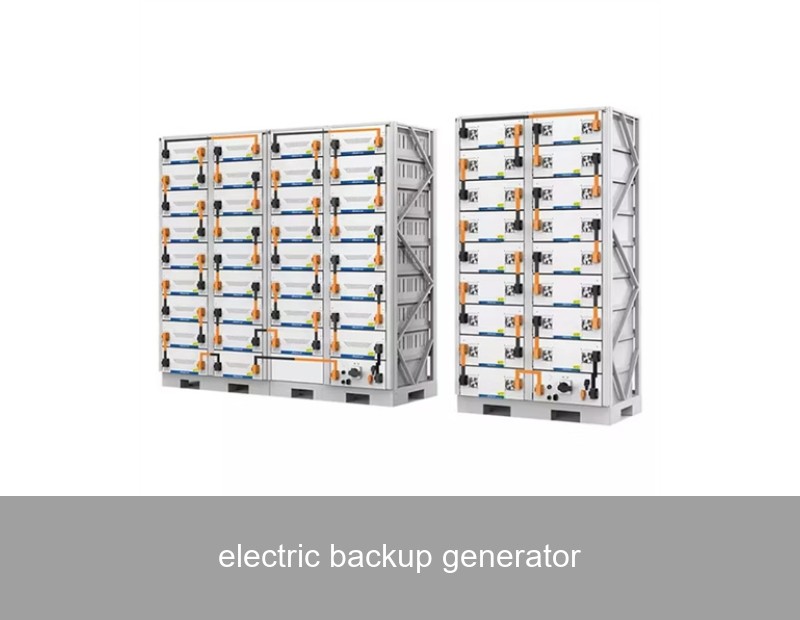
a storm knocks out the grid in your neighborhood. The familiar, jarring silence is broken not by the loud chugging of a gasoline engine, but by a near-instant, silent transfer to backup power. Your lights stay on, your heat runs, and your business operations continue uninterrupted. This isn't a future fantasy—it's the reality offered by modern electric backup generators, specifically advanced battery energy storage systems (BESS). For homeowners and businesses across Europe and the U.S., the quest for reliable backup power is undergoing a profound shift, moving away from fossil-fuel dependence towards intelligent, sustainable, and integrated electrical solutions.
The Silent Shift: From Fuel to Electrons
For decades, the term "backup generator" conjured one image: a large, noisy appliance in the yard that ran on diesel, propane, or natural gas. While effective, these systems come with significant trade-offs: fuel procurement and storage, emissions, maintenance, noise pollution, and a delayed startup time (that infamous few-second lag). The modern electric backup generator—a sophisticated battery storage system—addresses these pain points head-on. It leverages the same lithium-ion technology that powers our devices and electric vehicles, packaged into a smart, grid-interactive home or business energy system.

Image Source: Unsplash - Representative image of a clean energy storage installation.
How a Modern Electric Backup Generator Works
At its core, a battery-based backup system is elegantly simple in function but intelligent in operation. It consists of three main components:
- The Battery Bank: High-density lithium-ion or LiFePO4 (Lithium Iron Phosphate) cells that store electricity from the grid or your solar panels.
- The Hybrid Inverter: The brain of the operation. It manages energy flow—converting DC from the battery or solar panels to AC for your home, and vice-versa for charging. It also automatically detects grid outages.
- The Smart Energy Manager: Software that allows you to monitor, control, and optimize your energy usage and backup preferences via a smartphone app.
During a grid outage, the system performs an uninterruptible power supply (UPS)-style transition, switching your essential or whole-home loads to battery power in milliseconds—so fast that most digital clocks won't even blink.
Key Benefits Over Traditional Generators
Why are consumers and businesses making the switch? The advantages are compelling:
| Feature | Traditional Fuel Generator | Modern Battery Backup System |
|---|---|---|
| Startup Time | 5-30 second delay | Near-instantaneous (<1 second) |
| Noise & Emissions | Loud, produces exhaust fumes | Silent, zero on-site emissions |
| Fuel & Maintenance | Requires fuel storage, regular engine maintenance | No fuel, minimal maintenance |
| Integration with Solar | Limited or none | Seamless; can backup with solar during the day |
| Daily Utility | Sits idle until outage | Can be used daily for bill management (load shifting) |
Furthermore, with volatile energy prices, a battery system isn't just for outages. Through a strategy called "peak shaving" or "load shifting," you can store cheap off-peak or solar energy and use it during expensive peak rate hours, reducing your electricity bill year-round. This dual function as a financial tool and a resilience tool is a game-changer.
A Real-World Case Study: Resilience in Action
Let's look at a concrete example from California, USA, a region prone to Public Safety Power Shutoffs (PSPS) due to wildfire risk. A mid-sized winery in Napa Valley faced crippling losses during these outages, threatening both fermentation processes and tasting room business.
The Solution: They installed a 500 kWh containerized Battery Energy Storage System (BESS) integrated with their existing rooftop solar array. The system was designed to provide critical "island mode" power to their processing facility and visitor center.
The Data-Driven Outcome: During a 48-hour PSPS event in late 2023:
- The system provided 100% backup power to critical loads, maintaining temperature-controlled tanks.
- It kept the tasting room operational, generating an estimated $15,000 in revenue that would have been lost.
- By leveraging solar charging during the day, the system extended its backup duration beyond the base battery capacity.
- In the months before the outage, the system's automated peak-shaving software had already reduced the winery's demand charges by approximately 18%, according to their utility data.
This case illustrates the multi-faceted ROI of a modern electric backup generator: it's not an insurance policy that sits idle, but an asset that delivers daily value and proves indispensable in a crisis. For more on grid resilience strategies, see this report by the National Renewable Energy Laboratory (NREL).
Choosing the Right System for Your Needs
Selecting a system isn't one-size-fits-all. Key considerations include:
- Backup Goals: Do you need to power essential circuits (refrigerator, lights, furnace) or the entire home/business ("whole-home backup")?
- Capacity & Power Rating: Measured in kWh (energy capacity) and kW (power output). Can it handle the simultaneous start of your air conditioner and well pump?
- Solar Readiness: Is the system designed for seamless integration with new or existing solar PV?
- Software & Grid Services: Can the system participate in utility demand response programs for additional savings?
- Scalability: Can you add more battery modules later as your needs evolve?
A professional site assessment and energy audit is crucial to answer these questions accurately.
Highjoule's Role in Powering Resilience
As a global leader in advanced energy storage since 2005, Highjoule is at the forefront of this transition. We understand that a reliable electric backup generator is more than just hardware—it's a integrated energy solution. Our product suites are designed for this new paradigm:
- For Homes (ResiCore Series): Our sleek, wall-mounted systems offer scalable storage from 10 to 30+kWh, featuring seamless solar integration and intelligent energy management. The Highjoule app gives homeowners complete control over their backup profile and energy usage, turning passive consumers into active energy managers.
- For Business & Industry (GridMax Pro Series): These modular, containerized solutions provide from 100 kWh to multi-MWh of storage. They are engineered for critical backup, significant demand charge reduction, and even participation in grid stability programs. The system's software automatically optimizes for the lowest cost and highest resilience, a critical feature for data centers, manufacturers, and commercial facilities.
- For Microgrids: Highjoule's systems form the cornerstone of community and institutional microgrids, combining solar, wind, and storage to create self-sufficient energy islands that can disconnect from the main grid and operate independently.
Our technology is built on a foundation of safety, intelligence, and durability, ensuring that when the grid fails, your power doesn't. Learn more about battery safety standards from the U.S. Department of Energy.

Image Source: Unsplash - Representative image of a utility-scale energy storage installation.
The Future of Backup Power
The convergence of rising grid instability, climate-conscious choices, and smart technology is making the battery-based electric backup generator the default choice for new installations. As vehicle-to-home (V2H) technology matures, your electric car could even become part of your home's backup ecosystem. The line between backup power and everyday energy management is blurring permanently.
So, the question isn't just "How will I power my home or business during the next outage?" The more comprehensive question is: "How can I transform my relationship with energy to achieve greater independence, lower costs, and unwavering reliability—starting today?" What would uninterrupted power allow you to protect or achieve?
 Inquiry
 Online Chat