


Electrical Cabinet Coolers: The Unsung Heroes of Modern Energy Systems
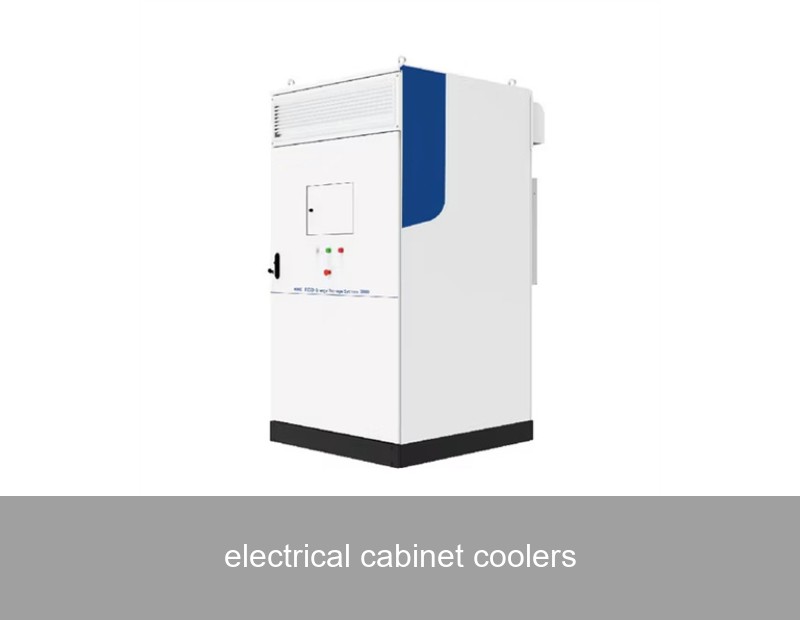
In the bustling heart of a data center or the quiet field of a solar farm, a silent battle against heat is constantly being waged. This isn't about comfort; it's about reliability, efficiency, and the very lifespan of critical equipment. At the core of this battle are electrical cabinet coolers – specialized climate control systems designed to protect sensitive electronics housed in enclosures. For industries relying on power conversion, battery storage, or automated processes, maintaining the optimal temperature inside these cabinets isn't just good practice; it's essential for operational continuity and safety. As a global leader in advanced energy storage, Highjoule understands this intimately. Our intelligent Battery Energy Storage Systems (BESS) and power conversion units generate heat that must be managed precisely, making robust thermal management a cornerstone of our reliable, sustainable power solutions for commercial, industrial, and residential applications.
Table of Contents
- The Silent Threat: Why Electrical Cabinet Heat is a Major Problem
- Beyond the Fan: Types of Electrical Cabinet Coolers
- Choosing the Right Cooler: A Practical Guide
- A Real-World Case: Cooling in a German Solar-Plus-Storage Facility
- The Future of Cabinet Cooling: Smarter and More Integrated
- Highjoule's Integrated Approach to Thermal Management
The Silent Threat: Why Electrical Cabinet Heat is a Major Problem
Let's start with a simple fact: electronics and heat are archenemies. Every component inside an electrical cabinet – from inverter IGBTs and PLCs to battery management system boards – has a rated operating temperature. Exceed it, and you enter a danger zone of accelerated degradation. The phenomenon is well-documented; for every 10°C (18°F) increase in operating temperature above its rating, the failure rate of a semiconductor can double. This isn't a gradual decline; it's an exponential plunge in reliability.
Imagine a commercial-scale battery storage system. The power conversion system (PCS) cabinet, which handles the critical AC/DC conversion, is a significant heat source. Inadequate cooling leads to:
- Reduced Efficiency: Overheated components exhibit higher electrical resistance, wasting energy as even more heat.
- Unexpected Downtime: Component failure in a key cabinet can shut down an entire storage system, leading to financial loss and grid instability.
- Safety Risks: Extreme heat can damage insulation and potentially lead to short circuits or fire hazards.
This is why passive ventilation (simple fans and filters) often falls short, especially in dusty outdoor environments or facilities with high ambient temperatures. It simply exchanges hot, dirty air for slightly cooler, dirty air. That's where dedicated electrical cabinet coolers come in as a non-negotiable solution for mission-critical infrastructure.

An industrial electrical cabinet equipped with a dedicated air conditioner, a common type of electrical cabinet cooler. (Credit: Wikimedia Commons)
Beyond the Fan: Types of Electrical Cabinet Coolers
Not all coolers are created equal. The right choice depends entirely on the environment, the heat load, and the required internal cleanliness. Here’s a breakdown of the primary technologies:
| Cooler Type | How It Works | Best For | Key Consideration |
|---|---|---|---|
| Filtered Fan Packages | Forces ambient air through a filter into the cabinet, creating positive pressure to keep dust out. | Indoor environments with moderate, clean ambient air. | Lowest cost option, but ineffective if ambient air is hotter than the desired internal temperature. |
| Air-to-Air Heat Exchangers | Transfers heat from internal cabinet air to outside ambient air through sealed fins, without mixing the two air streams. | Dusty or humid environments where internal air must be kept clean and dry. | Excellent for sealing cabinets, but cooling capacity is limited by the ambient temperature differential. |
| Air Conditioners (Compressor-Based) | Uses a refrigeration cycle to cool and dehumidify internal air, rejecting heat to the exterior. | High heat loads, hot ambient environments (e.g., solar farms in Arizona or industrial plants), and precise temperature control needs. | Highest cooling capacity and control, but consumes more energy and has more moving parts. |
| Thermoelectric (Peltier) Coolers | Uses electrical current to pump heat from one side of a semiconductor module to the other. | Smaller cabinets with low to moderate heat loads, sensitive electronics requiring vibration-free operation. | Solid-state (no moving refrigerant), compact, but less efficient at high heat loads. |
Choosing the Right Cooler: A Practical Guide
Selecting an electrical cabinet cooler is a calculated engineering decision. Here’s a simplified step-by-step logic:
- Calculate the Heat Load: Sum the heat dissipation (in Watts) of all components inside the cabinet. Don't forget solar radiation gain for outdoor units! This is the most critical number.
- Define the Environment: What is the maximum expected ambient temperature and contamination level (dust, oil, salt mist)?
- Set Internal Targets: Determine the maximum internal temperature and required IP (Ingress Protection) rating for the cabinet.
- Match Technology: Use the table above. High heat load + hot ambient = Air Conditioner. Moderate load + dirty environment = Heat Exchanger.
- Plan for Redundancy: For 24/7 critical systems, consider a redundant cooler setup to avoid a single point of failure.
A Real-World Case: Cooling in a German Solar-Plus-Storage Facility
Let's look at a concrete example from our target market. A 2022 installation in Bavaria, Germany, involved a 500 kW/1 MWh Highjoule BESS coupled with a 750 kWp solar PV array. The challenge? The containerized battery system and its accompanying PCS cabinets were located in an open field, subject to summer temperatures up to 35°C (95°F) and significant seasonal dust.
The Problem: The client's initial plan used only filtered fans for the PCS cabinets. Thermal modeling showed that on peak summer days with full inverter load, internal temperatures would exceed 50°C (122°F), dangerously close to component derating points and threatening the system's 20-year lifespan guarantee.
The Highjoule Solution: Our engineering team specified and integrated robust, NEMA 4-rated air conditioner units for each major power cabinet. These units were designed to maintain an internal temperature of 35°C (95°F) even at 45°C (113°F) ambient, with a significant safety margin.
The Data-Driven Outcome: After one full year of operation, monitoring data revealed:
- Peak internal cabinet temperature never exceeded 33°C (91.4°F).
- Inverter efficiency remained stable at 98.5% during peak output, with no heat-related derating.
- Zero downtime attributed to thermal issues, contributing to a system availability of 99.2%.
This case underscores that proper thermal management isn't an accessory; it's integral to achieving the promised performance and return on investment for energy assets. The electrical cabinet coolers were a minor cost compared to the value of protected, continuously operating equipment.
The Future of Cabinet Cooling: Smarter and More Integrated
The trend is clear: cooling is getting smarter. The next generation of electrical cabinet coolers features IoT connectivity and adaptive control. Imagine a cooler that can:
- Predictively adjust its setpoint based on forecasted weather and scheduled load from the grid.
- Integrate with the facility's overall energy management system to reduce cooling power consumption during peak tariff hours, without compromising safety.
- Perform self-diagnostics and alert maintenance teams of filter clogging or performance degradation before a failure occurs.
This intelligent approach aligns perfectly with the philosophy behind Highjoule's Energy Management Platform, which optimizes not just storage dispatch, but the holistic performance of the entire energy asset, including auxiliary systems like cooling.
Highjoule's Integrated Approach to Thermal Management
At Highjoule, we don't view electrical cabinet coolers as an afterthought. For our containerized BESS solutions and custom power electronics skids, thermal management is a core design criterion from day one. Our engineering process includes computational fluid dynamics (CFD) modeling to simulate airflow and heat distribution, ensuring we specify the right cooling technology, size, and placement for each unique project.
For our commercial and industrial clients, this means:
- Guaranteed Performance: Our systems are designed to deliver full rated power across the contractually specified ambient temperature range.
- Enhanced Lifespan: By keeping critical components like inverters and controllers within their ideal thermal window, we directly support the long-term durability and value retention of your energy asset.
- Total Solution Ownership: When you work with Highjoule, the cooling system is an integrated, warrantied part of the whole. You have a single point of contact for performance, not a puzzle of separate mechanical and electrical vendors.
Whether it's a solar-plus-storage microgrid or a fleet of residential Highjoule HomePower units, the principle is the same: intelligent design ensures every component, down to the cabinet cooler, works in harmony for reliable, sustainable power.

A containerized Battery Energy Storage System (BESS) like those from Highjoule requires integrated thermal management for both the battery racks and the power conversion cabinets. (Credit: Unsplash)
Your Thermal Management Strategy
We've explored the critical role of electrical cabinet coolers, from basic principles to real-world data. The evidence is compelling: proactive thermal management is a cornerstone of operational excellence in modern energy systems. So, here's a question to consider for your own operations: When was the last time you audited the thermal performance of your critical electrical enclosures, and are you confident your current strategy is future-proofed for both rising ambient temperatures and increasing power densities?
 Inquiry
 Online Chat