


Telecom Battery Backup Systems: The Unsung Heroes of Network Reliability
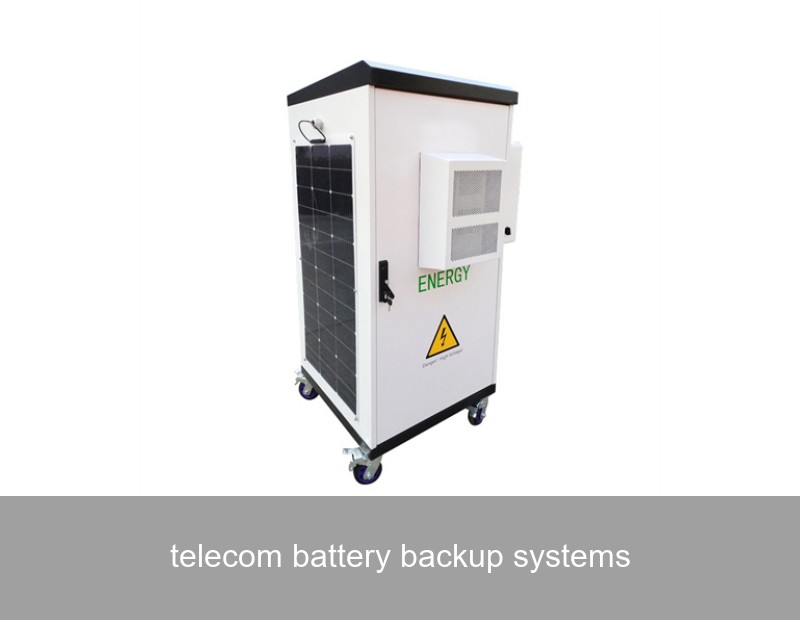
Have you ever wondered what keeps your mobile signal strong and your internet connection alive during a storm or a power flicker? Behind every cell tower and network hub lies a critical, often overlooked component: the telecom battery backup system. These systems are the silent guardians of our connected world, ensuring that communication never fails, even when the grid does. For telecom operators, a reliable backup isn't just about convenience; it's a fundamental requirement for service level agreements, public safety, and business continuity. As networks evolve towards 5G and beyond, and as extreme weather events become more frequent, the demand for smarter, more resilient, and sustainable power solutions is skyrocketing. This is where modern energy storage steps in, transforming backup power from a simple emergency stopgap into an intelligent asset.
Table of Contents
- The Silent Crisis: Why Grid Power Isn't Enough
- The Evolution of Backup: From Lead-Acid to Lithium-Ion & Beyond
- Key Components of a Modern Telecom Battery Backup System
- A Real-World Case Study: Ensuring Connectivity in California's Fire Country
- Future-Proofing Networks: Trends Shaping the Next Generation of Backup
- Choosing the Right Partner for Your Network's Resilience
The Silent Crisis: Why Grid Power Isn't Enough
Think about the last major storm in your area. The lights probably went out for some, but your phone likely stayed connected. That's telecom backup at work. The vulnerability is real: a 2021 report by the U.S. Department of Energy highlighted that weather-related power outages have increased by roughly 67% since 2000. In Europe, grid stability concerns and the energy transition add further complexity. For a telecom site, even a few minutes of downtime can result in significant revenue loss and erode customer trust. The phenomenon is clear—our reliance on seamless connectivity is absolute, yet the grid it depends on is increasingly exposed.
The data paints a stark picture. A typical macro cell site can consume between 1.5kW to 5kW of power. Without backup, a single outage affecting hundreds of sites can disrupt communication for millions. The financial implications are severe, with downtime costs for telecom services often estimated in the tens of thousands of dollars per hour. This isn't just a technical issue; it's a business-critical, community-safety imperative. The old model of using bulky, short-lived lead-acid batteries is struggling to meet these new challenges, creating a pressing need for a technological leap.
The Evolution of Backup: From Lead-Acid to Lithium-Ion & Beyond
For decades, the telecom industry relied almost exclusively on Valve-Regulated Lead-Acid (VRLA) batteries. They were the known, affordable solution. However, their limitations are now major liabilities in a modern network:
- Short Lifespan & Frequent Replacement: VRLA batteries typically last 3-5 years in demanding cycling conditions, leading to high operational and replacement costs.
- Bulk & Weight: They require more space and heavier floor loading, a critical issue for urban sites or tower-top applications.
- Limited Depth of Discharge: Regularly discharging them beyond 50% drastically shortens their life.
- Maintenance Intensive: They require regular monitoring of voltage and temperature, and careful air-conditioning, increasing energy overhead.
The shift to Lithium-ion (Li-ion) chemistry has been a game-changer. Li-ion batteries for telecom offer a longer lifespan (10+ years), higher energy density (saving up to 70% space and weight), and can handle deeper discharges without damage. But the innovation doesn't stop there. At Highjoule, we've built on this foundation by integrating advanced Battery Management Systems (BMS) and thermal controls directly into our Highjoule H-Series Telecom ESS. This isn't just a battery; it's an intelligent power module that communicates with the site controller, optimizing performance, predicting maintenance, and ensuring safety under the harshest conditions.

Image Source: Unsplash (Representative image of a compact telecom battery system)
Key Components of a Modern Telecom Battery Backup System
A state-of-the-art system is an integrated ecosystem. It's crucial to understand the parts that make up this vital whole:
| Component | Primary Function | Highjoule's Advanced Approach |
|---|---|---|
| Battery Bank (Energy Core) | Stores electrical energy for discharge during outages. | Utilizes Li-ion NMC or LFP chemistry in our H-Series, with modular design for scalable capacity from 5kWh to hundreds of kWh. |
| Battery Management System (BMS) | The "brain" that monitors cell voltage, temperature, and state of charge for safety and longevity. | Features a multi-layer, intelligent BMS with real-time data reporting and predictive analytics for proactive health management. |
| Power Conversion System (PCS) | Converts AC grid power to DC for charging the batteries, and DC from batteries to AC for the load. | Our systems are designed to seamlessly interface with existing rectifiers and inverters, ensuring high conversion efficiency (>96%). |
| Environmental Control | Manages the operating temperature of the batteries. | Integrated passive and active thermal management extends battery life across a wide -20°C to 50°C ambient range, reducing HVAC dependency. |
| Remote Monitoring & Control | Provides visibility and control over the system's status from a network operations center. | Highjoule's iPower Cloud Platform offers a dashboard for monitoring state-of-health, energy throughput, and receiving alerts, enabling remote, centralized management of thousands of sites. |
A Real-World Case Study: Ensuring Connectivity in California's Fire Country
The theory of resilient backup is proven in the face of real-world adversity. Consider the challenge faced by a regional telecom operator in Northern California, an area prone to Public Safety Power Shutoffs (PSPS) implemented by utilities to prevent wildfires. These proactive outages could last for days, threatening network availability across vast rural and suburban areas.
The Problem: The operator's critical cell sites relied on aging VRLA batteries and diesel generators. The batteries often couldn't last through long outages, while generators posed fuel logistics issues, noise, emissions, and maintenance burdens.
The Highjoule Solution: The operator partnered with Highjoule to deploy a phased rollout of our H-Series Lithium-ion ESS with integrated generator control at over 50 high-priority sites. Each system was sized for a minimum of 12 hours of backup capacity at full load, with the intelligence to prioritize power to critical radio equipment and extend runtime by shedding non-essential loads.
The Data-Driven Outcome: During the subsequent fire season, these upgraded sites experienced multiple PSPS events. The data collected was compelling:
- 100% Uptime: All Highjoule-backed sites maintained continuous operation through outages lasting up to 18 hours.
- Fuel Savings: Generator runtime was reduced by over 60%, slashing fuel delivery costs and carbon emissions.
- Remote Confidence: The network team used the iPower Cloud Platform to see real-time state-of-charge across all sites, making informed decisions without dispatching crews.
This case exemplifies how a modern telecom battery backup system moves beyond mere compliance to become a strategic tool for operational efficiency and guaranteed service.
Future-Proofing Networks: Trends Shaping the Next Generation of Backup
The role of backup power is expanding from passive insurance to an active grid asset. Two powerful trends are driving this:
1. Hybrid Systems and Renewable Integration
Forward-thinking operators are combining solar PV with battery storage at off-grid and edge sites. The battery bank no longer just backs up the grid; it stores surplus solar energy for use at night or during cloudy periods, enabling truly sustainable off-grid sites. Highjoule's systems are designed for such hybrid applications, with charge controllers and logic that seamlessly manage multiple energy sources.
2. Grid Services and Energy Cost Optimization
In a world of volatile energy prices, why should a backup battery sit idle 99% of the time? Advanced systems can now participate in grid services like frequency regulation or engage in peak shaving. During periods of high grid demand and high electricity prices, the site can draw from its batteries, reducing costly demand charges. This turns a capex item into a potential revenue stream or cost-saving asset. You can explore how grid operators view this potential in a report by the National Renewable Energy Laboratory (NREL).

Image Source: Unsplash (Representative image of a telecom site with solar integration)
Choosing the Right Partner for Your Network's Resilience
Selecting a telecom battery backup system is a long-term strategic decision. It's not just about buying batteries; it's about choosing a technology partner who understands the unique demands of telecommunications. Here’s what to look for:
- Proven Reliability & Safety: Demand certifications (UL, IEC, etc.) and a track record in field deployments.
- System Intelligence: The BMS and software platform are as important as the cells themselves.
- Scalability & Flexibility: Solutions should grow with your needs, from small cell to large data hub applications.
- Lifecycle Support: Look for comprehensive warranties, remote monitoring services, and a clear end-of-life plan.
With nearly two decades of experience since 2005, Highjoule has dedicated itself to mastering these challenges. We don't just supply products; we deliver comprehensive, intelligent power solutions. From initial site audit and design through to installation, commissioning, and 24/7 monitoring via our iPower Cloud Platform, we partner with telecom operators globally to harden their infrastructure, reduce their total cost of ownership, and embrace a more sustainable energy profile.
As you look at your network's roadmap—be it 5G densification, edge computing, or simply achieving unmatched reliability—what role should your backup power strategy play in creating not just a resilient network, but a smarter and more profitable one?
 Inquiry
 Online Chat