


Energía Eléctrica Almacenada: The Silent Guardian of Our Clean Energy Future
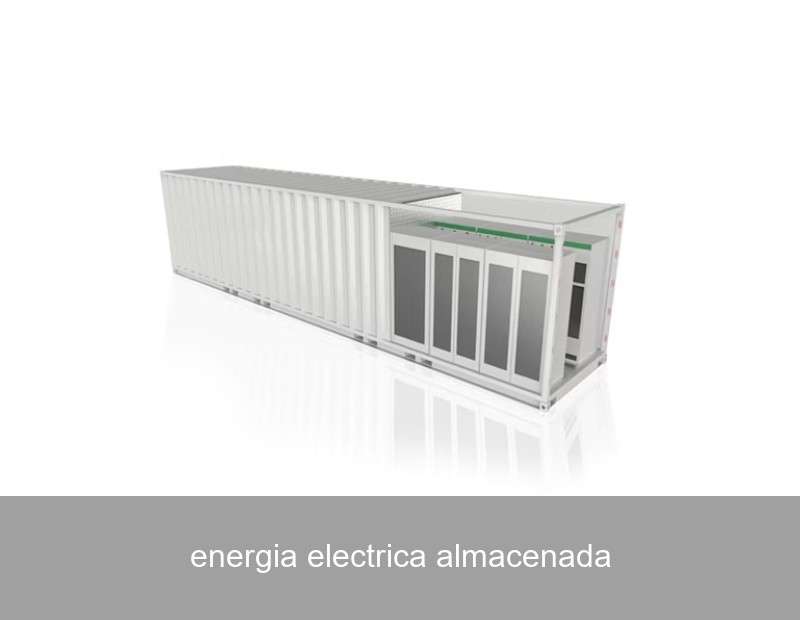
Imagine a world where the sun doesn't shine at night, and the wind takes an occasional day off. Now, imagine your home, business, or factory running on 100% renewable power seamlessly, regardless. This isn't a paradox; it's the reality made possible by energía eléctrica almacenada—stored electrical energy. It's the missing link in our clean energy puzzle, transforming intermittent sources like solar and wind into reliable, on-demand power. For nearly two decades, at Highjoule, we've been at the forefront of this silent revolution, engineering intelligent storage systems that don't just hold power but actively manage and optimize it for a sustainable future.
What is Stored Electrical Energy (Energía Eléctrica Almacenada)?
At its core, energía eléctrica almacenada is exactly what it sounds like: capturing electricity at one time for use at a later time. Think of it as a "energy time machine." But in practice, it's a sophisticated symphony of technology that enables grid resilience, energy independence, and maximizes the value of every kilowatt-hour generated. It's the buffer that balances supply and demand in real-time.
The principle is ancient, but today's technologies are cutting-edge. The most common form is battery energy storage, particularly using lithium-ion chemistries, which have seen dramatic cost reductions and performance improvements. However, the ecosystem also includes other technologies like pumped hydro, flywheels, and thermal storage, each serving different scales and durations.
Why Energy Storage Matters Now More Than Ever
Let's talk about the phenomenon first. Across Europe and the U.S., grids are experiencing growing pains. We're adding vast amounts of variable renewable generation, phasing out traditional fossil-fuel baseload plants, and electrifying everything from vehicles to heating. This creates a double challenge: managing massive surges of excess solar power at midday and ensuring lights stay on during calm, cloudy evenings.
Now, for the data. The U.S. Energy Information Administration (EIA) projects that battery storage capacity will grow significantly in the coming years, crucial for grid reliability. In Europe, the European Association for Storage of Energy (EASE) estimates that to meet its 2030 climate targets, the EU needs approximately 200 GW of energy storage, a monumental leap from current levels. The numbers don't lie—storage is no longer a luxury; it's an infrastructure imperative.

Image Source: Unsplash - A modern battery energy storage system (BESS) installation at a solar farm.
The Technology Behind the Modern Grid
So, how does a modern battery energy storage system (BESS) actually work? It's far more than just a box of batteries. Let's break it down:
- Battery Cells & Modules: The fundamental building blocks, typically lithium-ion, known for high energy density and efficiency.
- Battery Management System (BMS): The "brain" of the battery pack. It monitors voltage, temperature, and state of charge to ensure safety, longevity, and performance.
- Power Conversion System (PCS): The critical translator. It converts the battery's direct current (DC) into the alternating current (AC) used by the grid and buildings, and vice-versa.
- Energy Management System (EMS): The master strategist. This software-based controller decides when to charge, when to discharge, and at what power level, based on economics, grid signals, or operational needs.
This is where companies like Highjoule differentiate. We don't just supply components; we deliver fully integrated, intelligent storage solutions. Our H-Series Commercial & Industrial (C&I) systems and GridMAX utility-scale platforms come with our proprietary Adaptive Core™ EMS. This system doesn't just react—it learns from energy usage patterns, weather forecasts, and real-time electricity prices to make autonomous decisions that maximize financial return and system stability.
A Real-World Case Study: Stability in Spain
Let's move from theory to a tangible example. Southern Spain enjoys abundant sunshine but has regions where the grid can be constrained. A major agricultural cooperative in Andalusia faced two problems: volatile energy costs that cut into profits and occasional grid instability that risked damaging sensitive refrigeration equipment for their produce.
Highjoule deployed a 1.2 MWh H-Series C&I storage system, integrated with their existing 800 kW solar PV array. The system was programmed for dual purposes: peak shaving (storing solar energy to use during expensive evening peak hours) and voltage frequency support.
| Metric | Before Highjoule BESS | After Highjoule BESS (12-month period) |
|---|---|---|
| Peak Demand Charges | €52,000 annually | Reduced by 68% |
| Solar Self-Consumption | ~40% | Increased to 92% |
| Grid Reliability Events | 4-5 minor disruptions/year | 0 (system provided ride-through) |
| Payback Period | N/A | Estimated 4.2 years |
This case exemplifies the multi-faceted value of energía eléctrica almacenada. It's not just about backup; it's about economic optimization and becoming an active, stabilizing participant in the local energy network.
Thinking Beyond the Battery: Intelligent Systems
The real magic happens when storage is part of a broader intelligent ecosystem. For a residential customer, this might mean a Highjoule HomeHub system that pairs solar, storage, and an EV charger, allowing a homeowner to power their car with sunshine captured during the day. For a microgrid on a remote island or industrial campus, it involves orchestrating diesel generators, renewables, and large-scale storage into a resilient, cost-effective system using our GridMAX controllers.
The insight here is simple: the battery is the muscle, but the intelligence is the brain. The future of energy is not in single technologies, but in their seamless, software-driven integration. This approach is what allows us to tackle complex challenges, from integrating high penetrations of renewables as studied by the National Renewable Energy Lab (NREL), to simply giving a family peace of mind during a storm.

Image Source: Unsplash - A residential energy storage system integrated with home solar.
Choosing the Right Storage Solution for Your Needs
Whether you're a homeowner, a factory manager, or a utility planner, the considerations for implementing energía eléctrica almacenada follow a similar logic ladder:
- Identify Your Primary Goal: Is it bill savings (arbitrage, peak shaving), resilience (backup power), or grid services (frequency regulation)?
- Analyze Your Energy Profile: Look at your load curves, solar generation patterns, and utility rate structure. This defines the required power (kW) and energy (kWh) capacity.
- Evaluate Technology & Integration: Consider battery chemistry (LFP is becoming a safety and longevity standard), round-trip efficiency, and how well the system integrates with existing or planned assets.
- Prioritize Intelligence & Service: Choose a provider that offers robust, user-friendly management software and reliable long-term service and warranty support.
At Highjoule, our process begins with this very conversation. We work with partners and clients to analyze, model, and design a system that fits their unique technical and financial landscape, ensuring the stored electrical energy solution delivers tangible value from day one.
As you look at your own energy bills, sustainability goals, or operational reliability, what would be the first challenge you'd want energía eléctrica almacenada to solve for you?
 Inquiry
 Online Chat