


How Much Do Energy Systems Really Cost? A Transparent Breakdown for Home and Business
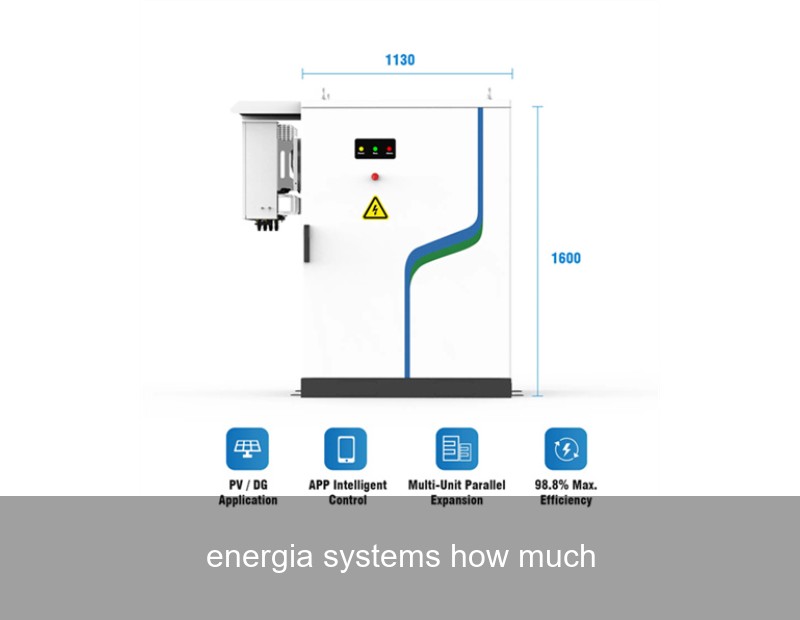
If you're looking into solar panels or a battery for your home or business, you've probably typed a version of "energy systems how much?" into a search engine. It's the most natural first question, but the answer is rarely a single number. The cost of a modern energy system isn't just about the upfront price tag; it's an investment in long-term energy independence, resilience, and predictable costs. This article will cut through the complexity, providing a clear framework to understand the true value of solar, storage, and integrated energy solutions.
Table of Contents
- The Phenomenon: From Simple Bills to Complex Energy Portfolios
- Breaking Down the Costs: Components of a Modern Energy System
- The Data Story: It's About ROI, Not Just Price
- A Real-World Case: The German Bakery Embracing Energy Independence
- Beyond the Price Tag: The Intangible Value of a Smart System
- How Highjoule Tailors Solutions to Maximize Your Investment
- Your Next Step: Reframing the Question
The Phenomenon: From Simple Bills to Complex Energy Portfolios
Gone are the days when energy was a passive, monthly bill. Forward-thinking homeowners and businesses are now active prosumers—both producing and consuming energy. The driving forces? Soaring and volatile electricity prices, increasing grid instability, and a genuine desire for sustainable operations. The initial sticker shock of an energy system can be daunting, but the real story unfolds over the 20-30 year lifespan of the technology. Think of it not as a cost, but as locking in your future energy rate and building a shield against blackouts.
Breaking Down the Costs: Components of a Modern Energy System
To answer "energy systems how much?" effectively, we need to dissect the key components. A comprehensive system often includes:
- Photovoltaic (PV) Solar Panels: The fuel source. Costs vary by panel efficiency, brand, and installation complexity (roof type, mounting).
- Battery Energy Storage System (BESS): The heart of independence. This is where brands like Highjoule differentiate themselves. Our H-Joule Cell batteries use advanced lithium iron phosphate (LFP) chemistry for superior safety, longevity (over 6,000 cycles), and stable performance.
- Hybrid Inverter/System Controller: The brain. This device manages energy flow between solar panels, batteries, the grid, and your home's circuits. Highjoule's Smart Energy Hub intelligently prioritizes self-consumption, can island your home during outages, and participates in grid services where available.
- Balance of System (BOS): Wiring, switches, monitoring hardware, and software.
- Installation & Permitting: Labor costs and local permit fees, which vary significantly by region (e.g., California vs. Germany).

Image Source: Unsplash - Professional installation is a critical component of system cost and long-term reliability.
The Data Story: It's About ROI, Not Just Price
Let's talk numbers. According to the National Renewable Energy Laboratory (NREL), the average installed cost for residential solar PV in the U.S. has fallen by over 50% in the last decade. However, adding storage adds to the initial investment. The key metric is Levelized Cost of Energy (LCOE)—the average cost per kWh over the system's life.
For example, while grid electricity in parts of Europe may cost €0.35-0.45/kWh and is rising, the LCOE for a solar+storage system can be below €0.20/kWh. The payback period—the time it takes for savings to equal the investment—is now often between 6-10 years for a robust system. After that, you have essentially free electricity for the system's remaining life.
A Real-World Case: The German Bakery Embracing Energy Independence
Consider "Bäckerei Schmidt," a mid-sized bakery in Bavaria with high, consistent energy use for ovens and refrigeration. Their challenge: high time-of-use rates and the risk of production halts during grid outages.
- Phenomenon: Unpredictable energy costs threatening profit margins.
- Action: Installed a 50 kWp solar array coupled with a 120 kWh Highjoule Industrial Stack battery system.
- Solution & Data: The system was designed to cover 75% of their annual load. They use solar during the day, charge batteries at night with low-cost grid power, and use stored energy during expensive peak afternoon hours (a process called peak shaving).
- Result: Their energy bill was reduced by 68% in the first year. The system also provides seamless backup power for critical refrigeration, preventing spoilage. The investment payback is calculated at 7.2 years, thanks in part to Highjoule's high system efficiency (>94% round-trip) which minimizes energy loss.
Beyond the Price Tag: The Intangible Value of a Smart System
Financial payback is only part of the equation. A modern energy system from a provider like Highjoule delivers value that doesn't appear on a simple invoice:
| Value Dimension | Description | Impact |
|---|---|---|
| Resilience | Uninterruptible power during grid failures. | Business continuity, safety, comfort. |
| Energy Security | Protection from volatile fossil fuel markets. | Predictable operational costs. |
| Sustainability | Direct reduction in carbon footprint. | Brand enhancement, compliance with ESG goals. |
| Grid Support | Potential for revenue through grid service programs (e.g., frequency regulation). | New income stream (in some markets). |
How Highjoule Tailors Solutions to Maximize Your Investment
Founded in 2005, Highjoule understands that "how much" is deeply personal. We don't sell generic boxes; we engineer tailored power solutions. Our process begins with a detailed energy analysis of your property or facility. Using this data, our design team models different configurations of our H-Joule Cell batteries and Smart Energy Hub to optimize for your specific goals: maximum self-consumption, critical backup, or peak shaving.
For commercial and microgrid applications, our Industrial Stack systems are modular and scalable. You can start with a foundation and expand storage capacity as your needs grow, protecting your initial investment. This flexibility, combined with our 15-year performance warranty, ensures your energy system is a robust, long-term asset, not just an expense.

Image Source: Unsplash - Scalable battery systems allow businesses to grow their storage capacity over time.
Your Next Step: Reframing the Question
So, instead of just asking "energy systems how much?", the more powerful questions are: "How much can I save over the next 25 years?" and "What is the cost to my home or business of *not* having a reliable, independent power source?"
The landscape of energy is shifting from a commodity to a managed asset. With the right partner and technology, the investment in an energy system becomes one of the most strategic and value-generating decisions you can make for your property's future.
What specific energy challenge—be it a soaring monthly bill, a critical need for backup power, or a sustainability target—would you want a modern energy system to solve first?
 Inquiry
 Online Chat