


Energy Protection Systems: Your Shield Against Modern Grid Instability
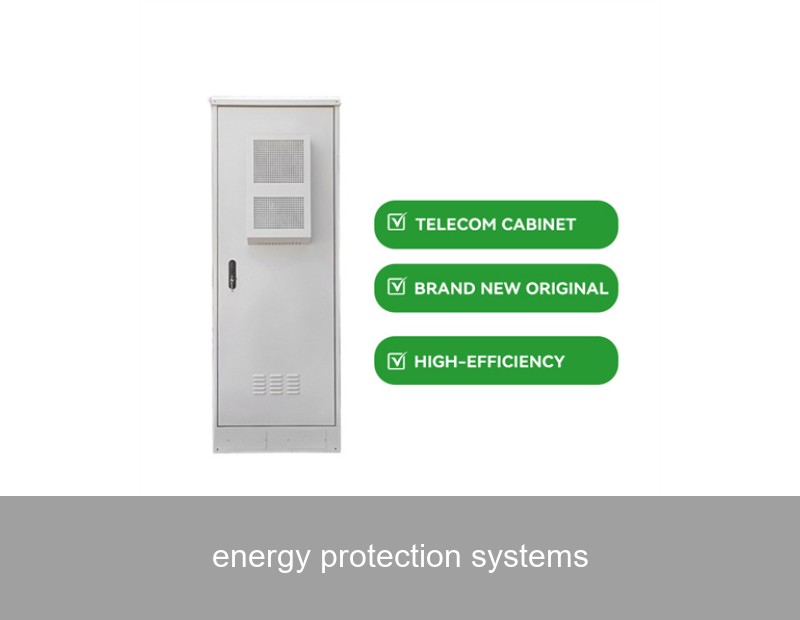
Have you ever experienced that frustrating moment when the lights flicker and your computer reboots, erasing precious work? Or perhaps you've seen the news reports about rolling blackouts during heatwaves or after severe storms. These aren't just minor inconveniences; they are symptoms of a larger, global challenge facing our electrical grids. This is where robust energy protection systems transition from a luxury to an absolute necessity. More than just backup generators, these intelligent systems are the integrated shield that safeguards operations, finances, and continuity in our increasingly electrified and unpredictable world. For businesses and homeowners in Europe and the US, understanding this technology is the first step toward true energy resilience.
Table of Contents
- The Phenomenon: A Grid Under Pressure
- The Data: The Cost of Inaction
- The Core: What Are Modern Energy Protection Systems?
- The Case Study: A European Manufacturing Plant
- The Highjoule Solution: Intelligent Protection for Every Need
- The Future of Protection: Beyond the Battery
The Phenomenon: A Grid Under Pressure
Our century-old centralized grid model is being stretched in two opposing directions. On one hand, demand is soaring due to electric vehicles, data centers, and digitization. On the other, the transition to renewable energy—a critical and positive shift—introduces natural variability. Solar doesn't produce at night, and wind can be intermittent. This can lead to frequency fluctuations and localized instability. Couple this with aging infrastructure and more frequent extreme weather events, and you have a perfect storm for power disturbances. The result? Increased occurrences of sags, surges, micro-outages, and prolonged blackouts that threaten everything from household food spoilage to halted production lines worth millions.

Image: Modern electrical grids face complex challenges. Source: Unsplash
The Data: The Cost of Inaction
Let's talk numbers, because they tell a compelling story. According to a report by the U.S. Department of Energy, power outages cost the American economy an estimated $150 billion annually. In Europe, a single large-scale blackout can incur costs in the order of hundreds of millions of euros per hour for national economies. For an individual business, the cost isn't just lost production time. It includes:
- Data Corruption & IT Damage: Sudden shutdowns can destroy sensitive equipment and corrupt data.
- Product & Material Loss: Spoiled inventory in cold storage, ruined batches in manufacturing.
- Idle Labor: Paying staff who cannot work.
- Contractual Penalties: Missing just-in-time delivery windows.
- Reputational Harm: Eroding customer trust due to unreliable service.
Investing in an energy protection system is, fundamentally, a risk mitigation strategy with a clear and calculable return on investment.
The Core: What Are Modern Energy Protection Systems?
Gone are the days when "protection" meant a loud diesel generator that kicks in after the power is already gone. Today's integrated energy protection systems are proactive, silent, and smart. Think of them as a sophisticated immune system for your electrical infrastructure. They consist of several key components working in harmony:
- Advanced Battery Energy Storage System (BESS): The heart of the system. High-performance lithium-ion batteries (like LiFePO4 for safety and longevity) store energy for immediate use.
- Intelligent Inverter/Converter: The brain. This device manages power flow, converting DC from batteries or solar panels to usable AC, and vice-versa, while maintaining perfect grid synchronization.
- Power Management Software: The nervous system. This AI-driven platform monitors grid health, predicts usage patterns, and autonomously decides when to store, discharge, or conserve energy to maximize protection and savings.
- Renewable Integration (Optional but Recommended): On-site solar PV or wind. This turns the system from a defensive shield into an offensive strategy, allowing you to generate and store your own clean energy, further insulating you from price spikes.
| Threat | Traditional Generator Response | Modern Energy Protection System Response |
|---|---|---|
| 2-Second Voltage Sag | Does not activate; equipment crashes. | Instantly (within milliseconds) injects power to bridge the gap, preventing any disruption. |
| 4-Hour Blackout | Starts after ~10-30 seconds, runs on noisy, polluting diesel. | Seamlessly takes over within 20ms, powers critical loads silently from batteries, can integrate solar to extend runtime. |
| Time-of-Use Rate Spike | No benefit; consumes fuel. | Uses stored energy to avoid buying expensive grid power, cutting your bill automatically. |
The Case Study: A European Manufacturing Plant
Let's look at a real-world example. A precision automotive parts manufacturer in Bavaria, Germany, faced recurring micro-outages and voltage dips from the grid. These events, often lasting less than a second, were causing sensitive CNC machines to fault, resulting in scrapped components and hours of recalibration downtime. Their annualized loss was estimated at €280,000.
Their solution was a tailored energy protection system. The system centered on a 500 kWh containerized BESS with a 250 kW inverter, integrated with their existing rooftop solar PV. The results were transformative:
- 100% Elimination of production downtime due to grid disturbances.
- €280,000 Saved annually in avoided scrap and downtime.
- 15% Reduction in overall energy costs via solar self-consumption optimization and peak shaving.
- 200 Tonnes of CO2 emissions avoided annually by maximizing clean solar usage.
The system paid for itself in under three years. Now, the plant manager sleeps soundly during thunderstorms, knowing the production line is protected.
The Highjoule Solution: Intelligent Protection for Every Need
At Highjoule, with nearly two decades of expertise since 2005, we don't just sell hardware; we deliver comprehensive energy resilience. Our systems are designed to be the most reliable component in your infrastructure—one you rarely think about because it just works.
For Commercial & Industrial clients, our HI-Power Series offers modular, scalable battery storage from 100 kWh to multi-megawatt installations. Coupled with our EnergyOS software platform, it provides seamless grid buffering, demand charge management, and renewable integration. For Residential homeowners seeking independence, the HI-Home Vault is an all-in-one unit that pairs beautifully with rooftop solar, ensuring your lights, Wi-Fi, and security systems stay on.
Our signature is the HI-Microgrid Controller, the cornerstone for campus or community-scale energy protection systems. It can island a facility from the main grid during an outage, forming a self-sustaining microgrid powered by solar, storage, and sometimes backup generators, prioritizing power to critical loads like hospitals, refrigeration, or server rooms.

Image: Industrial-scale battery storage system for maximum protection. Source: Unsplash
Why Choose Highjoule?
- Proven Track Record: Over 5,000 installations across 3 continents.
- Technology Agnostic Design: We integrate with your existing solar, wind, or generator assets.
- 24/7 Global Monitoring & Support: Our team proactively monitors system health, often diagnosing issues before you're aware of them.
- Future-Proof Architecture: Our software receives regular updates, ensuring your system gets smarter over time.
The Future of Protection: Beyond the Battery
The next frontier for energy protection is predictive grid interaction. Imagine a system that doesn't just react to an outage but anticipates it. By analyzing weather data, grid frequency trends, and utility notifications, future systems will pre-charge batteries to 100% ahead of a predicted storm or pre-cool a building before a grid emergency event. Furthermore, with vehicle-to-grid (V2G) technology on the horizon, your electric fleet could become an integral part of your facility's protection strategy. The line between consumer and grid participant is blurring, and the most resilient organizations will be those that embrace this active role.
Is your current "protection plan" simply hoping the grid holds up, or are you ready to take control with an intelligent system that protects, saves, and even earns revenue? What would absolute power reliability allow you to achieve or create that feels too risky to attempt today?
 Inquiry
 Online Chat