


Energy Storage Cabinet On Grid: The Smart Heart of Modern Power Management
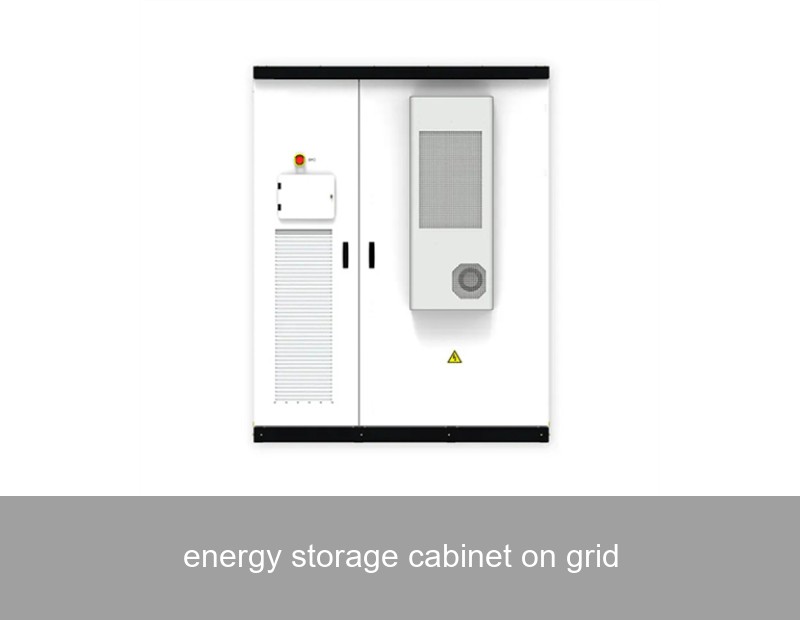
Have you ever wondered how businesses and communities are harnessing renewable energy not just when the sun shines or the wind blows, but around the clock? The answer increasingly lies in a sophisticated, often cabinet-sized unit seamlessly integrated into the electrical grid: the on-grid energy storage cabinet. This technology is quietly revolutionizing how we generate, store, and consume electricity, moving us from passive consumption to active, intelligent energy management. For facility managers, business owners, and utilities, understanding this technology is key to unlocking resilience, sustainability, and significant cost savings.
Table of Contents
What is an On-Grid Energy Storage Cabinet?
An on-grid energy storage cabinet is a complete, containerized system that stores electrical energy, typically from renewable sources like solar PV, and interfaces directly with the public utility grid. Unlike off-grid systems designed for total independence, on-grid systems are collaborative. They consist of high-density battery racks (often using Lithium Iron Phosphate or LFP chemistry for safety and longevity), a bi-directional inverter, a sophisticated battery management system (BMS), thermal management, and safety components—all housed in a sleek, self-contained cabinet. Companies like Highjoule have refined this concept, offering smart, plug-and-play solutions that integrate effortlessly with existing infrastructure. Since 2005, Highjoule has been at the forefront, providing intelligent energy storage cabinet on grid solutions for commercial, industrial, and utility-scale applications globally, ensuring that clean energy is available precisely when and where it's needed most.

Image Source: Unsplash - Representative image of industrial energy storage
How It Works: More Than Just a Big Battery
Think of the energy storage cabinet on grid as the brain and battery of your energy ecosystem. Its operation is a continuous, intelligent dance with the grid:
- Energy Charging: During periods of high renewable generation (sunny afternoons) or low grid electricity costs (off-peak hours), the system charges its batteries.
- Discharging & Optimization: When energy is expensive (peak evening hours) or during a grid outage, the system dispatches stored power. The core intelligence lies in its software, which can be programmed for various use cases like peak shaving, load shifting, or backup power.
- Grid Services: Advanced systems can provide frequency regulation or voltage support to the local grid, turning a cost center into a potential revenue stream.
Highjoule's systems, for instance, are powered by their proprietary ENERGY OS™, a platform that uses AI-driven algorithms to predict energy usage patterns and optimize every charge/discharge cycle for maximum financial and operational return.
Key Benefits for Commercial & Industrial Users
The shift towards on-grid storage isn't just about being green—it's a strategic financial decision. Here’s what a robust on-grid energy storage cabinet delivers:
| Benefit | Description | Impact |
|---|---|---|
| Peak Shaving / Demand Charge Reduction | Cuts power draw from the grid during short periods of highest demand. | Can reduce electricity bills by 20-40% by minimizing demand charges, which often constitute a large portion of commercial bills. |
| Energy Arbitrage (Load Shifting) | Stores cheap energy (e.g., night rate/solar) for use during expensive peak times. | Flattens energy costs and maximizes ROI on solar PV installations. |
| Backup Power & Resilience | Provides seamless, instantaneous power during grid outages. | Prevents data loss, production stoppages, and operational downtime. Critical for sectors like manufacturing, cold storage, and data centers. |
| Renewable Integration | Smooths the intermittent output of solar and wind, enabling higher self-consumption. | Increases the utilization of clean energy from ~30-40% to over 80%, accelerating sustainability goals. |
For businesses, this translates directly to the bottom line. Highjoule’s CommStore Pro series is engineered specifically for these C&I applications, offering scalable capacity from 100 kWh to multi-MWh, all with a compact footprint and industry-leading round-trip efficiency exceeding 95%.
A Real-World Case Study: The German Bakery
Let’s move from theory to practice with a concrete example from Bavaria, Germany. A mid-sized industrial bakery with a 500 kWp rooftop solar array faced a common dilemma: they produced surplus solar energy during the day, but their highest energy consumption for ovens and cooling came in the early morning and evening, coinciding with high grid tariffs. Their solar self-consumption rate was only 35%.
The Solution: In 2022, they installed a Highjoule CommStore Pro 500 on-grid energy storage cabinet with a capacity of 500 kWh. The system was integrated with their existing solar inverters and configured for primary peak shaving and solar self-consumption maximization.
The Data-Driven Results (after 12 months of operation):
- Demand Charges Reduced: Peak grid draw was cut by 78%, slashing demand charges by approximately €18,000 annually.
- Solar Self-Consumption: Increased from 35% to 92%, effectively doubling the value of their solar investment.
- Energy Cost Savings: Overall electricity costs decreased by 31% year-over-year, despite rising regional energy prices.
- ROI: The project achieved a simple payback period of under 5 years, factoring in local incentive programs for storage.
This case, documented in part by the Fraunhofer Institute for Solar Energy Systems, highlights the tangible economic logic behind modern storage. The bakery not only improved its resilience but turned its energy infrastructure into a predictable cost-saving asset.

Image Source: Unsplash - Commercial solar and storage synergy
Choosing the Right System: Key Considerations
Not all energy storage cabinet on grid solutions are created equal. When evaluating providers, consider these critical factors:
- Safety & Chemistry: LFP (Lithium Iron Phosphate) batteries are now the industry standard for stationary storage due to their thermal stability, long cycle life (often 6,000+ cycles), and lack of critical raw materials like cobalt.
- Intelligence & Software: The hardware stores energy, but the software creates value. Look for systems with advanced, user-configurable control software that can adapt to changing utility rates and your operational needs.
- Scalability & Integration: Can the system start small and grow with your needs? Does it offer seamless integration with major solar inverter brands and building management systems?
- Warranty & Support: A 10-year performance warranty is a benchmark. Ensure the provider offers robust remote monitoring and local service support.
Highjoule builds all these principles into its product DNA. Their systems feature modular LFP battery packs, the intelligent ENERGY OS™ platform, and are backed by a comprehensive 10-year warranty with 24/7 system monitoring from their global network of operations centers.
The Future is On-Grid and Intelligent
The evolution of the on-grid energy storage cabinet is moving towards even greater grid interactivity. We're entering the era of the virtual power plant (VPP), where thousands of distributed storage units, like those from Highjoule, can be aggregated to act as a single, large-scale power plant. This provides critical flexibility to grid operators dealing with increasing renewable penetration, as highlighted by the U.S. Department of Energy's research on grid modernization. For the end-user, this could open up new revenue streams through participation in grid service markets.
So, as you look at your facility's rising energy costs and sustainability targets, ask yourself: Is your current energy strategy passive, or is it actively working for your financial and operational resilience? What would a 30% reduction in your annual electricity bill mean for your investment in core business activities?
 Inquiry
 Online Chat