


Energy Storage New Technology: Powering a Smarter, More Resilient Grid
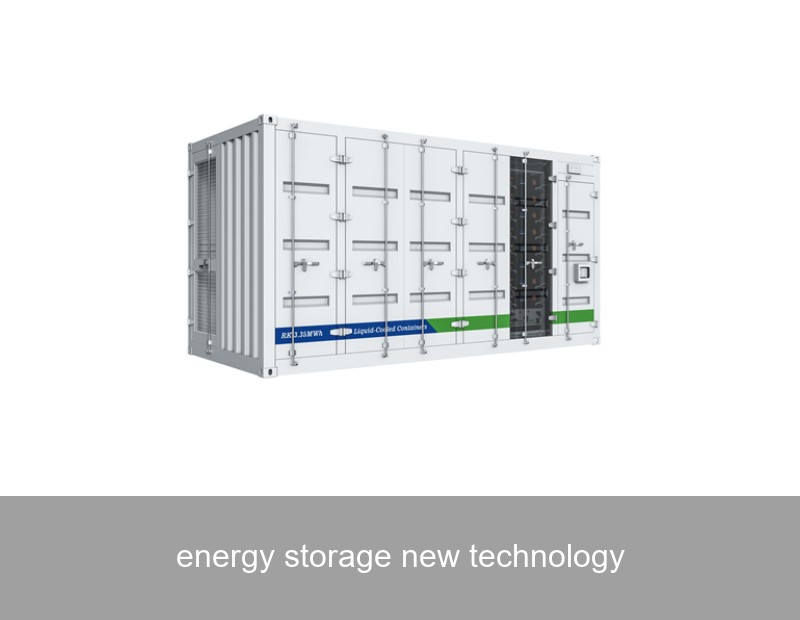
Have you ever wondered how we can keep the lights on when the sun isn't shining or the wind isn't blowing? The answer is rapidly evolving, thanks to groundbreaking energy storage new technology. This isn't just about bigger batteries; it's a fundamental shift in how we generate, manage, and consume electricity. For businesses, communities, and homeowners, these innovations are the key to unlocking energy independence, slashing costs, and building a truly sustainable future. Let's explore the cutting-edge advancements that are reshaping our energy landscape.
Table of Contents
The Challenge: Why We Can't Rely on Intermittent Renewables Alone
Solar and wind power are fantastic—until they're not. The sun sets, and the wind calms, creating a mismatch between when clean energy is produced and when we need it most. This intermittency challenge is the single biggest hurdle to a 100% renewable grid. Traditional grids, designed for constant power from coal or gas plants, struggle with this variability. The result? Potential instability, wasted clean energy (curtailment), and continued reliance on fossil-fuel "peaker" plants during high demand.
This is where advanced energy storage acts as the crucial buffer. It's not merely a backup; it's the intelligent enabler that transforms renewables from a supplemental source into a reliable, baseload power foundation.
Key Advancements in Energy Storage New Technology
The race for better storage is fueling innovation across materials, software, and system design. Here are the most promising frontiers.
Next-Generation Battery Chemistries
While lithium-ion dominates, researchers and companies are pushing boundaries to improve safety, lifespan, and cost.
- Solid-State Batteries: By replacing flammable liquid electrolytes with a solid material, these promise higher energy density, faster charging, and dramatically improved safety. Major automakers and tech firms are investing billions, anticipating commercialization later this decade.
- Lithium Iron Phosphate (LFP): Gaining massive traction in stationary storage, LFP chemistry offers longer cycle life, superior thermal stability, and avoids cobalt and nickel, making it more ethical and cost-effective. It's a prime example of how energy storage new technology can be both advanced and pragmatic.
- Silicon-Anode and Sodium-Ion Batteries: Silicon anodes can significantly boost capacity, while sodium-ion technology aims to use abundant, low-cost materials, potentially revolutionizing the market for large-scale grid storage.
At Highjoule, we rigorously evaluate these emerging chemistries. Our H-Series Commercial & Industrial (C&I) storage systems already utilize premium LFP battery cells, offering our clients a safe, long-lasting foundation that is future-ready for integration with even newer technologies as they mature.
The Brains Behind the Brawn: AI & Software Intelligence
The most significant leap in energy storage new technology isn't always hardware—it's software. An advanced Battery Energy Storage System (BESS) is a data powerhouse.
- AI-Powered Energy Management Systems (EMS): These platforms use machine learning to predict energy generation (from on-site solar) and consumption patterns. They autonomously decide when to store, when to discharge, and when to participate in grid services, maximizing financial return.
- Predictive Analytics for Health: Sophisticated algorithms monitor thousands of data points within the battery to predict cell degradation and potential issues before they cause downtime, transforming maintenance from reactive to proactive.
This is where Highjoule's JouleMind AI platform excels. It doesn't just manage your storage system; it optimizes your entire energy ecosystem. By analyzing weather forecasts, utility rate schedules, and real-time building load, JouleMind makes millisecond decisions that can reduce a factory's energy costs by 30% or more, turning a storage asset into a strategic profit center.

Image: A modern industrial site integrating solar and storage. Source: Unsplash
Thinking Beyond Lithium: Long-Duration Storage
For multi-day weather events or seasonal shifts, we need storage that lasts 10, 50, or even 100+ hours. This is the realm of long-duration energy storage (LDES).
| Technology | How It Works | Potential Duration |
|---|---|---|
| Flow Batteries (Vanadium, Zinc-Bromine) | Energy is stored in liquid electrolytes in external tanks. Power and energy capacity are decoupled. | 4-12+ hours |
| Compressed Air Energy Storage (CAES) | Uses excess electricity to compress air in underground caverns, releasing it to generate power later. | 10+ hours |
| Gravity-Based Storage | Lifts heavy masses with surplus power, generating electricity when lowering them. | 4-12+ hours |
According to a U.S. Department of Energy report, achieving 90% clean electricity could require a staggering 700 GW of LDES. While these technologies scale, Highjoule's microgrid solutions cleverly combine our proven BESS with advanced controls and optional generator integration to provide resilient, long-duration backup for critical facilities today.
From Theory to Practice: A German Case Study in Grid Stability
Let's look at a real-world application. In 2023, a medium-sized automotive parts manufacturer in Bavaria, Germany, faced a dual challenge: volatile energy prices and strict requirements for power quality to protect sensitive robotic welding equipment.
The Solution: They partnered with Highjoule to deploy a 2 MWh H-Series storage system integrated with their existing rooftop solar and our JouleMind AI platform.
The Data-Driven Outcome (12-month period):
- Energy Cost Reduction: 34% reduction in overall electricity costs through strategic arbitrage (charging from solar/off-peak grid, discharging during peak price hours).
- Grid Service Revenue: The system automatically provided frequency containment reserve (FCR) services to the German grid, generating €45,000 in ancillary service revenue.
- Power Quality: Voltage sags and micro-outages were eliminated, protecting manufacturing lines. The system's sub-20ms response time ensured seamless transitions.
- Sustainability: Increased on-site solar consumption from 55% to 89%, significantly reducing their carbon footprint.
This case exemplifies how modern energy storage new technology, when deployed as an intelligent system, solves multiple problems simultaneously—financial, operational, and environmental. You can read more about grid service markets in Europe from the European Network of Transmission System Operators (ENTSO-E).
Highjoule's Role: Integrating New Tech into Reliable Solutions
Since 2005, Highjoule's mission has been to bridge the gap between cutting-edge research and dependable, daily operation. We don't just sell hardware; we deliver intelligent, sustainable power solutions. Our expertise lies in integrating the best available technologies—be it advanced LFP batteries, our proprietary AI software, or hybrid inverter systems—into a cohesive package tailored for commercial, industrial, and residential applications.
For a hospital needing unwavering backup, a factory aiming for cost certainty, or a neighborhood creating a renewable microgrid, we provide the technology stack and the deep expertise to make it work seamlessly. Our systems are designed with an open architecture, ensuring they can evolve alongside the next wave of energy storage new technology.

Image: Residential energy independence with solar and storage. Source: Unsplash
What Does the Future Hold for Energy Storage?
The trajectory is clear: storage will become cheaper, smarter, and more ubiquitous. We're moving towards a future where every building with solar panels will have a storage system, not just for backup, but as an active node in a decentralized, interactive energy grid—a true "Internet of Energy."
Innovations like vehicle-to-grid (V2G) integration, where electric vehicles become mobile storage units, and the continued refinement of green hydrogen as a seasonal storage medium, will further expand the possibilities. The International Energy Agency (IEA) continually highlights the critical link between storage and net-zero goals.
So, as you consider your own energy resilience or sustainability goals, ask yourself: Is your organization ready to leverage energy storage new technology not just as a cost, but as a strategic asset for the next decade? What single energy challenge—cost volatility, reliability, or carbon targets—could a smart storage system solve for you first?
 Inquiry
 Online Chat