


The Evolution of Power: How Much Can Your Energy System Really Transform?
Have you ever stared at your electricity bill, watching the total creep higher each month, and wondered: How much power do I actually need, and is there a better way? You're not alone. This question is at the heart of a global shift—a quiet evolution in how we generate, store, and consume energy. It's no longer just about consuming kilowatt-hours (kWh) from the grid; it's about evolving your entire relationship with power. This evolution is driven by a powerful combination: renewable energy sources like solar and the critical technology that unlocks their full potential—intelligent battery storage. So, let's explore the real metrics of this change. How much savings, independence, and resilience can this evolution truly deliver?
The Silent Revolution in Your Power Bill
For decades, our power model was linear. Utility generates power, transmits it over miles of cables, and we pay a variable, often opaque, bill. The "evolution" began with the rise of rooftop solar. Homeowners and businesses could finally generate their own power. But this first phase had a limitation: the sun doesn't shine on demand, and surplus energy often went back to the grid for minimal credit. The real transformation—the quantum leap—began when affordable, high-capacity battery storage entered the scene. Now, the question isn't just "how much power can I generate?" but "how much of my generated power can I intelligently use on my own terms?" This shifts the focus from sheer generation to optimized consumption and resilience.
Decoding the kWh: The True Unit of Evolution
To measure this evolution, we need to look beyond the simple kWh meter. Consider three new, critical metrics:
- Self-Consumption Rate: The percentage of your solar energy that you use directly or store, rather than exporting. Before storage, this might be 30-40%. With storage, it can soar to 70-80% or more.
- Grid Independence Index: The percentage of your total energy needs met by your own system over a year. For a well-designed solar + storage system, achieving 60-90% is increasingly common, depending on location and consumption patterns.
- Cost Avoidance: This is the real financial evolution. It combines reduced grid purchases, avoidance of peak-time rates, and in some regions, revenue from grid services.

Image Source: Unsplash - A modern home integrated with solar generation.
The Storage Multiplier: How Batteries Change the Game
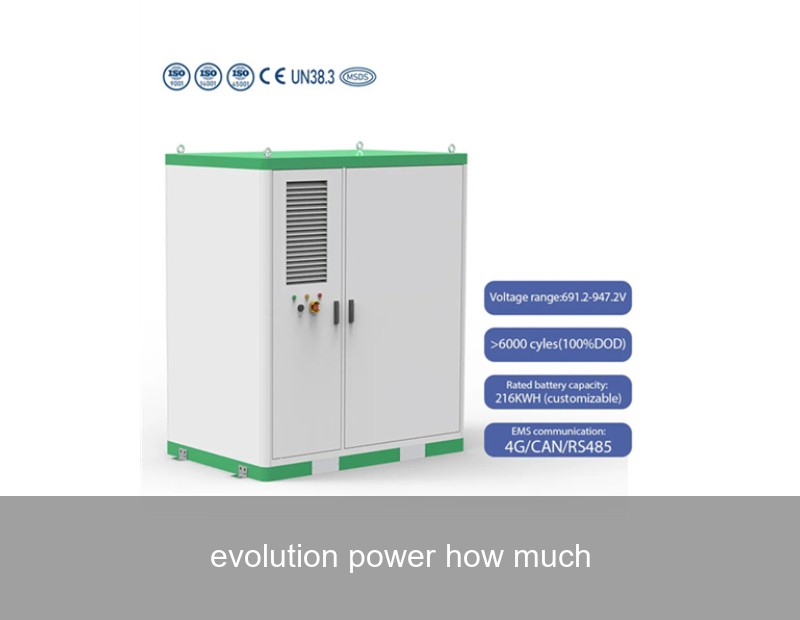
Think of a battery energy storage system (BESS) as the "brain and battery" of your power evolution. It doesn't just store energy; it makes strategic decisions. An advanced system like Highjoule's HiveMind-powered storage solutions constantly analyzes weather forecasts, your consumption history, and real-time electricity tariffs. It decides: Should I store this solar energy for tonight's peak demand? Should I sell a small amount back to the grid now when prices are high and buy back later when they're low? This intelligent arbitrage is where the "how much" of savings gets significantly amplified. For a business with time-of-use rates, shifting just 50 kWh of consumption from peak to off-peak daily can translate to thousands in annual savings.
Case Study: A Bavarian Brewery's Recipe for Energy Independence
Let's ground this in reality. Consider a mid-sized brewery in Bavaria, Germany. Their challenge: high and volatile energy costs, a need for precise cooling (a massive energy load), and a sustainability commitment.
- Phenomenon: Rising energy costs threatening margins and unpredictable grid outages risking spoilage.
- Data & Solution: They installed a 250 kW solar carport system paired with a 500 kWh Highjoule Industrial HiveStack BESS. The system was designed not just for backup, but for daily load-shifting.
- Results (12-month period):
Metric Before Highjoule System After Highjoule System Grid Energy Purchased 100% 35% Self-Consumption of Solar ~40% 92% Peak Demand from Grid 180 kW 65 kW (reduced by 64%) Annual Energy Cost Savings Baseline €68,000 - Insight: The evolution wasn't just in generation capacity. The Highjoule system's intelligence ensured cooling compressors were primarily powered by stored solar energy during expensive evening hours, turning a cost center into a managed, optimized asset. The payback period was under 5 years, and the resilience against outages became a priceless operational guarantee. (IEA - Energy Storage Report)
Highjoule's Intelligent Solutions: Orchestrating Your Energy Evolution
Founded in 2005, Highjoule has been at the forefront of this power evolution. We understand that "how much" you benefit depends on perfect harmony between components. That's why our offerings are built on integration and intelligence:
- For Homes: The Highjoule HomeHub is a sleek, all-in-one storage system with HiveMind AI. It seamlessly integrates with your existing solar or new installation, maximizing self-consumption and providing whole-home backup. You can monitor and control it from your phone, answering "how much did I save today?" in real-time.
- For Business & Industry: Our modular HiveStack battery systems scale from 100 kWh to multi-megawatt hours. They are engineered for peak shaving, demand charge reduction, and uninterrupted power supply (UPS) for critical operations. We provide a full lifecycle service, from feasibility study to long-term performance monitoring.
- For Microgrids: Highjoule designs and deploys turnkey microgrid solutions that can island from the main grid, combining solar, wind, storage, and generator sets. This is the ultimate evolution for communities, campuses, or industrial parks seeking total energy sovereignty.

Image Source: Unsplash - Technician inspecting a large-scale battery energy storage system.
The Future Home: Your Personal Power Plant
The evolution is accelerating with electric vehicles (EVs) and smart appliances. Soon, your EV will be a mobile battery on wheels (Vehicle-to-Home or V2H). Your smart dishwasher will run when your home battery is full. Systems like Highjoule's are being designed with these protocols in mind, creating a dynamic, responsive energy ecosystem. The U.S. Department of Energy notes that smart integration of these resources is key to grid stability and consumer benefit (DOE - Solar Integration). Your home won't just consume power; it will trade it.
Calculating Your Own Energy Evolution
So, back to your initial question: Evolution of power, how much is possible for you? The answer is unique to your roof size, consumption patterns, local climate, and utility rates. The first step is a detailed analysis. Highjoule's experts begin with this very question, modeling your specific scenario to project your potential self-consumption rate, cost avoidance, and return on investment.
The journey from a passive consumer to an active power manager is the defining energy evolution of our time. It's measured in greater control, tangible savings, and contributing to a more resilient grid. The technology is here, and it's more accessible than ever.
What's the first energy load in your home or business you would choose to power independently, and how would that change your relationship with energy?
 Inquiry
 Online Chat