


GCL Intelligent Energy Co Ltd and the Rise of Smart, Integrated Power Solutions
Have you ever looked at your energy bill, felt the grid strain during a heatwave, or read about ambitious climate goals and wondered: "How do we actually bridge the gap between renewable energy potential and reliable, everyday power?" This is the central challenge of our energy transition. While pioneers in solar panel and battery cell manufacturing, like GCL Intelligent Energy Co Ltd, have driven down costs and scaled production, the true magic happens when these components are woven into a cohesive, intelligent system. The future isn't just about generating and storing energy—it's about managing it with digital brains that optimize every electron for efficiency, resilience, and savings. This is where the concept of intelligent energy truly comes to life, moving beyond hardware to integrated software-defined power solutions.
From Hardware to Harmony: The Intelligent Energy Imperative
Companies like GCL Intelligent Energy Co Ltd represent a crucial piece of the puzzle. Their work in advancing photovoltaic (PV) technology and energy storage materials provides the essential building blocks. However, an array of solar panels and a rack of battery cells alone do not constitute an intelligent energy system. Think of it like a symphony orchestra: having the finest violins and trumpets is a start, but without a conductor to synchronize them, the result is chaos, not harmony.
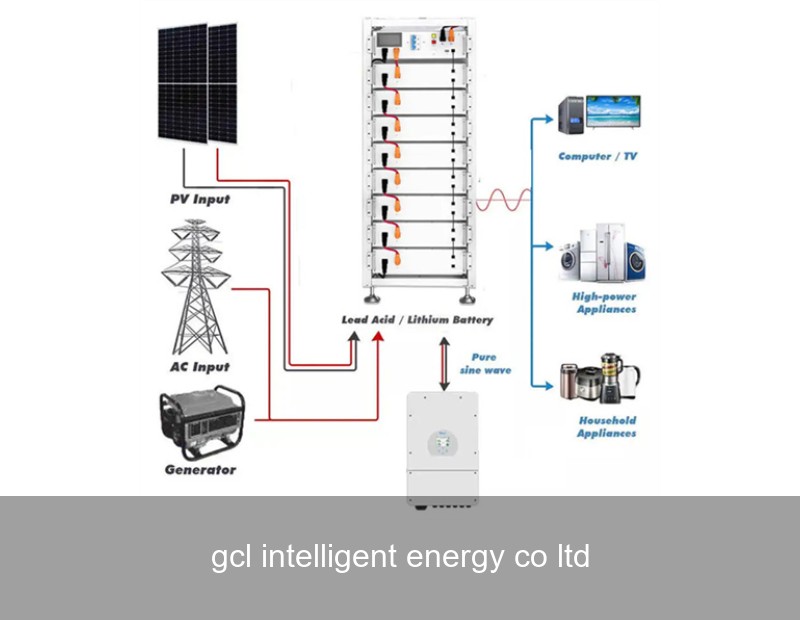
The "intelligent" in intelligent energy refers to the conductor—the advanced energy management system (EMS) and power conversion technologies that integrate generation (solar, wind), storage (batteries), and consumption (your facility or home). This software-driven layer makes real-time decisions: when to store excess solar energy, when to discharge batteries to avoid peak utility rates, and how to ensure backup power during an outage—all while maximizing the lifespan of the physical assets.

Image Source: Unsplash (Photographer: American Public Power Association)
The Data Behind the Demand: Why Smart Management is Non-Negotiable
The push for intelligent systems is driven by hard economics and grid realities. Consider this: the U.S. Energy Information Administration (EIA) projects that U.S. electricity demand will grow by 3% in 2024 and 2025, largely fueled by data centers and industrial growth. Simultaneously, volatile energy prices, especially in Europe, make cost predictability a top business concern.
An unoptimized solar-plus-storage system might capture 80% of its potential value. An intelligent system, with predictive analytics and grid-service capabilities, can push that to 95% or more. This is achieved through:
- Peak Shaving: Automatically discharging batteries during times of highest (and most expensive) grid demand, slashing demand charges that can constitute up to 50% of a commercial bill.
- Energy Arbitrage: Buying and storing grid energy when rates are low, then using it when rates are high.
- PV Self-Consumption Optimization: Increasing the use of your own solar generation from ~30-50% to over 70%, dramatically improving ROI on solar assets.
Without intelligence, a battery is just a backup power source. With it, it becomes a financial and operational asset.
Case in Point: A California Winery's Transformation
Let's ground this in a real-world example. A mid-sized winery in Napa Valley, California, faced three challenges: high and unpredictable energy costs, an unreliable grid that threatened temperature-sensitive fermentation processes, and a sustainability commitment.
They installed a 500 kW solar array paired with a 750 kWh battery storage system. The initial setup provided basic backup. However, by integrating a third-party, cloud-based intelligent energy management platform, they unlocked new value:
| Metric | Before Intelligent EMS | After Intelligent EMS Implementation |
|---|---|---|
| Monthly Demand Charge Savings | ~15% | 42% |
| Solar Self-Consumption | 48% | 79% |
| Grid Backup During Outages | Critical loads only (8 hrs) | Full facility (24+ hrs) |
| Estimated Payback Period | 9 years | 6.5 years |
The intelligent system forecasted energy pricing and grid congestion, pre-charged the battery optimally, and seamlessly managed the transition during a planned public safety power shutoff (PSPS). This case mirrors the value that industrial and commercial entities across Europe and North America are now seeking.
The Core Pillars of a Truly Intelligent Energy System
Based on two decades of experience, Highjoule has identified three non-negotiable pillars for a future-proof intelligent energy solution:
- Open & Adaptive Architecture: The system must be hardware-agnostic, able to integrate with leading PV inverters and, yes, high-quality battery cells from providers like GCL Intelligent Energy Co Ltd, as well as legacy equipment. Vendor lock-in stifles innovation and flexibility.
- Grid-Interactive Functionality: Beyond self-consumption, the system must be capable of providing grid services like frequency regulation or virtual power plant (VPP) participation, creating potential new revenue streams. The National Renewable Energy Lab (NREL) highlights the vast potential of grid-interactive efficient buildings.
- Cybersecurity & Data Sovereignty: An intelligent system is a digital asset. It must be built with enterprise-grade security and comply with local data privacy regulations (like GDPR in Europe), ensuring operational data remains secure and private.
Highjoule's Approach: Delivering Intelligence Beyond the Battery
Since 2005, Highjoule has evolved from a storage hardware provider to a full-stack intelligent energy solutions partner. We view advanced battery cells as the engine, but our value is in the complete powertrain and the driver-assist technology.
Our Helios-EMS Platform is the core of this intelligence. This proprietary software suite doesn't just react; it predicts. Using AI-driven weather and load forecasting, it creates a 24/7 optimization strategy for your unique energy profile. For a German manufacturing plant, this meant automatically scheduling energy-intensive processes for periods of high solar output and low grid costs, reducing their carbon footprint and OpEx simultaneously.

Image Source: Unsplash (Photographer: ThisisEngineering)
Our product suites are designed for scalability:
- Highjoule Quantum Series (C&I): Containerized or skid-mounted, all-in-one systems featuring our own battery packs (which can utilize premium cells from partners) fully integrated with the Helios-EMS for large-scale commercial and industrial applications.
- Highjoule Nexus Platform (Microgrids): A controller that orchestrates multiple distributed energy resources (solar, wind, storage, generators) into a resilient, self-sufficient microgrid, ideal for campuses, remote communities, or critical infrastructure.
- Highjoule Aegis (Residential & Small Business): A sleek, integrated storage system with built-in intelligence for maximizing self-consumption and providing whole-home backup, managed via an intuitive user app.
Our role is to be the integrator and intelligence provider, ensuring that whether the core battery technology comes from GCL Intelligent Energy Co Ltd or another reputable manufacturer, it performs at its absolute peak within a secure and profitable ecosystem.
Navigating Your Path to Intelligent Energy
The journey begins with a clear understanding of your objectives. Is your primary driver cost savings, sustainability, resilience, or a combination? A reputable provider will start with a detailed energy analysis, not just a equipment quote.
Ask potential partners: How open is your system? Can it participate in local grid incentive programs? What is your cybersecurity protocol? And crucially, what is the projected financial model, not just the technical specification? The International Energy Agency (IEA) continues to stress the importance of system integration innovation as a critical gap to fill for net-zero goals.
So, as you evaluate the impressive advancements in battery and PV hardware from global leaders, we leave you with this question: What specific operational, financial, and sustainability outcomes do you need your physical energy assets to deliver, and is your current plan including the intelligent layer required to achieve them?
 Inquiry
 Online Chat