


Generacion de Electricidad: Powering a Sustainable Future with Smart Energy Solutions
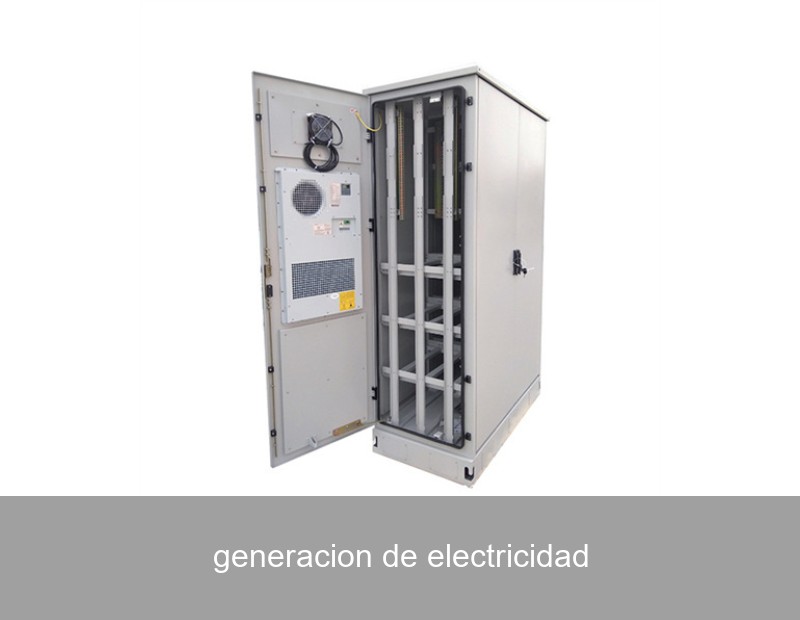
For over a century, generacion de electricidad—the generation of electricity—has been the steady, often invisible, heartbeat of modern society. But today, that heartbeat is changing rhythm. From homes in California to factories in Germany, a profound shift is underway: moving from centralized, fossil-fuel-dependent power plants to decentralized, intelligent, and renewable systems. This isn't just a technical upgrade; it's a complete reimagining of how we create, manage, and consume power. The core challenge? Aligning intermittent renewable sources like solar and wind with our constant demand for reliable electricity. This is where the next generation of energy storage and management systems becomes the critical linchpin for a stable, clean grid.
Table of Contents
- The Unstoppable Shift in Electricity Generation
- The Intermittency Challenge: Data Doesn't Lie
- Beyond Generation: The Intelligent Storage Layer
- Case Study: A German Industrial Park's Journey to Energy Independence
- Highjoule's Role: Integrating Intelligence into Your Energy Flow
- The Future of Electricity Generation is Distributed and Intelligent
The Unstoppable Shift in Electricity Generation
Globally, renewables are becoming the dominant source for new power capacity. According to the International Energy Agency (IEA), renewable capacity additions grew by almost 50% in 2023, setting a record. In markets like Europe and the U.S., policy drivers like the EU's Green Deal and the U.S. Inflation Reduction Act are accelerating this transition. But here's the phenomenon every energy manager now sees firsthand: solar panels stop at night, and wind turbines stall on calm days. Our grids, built for the constant output of coal or gas plants, aren't natively designed for this variability. This creates a pressing need for solutions that don't just generate power, but also time-shift it.
The Intermittency Challenge: Data Doesn't Lie
Let's look at the data. A typical commercial solar installation in Southern Europe might have a capacity factor of around 18-25%. This means for a significant portion of the day, it's not producing at peak. Meanwhile, energy demand often peaks in the early evening when solar production is fading—a mismatch known as the "duck curve." This imbalance can lead to grid instability, price volatility, and wasted renewable energy that must be curtailed. The traditional "solution" has been to fire up natural gas "peaker" plants, but this undermines decarbonization goals and is economically inefficient.
So, what's the answer? The logic is a clear step-by-step progression:
- Phenomenon: Renewable generation is intermittent and doesn't always match demand patterns.
- Problem: This causes grid strain, wasted clean energy, and reliance on fossil backups.
- Solution Requirement: We need a buffer—a way to store excess generation for later use.
- Advanced Solution: A smart buffer that doesn't just store, but actively manages energy flow based on weather forecasts, usage patterns, and grid signals.
Beyond Generation: The Intelligent Storage Layer
This is where Battery Energy Storage Systems (BESS) transition from a niche accessory to the core enabling technology. Think of BESS not just as a battery, but as the "brain" of a modern energy asset. It makes generacion de electricidad dispatchable. For businesses, this intelligence unlocks multiple value streams: storing cheap solar power for use during expensive peak rate periods (peak shaving), providing backup power, and even participating in grid services like frequency regulation.
At Highjoule, with nearly two decades of experience, we've evolved our systems to be this intelligent layer. Our H-Series Commercial & Industrial (C&I) ESS is more than a container of batteries. It's an integrated platform featuring our proprietary Adaptive Grid Intelligence (AGI) software. This system continuously analyzes data—from your production meters and load profiles to real-time electricity prices and grid carbon intensity—to autonomously optimize charge and discharge cycles. The goal? Maximize your economic return, ensure resilience, and contribute to grid stability, all without requiring constant manual intervention.

Credit: Image by American Public Power Association on Unsplash. A modern BESS installation, similar to Highjoule's H-Series, provides the critical buffer for renewable energy.
Case Study: A German Industrial Park's Journey to Energy Independence
Let's ground this in a real-world example. A mid-sized manufacturing park in North Rhine-Westphalia, Germany, faced rising energy costs and stringent carbon reduction targets. They had a 2 MW rooftop solar PV system but were still importing over 40% of their power, especially during morning and evening peaks.
The Project: Highjoule deployed a tailored 1.5 MWh H-Series BESS, integrated with their existing solar inverters and building management system.
The Results (12-month post-installation):
| Metric | Before Highjoule BESS | After Highjoule BESS |
|---|---|---|
| Grid Energy Import During Peak Hours | 100% | 15% |
| Solar Self-Consumption Rate | 35% | 89% |
| Annual Energy Cost Savings | Baseline | €68,000 |
| Carbon Footprint Reduction | Baseline | ~185 tonnes CO2e |
The AGI software enabled the system to predict sunny days, fully charge the batteries with excess solar, and then discharge precisely during the high-tariff periods. The park's manager noted, "It's like having a 24/7 energy trader and grid manager on-site, silently optimizing our power flow. Our generacion de electricidad is now predictable and cost-controlled."
Highjoule's Role: Integrating Intelligence into Your Energy Flow
Our philosophy is that the true value in the energy transition lies at the intersection of physical hardware and digital intelligence. For residential customers, our HomePower Stack offers a seamless, safe, and scalable way to pair with rooftop solar, ensuring homes can power through outages and maximize self-consumption. For larger-scale microgrid and utility applications, our GridMax solutions provide the stability and control needed to integrate high penetrations of renewables.
What sets Highjoule apart is our holistic approach. We don't just sell a box; we provide a long-term partnership. Our services include:
- Energy Profile Analysis: Using your historical data to right-size the storage solution.
- Turnkey Integration: Seamlessly connecting with existing solar, generators, and switchgear.
- Performance Monitoring & Guarantees: Offering ongoing insights and guaranteed throughput for your asset.
- Future-Proof Design: Ensuring systems can adapt to new market rules and technologies.

Credit: Image by Andreas Gücklhorn on Unsplash. The future of generation lies in hybrid renewable plants, all stabilized by large-scale storage like Highjoule's GridMax.
The Future of Electricity Generation is Distributed and Intelligent
The era of passive consumption is over. The future grid will be a network of millions of "prosumers"—entities that both produce and consume. In this landscape, generacion de electricidad becomes a dynamic, two-way conversation. Your factory, warehouse, or neighborhood could become a virtual power plant (VPP), aggregating distributed resources to support the wider grid during times of stress. Technologies like vehicle-to-grid (V2G) will further blur the lines between consumption and storage.
This future requires a new kind of energy partner—one with deep technical expertise in power electronics and battery chemistry, but also with the software prowess and market knowledge to unlock value. It requires a partner like Highjoule, who has been navigating this evolution since 2005.
Ready to Transform Your Relationship with Electricity Generation?
We've moved beyond simply discussing kilowatts and kilowatt-hours. The real question is: How can your organization not only adapt to the new energy paradigm but actively thrive in it? What would a 25% reduction in your annual energy costs and a significant boost to your sustainability credentials mean for your bottom line and your mission? Let's start a conversation about your specific site, your goals, and how intelligent storage can be the key to unlocking them.
 Inquiry
 Online Chat