


Southwest Energy Control Systems: The Smart Heart of Modern Power Management
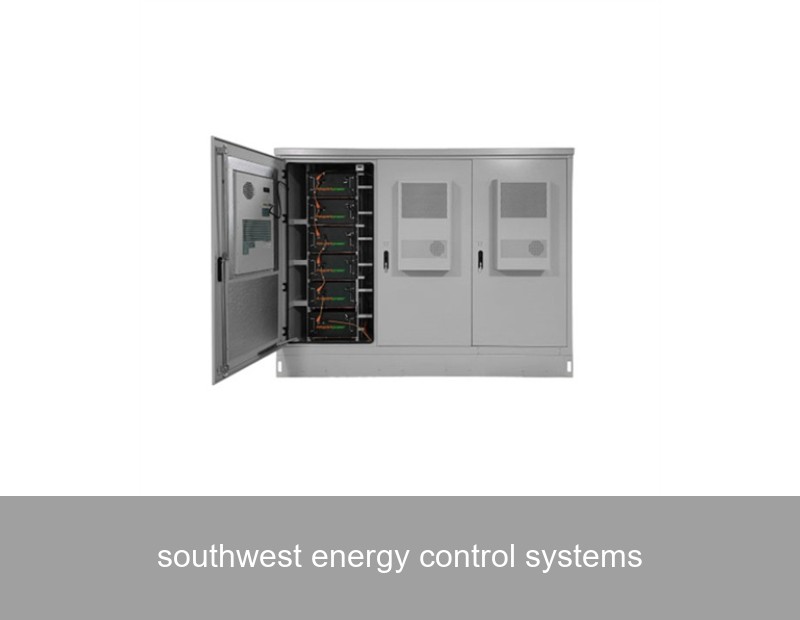
Imagine you're managing a large commercial facility in the sun-drenched Southwest. Your electricity bills are soaring, the grid is becoming less predictable, and your sustainability goals feel just out of reach. The solution to this modern energy puzzle doesn't lie in a single piece of hardware, but in the southwest energy control systems – the intelligent brain that orchestrates solar panels, battery storage, and grid power into a harmonious, cost-saving symphony. These sophisticated control platforms are revolutionizing how businesses and communities in regions like the American Southwest and Southern Europe manage their energy, turning volatility into value.
Table of Contents
- The Phenomenon: Energy Volatility in Sun-Rich Regions
- The Data: Why Control is More Critical Than Generation
- Core Components of a Southwest Energy Control System
- The Highjoule Nexus: A Case Study in Intelligent Control
- Beyond Commercial: Control for Microgrids and Communities
- Future Horizons: AI and the Self-Optimizing Grid
The Phenomenon: Energy Volatility in Sun-Rich Regions
Regions like the American Southwest and the Mediterranean coast of Europe share a common blessing and curse: abundant solar resources paired with growing grid instability. High temperatures drive massive cooling demand, often coinciding with peak electricity prices and strained grid infrastructure. While solar PV generation is a logical solution, its intermittent nature—those sudden drops when clouds pass or at sunset—can create new challenges. A traditional, passive solar setup simply can't navigate this complexity. This is where an advanced southwest energy control system becomes non-negotiable. It's the difference between having solar panels and having a truly resilient, efficient energy asset.
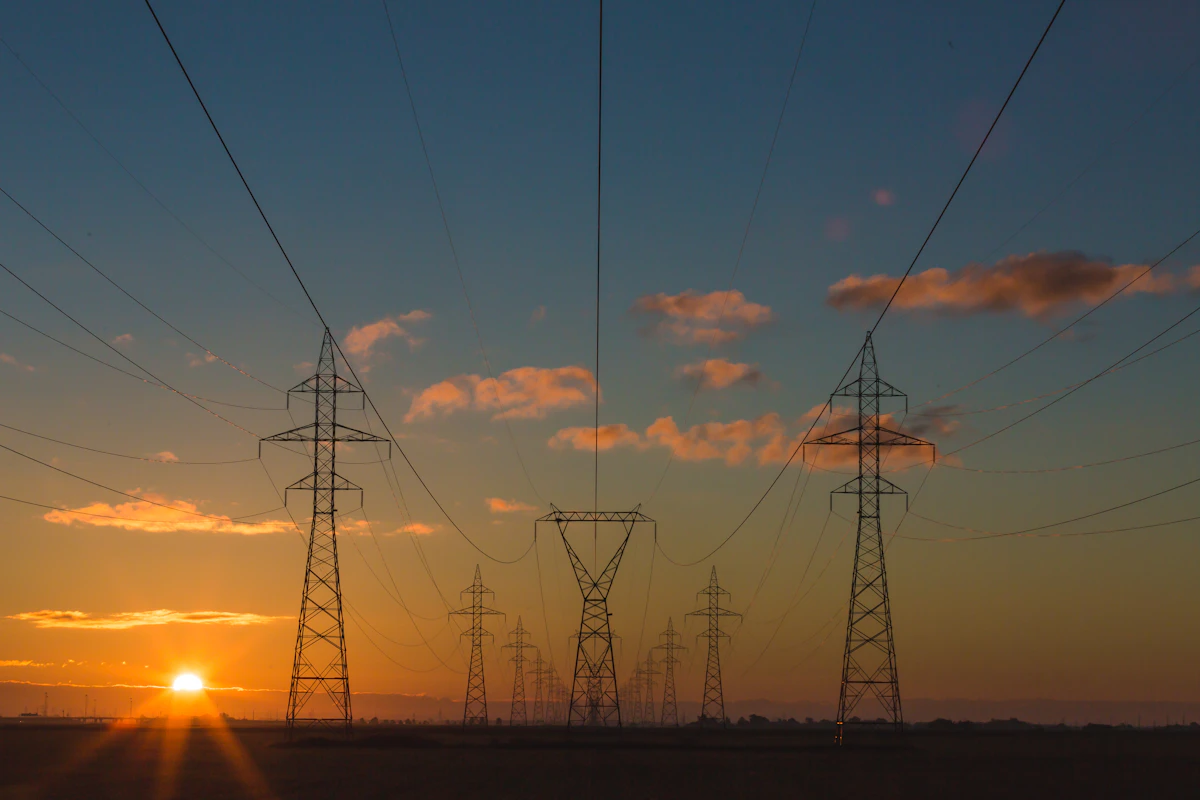
Image Source: Unsplash - Representative image of solar generation in arid regions.
The Data: Why Control is More Critical Than Generation
Let's talk numbers. According to the U.S. Department of Energy's Solar Futures Study, solar could provide up to 40% of the nation's electricity by 2035. However, the study heavily emphasizes the need for "grid flexibility" through storage and smart controls to integrate this volume. In markets like Texas (ERCOT) or California (CAISO), real-time electricity prices can swing from near zero to over $5,000 per megawatt-hour in minutes. A sophisticated control system doesn't just turn things on and off; it makes millisecond decisions: Should we store this solar energy now or use it? Should we draw from the batteries or the grid at this exact moment? Can we sell a burst of power back to the grid when prices peak? The financial and operational impact of these decisions dwarfs the cost of the control system itself.
Core Components of a Southwest Energy Control System
Think of a top-tier southwest energy control system as a conductor leading an orchestra. Each musician is vital, but harmony requires direction.
- The Central Controller (The Conductor): This is the software platform, often cloud-connected, that runs optimization algorithms using weather forecasts, price signals, and load patterns.
- Power Conversion Systems (The Instrument Players): These include solar inverters and bi-directional battery inverters that execute the controller's commands.
- Energy Storage (The Bass Section): The battery bank, typically lithium-ion for its speed and density, provides the crucial buffer that enables time-shifting of solar energy.
- Grid Interface & Meters (The Communication): Smart meters and switchgear provide real-time data and enable safe, compliant interaction with the public utility grid.
This is precisely where Highjoule's expertise transforms theory into reality. For nearly two decades, Highjoule has designed integrated systems where these components don't just coexist but are deeply unified. Our Highjoule Apex Core controller is the brain of the operation, purpose-built to manage the harsh climatic and complex economic realities of southwestern U.S. and European markets. It doesn't just react; it learns from your facility's unique energy fingerprint to predict and optimize.
The Highjoule Nexus: A Case Study in Intelligent Control
Consider a real-world application: a 150,000 sq. ft. chilled warehouse facility in Phoenix, Arizona. The challenge was brutal: refrigerating space in a desert climate with a demand charge (a fee based on peak power draw) exceeding $45/kW. The facility had solar, but without control, it wasn't mitigating their peak demand, which typically spiked in the late afternoon when solar production faded.
Highjoule deployed a turnkey solution featuring a 500kW/1MWh battery energy storage system (BESS) governed by our Apex Core controller. The system was integrated with the existing solar PV and the warehouse's refrigeration units. Here’s what the southwest energy control system achieved in the first year:
| Metric | Before Highjoule System | After Highjoule System | Reduction |
|---|---|---|---|
| Peak Demand Charge | $68,000 (monthly avg.) | $31,000 (monthly avg.) | 54% |
| Grid Energy Consumption | ~850,000 kWh/month | ~520,000 kWh/month | 39% |
| Solar Self-Consumption | ~65% | ~98% | Near-total utilization |
The controller's intelligence was key. It learned the refrigeration cycles and, using precise weather data, pre-chilled the warehouse slightly more during high solar output. Then, as the evening peak approached, it strategically discharged the battery to "shave" the facility's grid demand while maintaining perfect temperatures. The project delivered a full ROI in under 4 years, showcasing that the right control system is an investment, not just an expense.

Image Source: Unsplash - Representative image of an engineer interacting with an energy management system.
Beyond Commercial: Control for Microgrids and Communities
The principles of a southwest energy control system scale beautifully. For remote communities in Southern Europe or industrial parks in the U.S. Southwest, microgrids are a path to energy independence. Here, the control system's role expands to include managing multiple distributed generators (solar, wind, backup gensets) and potentially multiple storage units. Highjoule's Nexus Microgrid Controller excels in this arena, capable of operating in both grid-connected and intentional island mode. It can seamlessly disconnect from the main grid during a blackout, using solar and storage to power critical community services—a feature of increasing importance as noted by resilience planners at the National Renewable Energy Laboratory (NREL).
Future Horizons: AI and the Self-Optimizing Grid
The next evolution of these systems is already underway: artificial intelligence and machine learning. Future controllers won't just follow rules; they will develop their own optimization strategies, predicting equipment maintenance needs and participating in complex, multi-layered energy markets automatically. Highjoule's R&D pipeline is actively investing in these AI-driven capabilities, ensuring our clients' assets remain at the forefront of value generation. Imagine a system that not only saves you money today but continuously learns how to save you more tomorrow.
So, as you look at your facility's energy profile or your community's resilience plan, ask yourself this: Is your renewable energy investment being managed by a basic timer, or by a strategic southwest energy control system designed for the complexities of our time? What could a truly intelligent energy partner unlock for your bottom line and operational stability?
 Inquiry
 Online Chat