


The Smart Power Pair: Why a Generator and Battery Bank System is Revolutionizing Energy Security
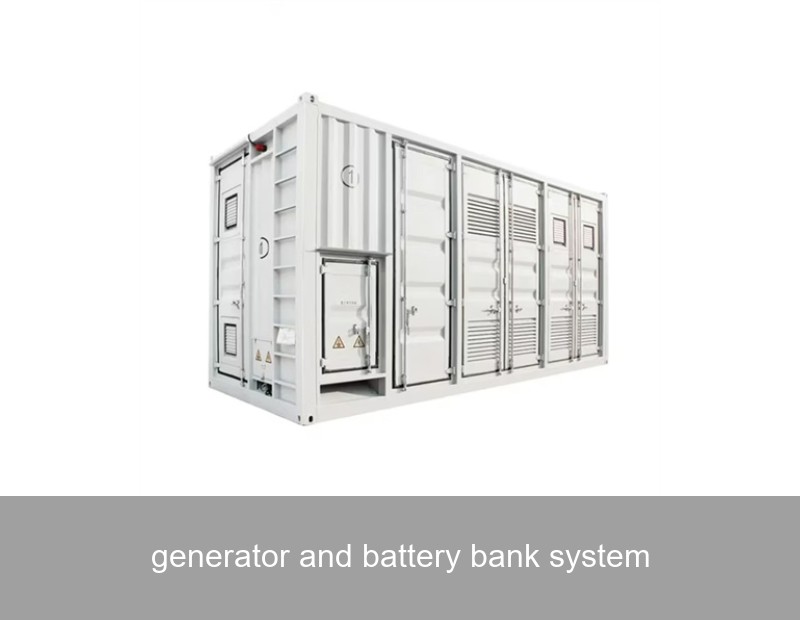
For decades, the throaty rumble of a diesel generator was the universal sound of backup power. It was reliable, but loud, polluting, and expensive to run. Today, a smarter, quieter, and more efficient solution is taking center stage: the integrated generator and battery bank system. This isn't just a backup plan; it's a sophisticated energy management strategy that combines the robust, on-demand power of a generator with the clean, instantaneous response and storage capabilities of a modern battery bank. For businesses, communities, and homeowners, this hybrid approach is redefining what it means to have resilient and intelligent power.
The Old Rumble vs. The New Whisper
a storm knocks out the grid. The lights flicker and die. Seconds later, a loud diesel engine roars to life, restoring power but also bringing noise, fumes, and the anxiety of a finite fuel tank. Now, imagine a different scenario. The power fails, and the lights don't even flicker. A silent battery bank instantaneously takes over, powering critical loads for hours. Only when the battery reaches a predetermined level does a generator start, running quietly at optimal efficiency to recharge the battery bank, then shutting off again. This seamless, automated handoff is the core benefit of a modern generator and battery bank system.
The Power Duo Defined: Generator and Battery Bank System
At its heart, this system is a hybrid. Each component plays a specific, optimized role:
- The Battery Bank (The Agile First Responder): Typically a lithium-ion battery energy storage system (BESS), it provides instant, silent, and zero-emission power for "bridge" periods. It handles short outages, daily load-shifting, and absorbs renewable energy.
- The Generator (The Endurance Powerhouse): A diesel, propane, or natural gas generator provides extended, high-power output. In a hybrid system, it's no longer the first line of defense but a strategic reserve, operating only when necessary and at its most fuel-efficient rate.
- The Brain: The Hybrid Controller: This is the crucial piece. An intelligent energy management system (like those built into Highjoule's solutions) constantly monitors grid status, battery charge, and load demand. It decides when to draw from the grid, when to discharge the battery, and when to start/stop the generator, maximizing efficiency and lifespan of all components.

Image Source: Unsplash - A modern battery energy storage system, the silent heart of a hybrid power solution.
Why This Combo is the Future, Not a Fallback
The synergy between a generator and a battery bank creates benefits far greater than the sum of its parts. Let's break down the advantages.
Unbeatable Reliability & Uptime
The battery's instantaneous response eliminates any power gap—critical for data centers, medical facilities, or manufacturing processes. The generator acts as a guaranteed "fuel-based grid," ensuring power through multi-day outages. This layered defense is what the U.S. Department of Energy calls a "resiliency multiplier," providing peace of mind that single-system solutions cannot match.
Massive Fuel & Cost Savings
This is where the data speaks volumes. A generator running constantly at low load is inefficient, leading to "wet stacking" and high maintenance. In a hybrid system, the generator runs only at high, efficient loads to recharge the battery bank, reducing runtime by 70-90%. A study by the National Renewable Energy Lab (NREL) found that hybrid systems for microgrids can reduce fuel consumption by over 50% compared to generators alone. This translates directly into lower fuel costs and reduced maintenance intervals.
A Clear Path to Sustainability
Reduced runtime means drastically lower emissions. Furthermore, this system is the perfect platform for integrating solar PV. The battery stores excess solar energy, using it to offset grid power or prevent generator starts. Over time, the system can evolve into a renewable-heavy microgrid. As a global leader, Highjoule specializes in designing these scalable pathways, ensuring your investment today supports your sustainability goals tomorrow.
From Constant Fuel Runs to Peace of Mind: A California Winery Case Study
Let's look at a real-world application. A premium winery in Napa Valley, California, faced two critical issues: unreliable grid power during wildfire-prevention shutoffs and the need to maintain precise temperature and humidity control in its fermentation tanks and barrel rooms. Their old diesel generator would kick on for any outage, disturbing the peaceful estate and incurring massive fuel costs during week-long Public Safety Power Shutoffs (PSPS).
The Solution: Highjoule engineers designed and deployed a 250 kWh lithium-ion generator and battery bank system. The system was integrated with their existing 100 kW diesel generator and a new rooftop solar array.
The Results:
| Metric | Before Hybrid System | After Hybrid System |
|---|---|---|
| Generator Runtime During PSPS Event | 24/7 for 5 days (120 hrs) | ~6 hours per day for 5 days (30 hrs) |
| Fuel Consumption | ~2,400 gallons | ~600 gallons (75% reduction) |
| Noise & Emissions | Constant | Minimal, limited to quiet daytime operation |
| Solar Self-Consumption | Exported to grid (low value) | Stored and used at night, maximizing value |
The winery now has silent, uninterrupted power for its critical processes, massive operational savings, and a significant reduction in its carbon footprint—a true competitive advantage.
Highjoule's Intelligent Integration: Making the Duo Smarter
At Highjoule, we don't just sell components; we deliver intelligent power ecosystems. Our approach to a generator and battery bank system centers on our proprietary Energy Management System (EMS) – the brain of the operation.
Our H-IQ EMS seamlessly orchestrates between grid power, on-site generation (generator), battery storage, and solar. It uses predictive algorithms and real-time load monitoring to make decisions that prioritize cost savings and resilience. For instance, it can:
- Peak Shaving: Use the battery to cap expensive demand charges from the utility, a major concern for commercial and industrial users in Europe and the US.
- Time-of-Use Optimization: Automatically charge the battery when grid electricity is cheap and discharge it when rates are high.
- Generator Health Monitoring: Schedule automatic generator exercise runs and alert for maintenance, ensuring the generator is always ready but rarely used.
Our product lines, like the Highjoule H-Cube Commercial BESS, are designed from the ground up for such hybrid integration. They feature built-in generator control interfaces, scalable architecture, and industry-leading safety standards, providing a future-proof foundation for any site's energy needs.

Image Source: Unsplash - An energy management system dashboard visualizing the flow of power in a hybrid system.
Choosing the Right Generator and Battery Bank System for Your Needs
Designing an optimal system requires careful analysis. Key considerations include:
- Critical Load Profile: What are the essential loads (in kW), and how long do they need to run (kWh)?
- Outage Patterns: Are outages typically short (minutes/hours) or long (days)?
- Fuel Accessibility & Cost: Is diesel or propane readily available? What are future price projections?
- Renewable Goals: Do you have or plan to install solar PV?
- Financial Incentives: Many regions, like those in the EU through various green deals or US states via ITC and local programs, offer incentives for battery storage that improve ROI.
This is where expert consultation is invaluable. Highjoule's team works with you to model your energy usage, simulate scenarios, and design a system that balances upfront investment with long-term operational savings and resilience.
Is Your Business Ready to Silence the Generator?
The era of the loud, always-on generator is fading. The intelligent, efficient, and sustainable hybrid system is here. It's not just about surviving the next outage; it's about taking control of your energy costs, reducing your environmental impact, and building a more resilient operation. What would a 70% reduction in your generator fuel bill and a silent, instant backup power solution mean for your bottom line and your peace of mind?
 Inquiry
 Online Chat