


German Energy Solutions Initiative: Powering a Sustainable Future with Smart Energy Storage
You've likely heard the ambitious goals: Germany's Energiewende (energy transition) aims for 80% renewable electricity by 2030 and climate neutrality by 2045. But here's the puzzle many businesses and communities face: how do you integrate a growing share of volatile solar and wind power while keeping the grid stable and energy costs predictable? This is where the German Energy Solutions Initiative (GESI) comes into play, and at its heart lies a critical enabler—advanced, intelligent battery energy storage systems (BESS).
As a global leader in energy storage, Highjoule has been at the forefront of this transformation since 2005. We see the GESI not just as a policy framework, but as a practical blueprint for deploying reliable, efficient, and sustainable power solutions worldwide. This article will explore how modern energy storage is solving the core challenges of the energy transition, with a special look at real-world applications inspired by German engineering and initiative.
Table of Contents
- The Storage Imperative: Beyond the Renewable Generation Gap
- The GESI Blueprint: A Model for Integrated Energy Systems
- Case Study: A Bavarian Industrial Park's Journey to Energy Independence
- Highjoule's Role: Delivering Intelligence Beyond the Battery
- The Future Grid: Prosumers, Microgrids, and New Market Opportunities
The Storage Imperative: Beyond the Renewable Generation Gap
The phenomenon is clear across Germany, California, and other leading renewable markets: sunny and windy days produce more electricity than the grid can immediately consume, sometimes leading to negative prices and curtailment. Conversely, during calm evenings or high-demand periods, reliance on conventional backup power spikes. This mismatch isn't a flaw in renewables; it's a storage challenge.
Let's look at the data. In 2023, renewable energy sources provided over 50% of Germany's public net electricity generation for the first time. However, the German Energy Agency (dena) highlights that effective integration of these sources requires massive flexibility. Studies suggest that to achieve its 2030 targets, Germany may need up to 60 GWh of stationary battery storage capacity—a multi-fold increase from today's levels. This isn't just about capacity; it's about smart control.

This is where initiatives like GESI provide crucial guidance. They promote not just the hardware, but the entire ecosystem of energy management, digitalization, and sector coupling. The core insight? Storage is the linchpin that transforms intermittent generation into a dependable, dispatchable resource, turning a challenge into a commercial and environmental opportunity.
The GESI Blueprint: A Model for Integrated Energy Systems
The German Energy Solutions Initiative represents a comprehensive export of knowledge and technology. It's a holistic approach that combines policy insight, engineering excellence, and financial models. For commercial and industrial (C&I) players, this blueprint translates into several key components:
- Peak Shaving & Demand Charge Management: Using on-site storage to reduce power draw from the grid during expensive peak periods, directly cutting energy bills.
- Self-Consumption Optimization: Maximizing the use of self-generated PV electricity by storing excess daytime production for use at night.
- Grid Services & Revenue Stacking: Advanced systems can participate in frequency regulation markets (like Germany's primary control reserve) to generate additional revenue streams.
- Backup Power & Resilience: Providing seamless, millisecond-switching backup power to ensure operational continuity, increasingly vital for data centers, manufacturing, and critical infrastructure.
This integrated approach is what sets leading projects apart. It's no longer about a single battery in a shed; it's about a connected energy asset managed by sophisticated software.
Case Study: A Bavarian Industrial Park's Journey to Energy Independence
Let's examine a real-world application. A medium-sized automotive supplier park in Bavaria, with a peak load of 2.5 MW, faced volatile energy costs and sought to achieve CO2 reduction targets aligned with local regulations.
The Challenge: High grid demand charges, limited grid connection capacity for expansion, and a desire to utilize their 1.2 MWp rooftop PV system more effectively (only 35% self-consumption rate).
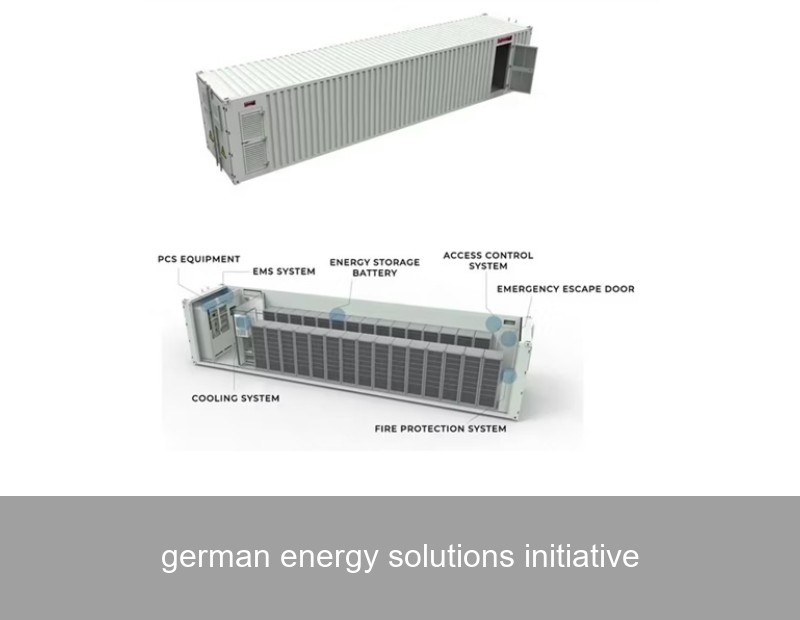
The GESI-Inspired Solution: The park implemented a turnkey energy storage system integrated with their existing PV and new energy management system (EMS). The core of the solution was a containerized Highjoule H4 C.I. Battery System with a capacity of 1.2 MWh and 1.5 MW power output.
The Results (Data after 12 months):
| Metric | Before Installation | After Installation |
|---|---|---|
| PV Self-Consumption | 35% | 89% |
| Peak Grid Draw | 2.5 MW | 1.4 MW |
| Annual Demand Charges | €185,000 | €102,000 |
| Grid Independence (during sun hours) | ~40% | ~95% |
| CO2 Emissions Avoided | Baseline | ~720 tonnes/year |
Furthermore, the system's integrated Highjoule GridSync™ Controller enables participation in the grid's balancing market, adding an estimated €25,000 in annual revenue. The project payback period was under 7 years, bolstered by relevant German federal state (Bundesland) incentives for storage paired with renewables. You can explore more about Germany's storage incentive frameworks through the Fraunhofer Institute for Solar Energy Systems, a leading research authority.
Highjoule's Role: Delivering Intelligence Beyond the Battery
At Highjoule, we understand that a successful German Energy Solutions Initiative-style project relies on more than just battery cells. Our expertise lies in delivering complete, intelligent storage solutions that are safe, efficient, and future-proof. For C&I and microgrid applications, our product suite includes:
- H4 C.I. Series: Containerized, all-in-one systems from 500 kWh to 3+ MWh, featuring UL9540/CE-certified safety, liquid cooling for longevity, and seamless integration with major inverter and EMS brands.
- Highjoule Energy Operating System (EOS): The brain of the installation. This AI-driven platform performs real-time energy forecasting, automated market bidding (where applicable), and holistic asset management, ensuring optimal financial and operational performance.
- Professional Services: From initial feasibility studies and financial modeling to system design, grid connection support, and long-term performance monitoring, our team ensures a smooth journey from concept to operation.

Our systems are designed with the rigorous standards of the European and North American markets in mind, ensuring compliance, safety, and grid-friendliness. By partnering with Highjoule, businesses are not just buying a battery; they are investing in a strategic energy asset that manages complexity autonomously.
The Future Grid: Prosumers, Microgrids, and New Market Opportunities
The principles championed by the German Energy Solutions Initiative are paving the way for a decentralized energy future. We are moving towards a landscape of active "prosumers" — entities that both produce and consume energy — and resilient microgrids. Storage is the key that unlocks this potential.
Consider the evolving value streams. Beyond peak shaving, assets like the Highjoule H4 system can provide:
- Virtual Power Plant (VPP) Integration: Aggregating distributed storage resources to act as a single, large power plant, providing capacity to grid operators. Learn about VPP potential in the US from the National Renewable Energy Laboratory (NREL).
- EV Charging Hub Support: Mitigating the high-power demand of ultra-fast EV chargers without costly grid upgrades.
- Enhanced Renewable Procurement: Enabling corporations to match their energy consumption with renewable generation on an hourly basis, a key aspect of credible decarbonization strategies.
The technology is ready, the economic models are proven, and the regulatory frameworks in many regions are catching up. The question is no longer "if" but "how" and "when" to integrate smart storage into your energy strategy.
A Final Thought to Power Your Decision
As you contemplate your organization's energy resilience and sustainability goals, what specific grid challenge or cost pressure—be it demand charges, backup power needs, or a corporate renewable target—could be transformed into an opportunity by a smart, integrated storage solution today?
 Inquiry
 Online Chat