


Grid Hybrid Solar Inverter: The Intelligent Heart of Modern Energy Independence
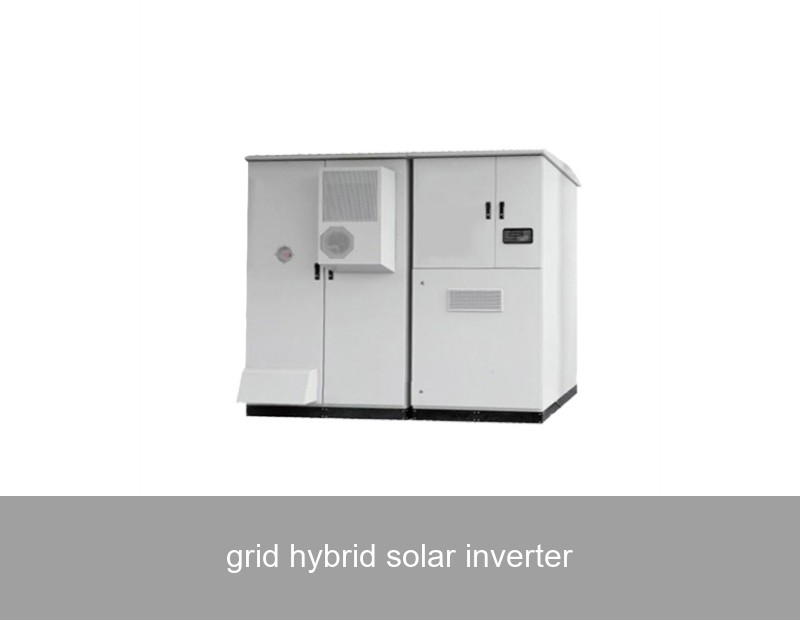
Have you ever watched your solar panels bathed in sunlight, yet wondered if you're truly maximizing every drop of that free energy? Or felt a pang of concern during a grid outage, knowing your standard solar system sits silent? This common experience highlights a critical gap in traditional solar setups. The true game-changer isn't just generating power; it's intelligently managing it. This is where the grid hybrid solar inverter comes in—a sophisticated device that acts as the brain and central command for a resilient, efficient energy system. It seamlessly blends power from the solar array, the utility grid, and a battery bank, giving homeowners and businesses unprecedented control over their electricity. For over 18 years, Highjoule has been at the forefront of this technology, engineering smart energy solutions that empower users across the globe to achieve true energy independence and stability.
Table of Contents
- What is a Grid Hybrid Solar Inverter?
- The Rising Demand: Why Hybrid Inverters Are Essential Now
- How a Hybrid Inverter Works: Your Personal Energy Manager
- Key Benefits of Choosing a Hybrid System
- A Real-World Case: The California Micro-Grid Project
- Choosing the Right Hybrid Inverter for Your Needs
- Highjoule's Role: Advanced Technology for a Sustainable Future
What is a Grid Hybrid Solar Inverter?
Let's break it down simply. A traditional solar inverter has one job: convert the direct current (DC) electricity from your panels into alternating current (AC) for your home's use. A battery inverter has a separate job: manage the charging and discharging of a battery bank. A grid hybrid solar inverter combines these functions—and much more—into a single, integrated unit. It is a multi-port energy hub that dynamically connects and manages three primary sources: photovoltaic (PV) solar panels, battery storage, and the public electricity grid. Its core intelligence lies in its ability to decide, in real-time, the most economical and efficient source of power to use, store, or even send back to the grid based on your habits, electricity rates, and grid conditions.

Image: A modern hybrid inverter system, the central unit for managing solar, battery, and grid power. Source: Unsplash
The Rising Demand: Why Hybrid Inverters Are Essential Now
The shift towards hybrid systems isn't just a tech trend; it's a direct response to global energy phenomena. First, electricity prices in Europe and North America have seen significant volatility and steady increases. Second, the frequency and intensity of weather-related grid outages are rising, as noted by infrastructure reports. Third, net metering policies (where you sell excess solar back to the grid) are becoming less lucrative in many regions. A hybrid inverter future-proofs your investment against these challenges. It allows you to store cheap, self-produced solar energy for use during expensive peak tariff periods or during a blackout, turning your property into a personal microgrid.
How a Hybrid Inverter Works: Your Personal Energy Manager
Think of your hybrid inverter as a savvy energy conductor. Here’s a typical day in its life:
- Morning & Sunny Afternoon: Solar panels produce more power than the home consumes. The inverter powers the house first, then directs surplus energy to charge the battery bank. Once batteries are full, it can export the remainder to the grid if it's financially beneficial.
- Evening Peak: Solar production drops as the sun sets, but electricity demand and rates soar. The inverter intelligently switches to draw power from the charged batteries, avoiding expensive grid electricity.
- Grid Outage: The moment the grid fails, the inverter automatically isolates the home from the grid (a critical safety feature called "islanding") and continues to power critical loads from the solar panels and batteries. Unlike traditional systems, you don't even notice the transition.
This operational logic is what sets apart advanced systems like those from Highjoule. Our HPS Series Hybrid Power Station, for example, features AI-driven energy forecasting that learns consumption patterns and weather forecasts to optimize battery cycles for maximum savings and longevity.
Key Benefits of Choosing a Hybrid System
| Benefit | Description | Impact |
|---|---|---|
| Energy Independence | Reduces reliance on the utility grid by maximizing self-consumption of solar energy. | Lower electricity bills, protection from rate hikes. |
| Uninterrupted Power Supply (UPS) | Provides near-instantaneous backup power during grid failures. | Essential appliances stay on, ensuring safety and comfort. |
| Financial Optimization | Can be programmed to use stored energy during high-cost time-of-use rates. | Maximizes return on investment (ROI) for both solar and storage. |
| Grid Support & Stability | Advanced models can provide services like peak shaving to support the local grid. | Contributes to community energy resilience. |
A Real-World Case: The California Micro-Grid Project
Data and theory are compelling, but real-world results are definitive. Consider a 2022 community project in Sonoma County, California, an area prone to Public Safety Power Shutoffs (PSPS) due to wildfire risk. A cluster of 25 homes was equipped with individual solar arrays, robust battery storage, and Highjoule's grid-hybrid inverter systems, all networked to form a collaborative microgrid.
The Challenge: Mitigate the impact of multi-day grid outages while managing individual household energy costs.
The Solution: Each home used a Highjoule HPS-10kW hybrid inverter with integrated energy management software. During a 36-hour grid outage in October 2022, the results were clear:
- 100% Uptime: All 25 homes maintained power for critical loads (refrigeration, lighting, communications).
- 73% Average Self-Sufficiency: The community derived 73% of its total energy needs from its own solar and storage during the outage, relying minimally on backup generators.
- Post-Outage Analysis: Households reported an average monthly bill reduction of 85% compared to neighbors without storage, thanks to optimal self-consumption and peak shaving.
This case, documented in part by the National Renewable Energy Laboratory (NREL), underscores how modern hybrid inverter technology is not a luxury but a practical solution for energy resilience and economics.

Image: Residential solar and storage systems creating resilient communities. Source: Unsplash
Choosing the Right Hybrid Inverter for Your Needs
Not all hybrid inverters are created equal. When evaluating options, consider these key factors:
- Power Rating: Match the inverter's capacity (e.g., 5kW, 10kW) to your home's peak load and solar array size.
- Battery Compatibility: Ensure it works seamlessly with leading battery chemistries (like LiFePO4) and brands.
- Efficiency: Look for peak efficiency ratings above 97%. Highjoule's systems, for instance, achieve up to 98.6%, minimizing energy loss as heat.
- Software & Monitoring: User-friendly apps that provide real-time data, consumption insights, and customizable modes are crucial for control.
- Scalability: Can the system be expanded later with more batteries or solar? Modular design is a significant advantage.
- Warranty & Support: A long warranty (10+ years) and strong technical support from a global provider like Highjoule provide peace of mind.
Highjoule's Role: Advanced Technology for a Sustainable Future
At Highjoule, we don't just manufacture inverters; we engineer integrated energy ecosystems. Our approach is built on three pillars: Intelligence, Integration, and Reliability. Our hybrid inverters are the core of this philosophy. They come with our proprietary EnergyOS platform, which uses machine learning to adapt to your energy lifestyle and external factors like weather forecasts from sources like the European Centre for Medium-Range Weather Forecasts (ECMWF).
For commercial and industrial applications, our C&I Energy Storage Solutions feature scalable, containerized battery systems managed by high-power hybrid inverters. These help businesses achieve demand charge reduction, participate in grid services, and ensure operational continuity. Whether it's a home in Germany seeking grid services participation, a farm in Italy needing reliable irrigation power, or a small factory in Texas managing peak demand charges, Highjoule's technology provides a tailored, robust pathway to energy sovereignty.
As you contemplate taking control of your energy future, what single question about your current power reliability or electricity bill would most motivate you to explore a grid hybrid solar inverter system for your property?
 Inquiry
 Online Chat