


Havells On-Grid Inverter: A Smart Choice for Modern Solar Systems
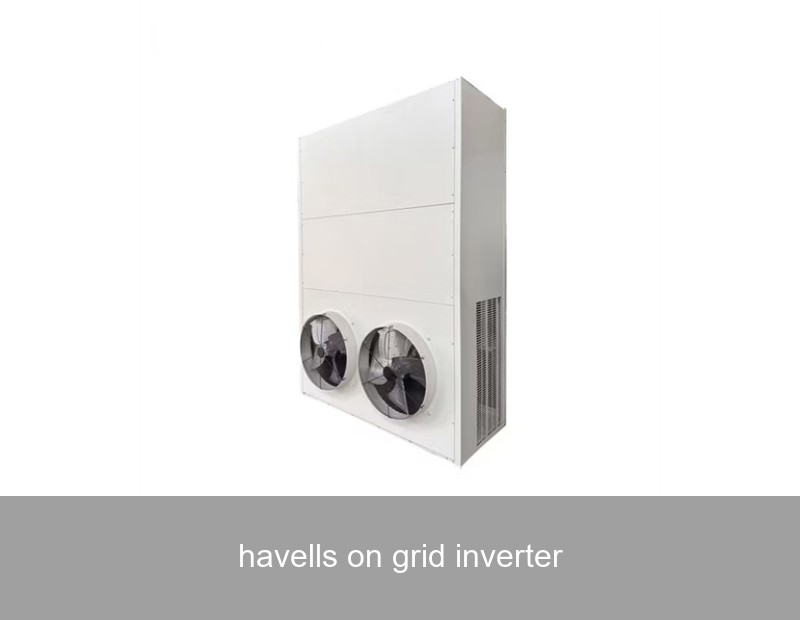
You've made the excellent decision to go solar. The panels are on your roof, soaking up the sun. But the silent, crucial hero of this setup—the device that converts that sunlight into usable electricity for your home or business—is the solar inverter. In the world of grid-tied systems, the Havells on-grid inverter has emerged as a popular and reliable name, particularly in markets like India. But as the global energy landscape evolves, especially in Europe and the U.S., homeowners and businesses are looking beyond just conversion efficiency. They seek intelligence, resilience, and true energy independence. This is where understanding the full ecosystem of your solar investment, including advanced alternatives and complementary technologies like battery storage, becomes paramount.
Table of Contents
What is an On-Grid Inverter and How Does It Work?
An on-grid or grid-tied inverter is the brain of a standard solar photovoltaic (PV) system. Its primary job is to convert the direct current (DC) electricity generated by your solar panels into the alternating current (AC) that powers your appliances and feeds into the public utility grid. When your panels produce more power than you use, the excess is sent to the grid (often earning you credits via net metering). When your demand exceeds solar production, you draw power from the grid seamlessly.
Key features of a standard on-grid inverter include:
- Grid Synchronization: It must match the grid's voltage, frequency, and phase.
- Anti-Islanding Protection: A critical safety feature that shuts down during a grid outage to protect utility workers.
- Maximum Power Point Tracking (MPPT): Optimizes the DC input from panels to maximize energy harvest.
A reliable inverter like those in the Havells on-grid inverter range performs these core functions effectively, ensuring your solar system operates smoothly under normal conditions.
Havells' Role in the On-Grid Solar Market
Havells is a well-established electrical equipment brand, and its foray into solar inverters brings its manufacturing expertise to the renewable sector. Their on-grid inverters are known for offering competitive efficiency ratings, robust build quality, and the trust of a familiar brand name. For consumers in regions with stable grids and infrequent outages, a Havells on-grid inverter can be a solid component of a solar installation.
However, it’s essential to recognize the inherent limitation of any basic on-grid inverter: it cannot provide backup power when the grid fails. The mandatory anti-islanding feature means the moment the grid goes down, your solar system—even on a sunny day—shuts off. This leaves you without power until grid supply is restored.
Beyond Conversion: Modern Grid Challenges in Europe and the U.S.
The conversation around solar power is shifting. In Europe and North America, energy users aren't just focused on reducing bills; they are increasingly concerned about resilience, self-consumption, and energy security.
- Grid Instability: From heatwaves in California straining the grid to extreme weather events across Europe, power outages are a growing concern (IEA, 2023).
- Time-of-Use Rates: Utilities are increasingly charging more for electricity during peak evening hours when solar production is low.
- The Need for Flexibility: The transition to renewables requires smarter systems that can store and dispatch energy, not just produce it.
This new reality demands technology that goes beyond the basic function of a grid-tied inverter. It calls for an integrated energy management system.
Case Study: The German Bakery's Power Dilemma
Consider a real-world scenario from Bavaria, Germany. A family-run bakery installed a 40kW solar system with high-quality on-grid inverters. Their goals were to cut energy costs and showcase environmental commitment. The system worked perfectly—reducing their daytime energy bill by 70%.
However, their two biggest challenges remained:
- Early Morning Peak: Their ovens fired up at 4 AM, a time of zero solar production, forcing them to buy expensive grid power.
- Mid-Day Export Glut: At noon, with the bakery busy but not at peak energy use, they exported most of their cheap, self-produced solar energy to the grid at low feed-in tariffs, only to buy it back later at a higher price.
The data was clear: they were only using 30% of their solar generation directly. The solution wasn't a better on-grid inverter; it was adding intelligent battery storage. By integrating a Highjoule Commercial Energy Storage System (H-CESS), they could store their midday solar surplus and use it to power the early morning oven rush. The result? Their self-consumption rate jumped to over 85%, and they were virtually immune to grid price spikes. The system paid for itself in under 5 years, a figure accelerated by rising energy costs.

Image Source: Unsplash - Representative image of commercial solar installation.
The Future-Proof System: Integrating Inverter and Storage Intelligence
The bakery's case illustrates the new standard. The optimal setup is no longer a singular device but a synergistic system:
| Component | Traditional Role | Advanced, Integrated Role |
|---|---|---|
| Solar Inverter | DC to AC conversion. Stops during outages. | Part of a hybrid or storage-ready system that can island from the grid. |
| Battery System | Not present. | Stores excess solar, provides backup, manages energy arbitrage. |
| Energy Manager | Not present. | An intelligent brain (like Highjoule's AI-driven platform) that forecasts usage, optimizes storage cycles, and maximizes ROI. |
How Highjoule Complements and Elevates Your Solar Investment
At Highjoule, we see the inverter as one vital piece of a larger energy puzzle. Founded in 2005, we specialize in advanced, intelligent storage solutions that unlock the full potential of solar generation, whether paired with a Havells on-grid inverter or any other major brand.
Our products are designed for the challenges of the European and American markets:
- Highjoule Residential ESS (H-RESS): A compact, wall-mounted system that seamlessly integrates with new or existing solar installations. It features built-in hybrid capabilities, allowing your system to safely island from the grid and provide backup power during outages—a function a standalone on-grid inverter cannot perform.
- Highjoule Commercial & Industrial (H-CI) Series: Scalable, containerized solutions for businesses and microgrids. These systems feature advanced lithium-iron-phosphate (LFP) battery chemistry for safety and longevity, coupled with our proprietary energy management software for peak shaving and demand charge reduction.
- Grid-Support Services: For large-scale installations, our systems can be configured to provide grid services like frequency regulation, adding a new revenue stream for system owners.

Image Source: Unsplash - Representative image of a modern home battery storage unit.
Think of it this way: a quality on-grid inverter is like a skilled translator. But Highjoule's storage system is the strategic librarian who stores the translated knowledge and dispenses it exactly when and where it's needed most, ensuring no valuable resource is wasted.
What's Your Energy Resilience Goal?
Choosing a solar component is the first step. The more critical question is: what do you want your energy system to achieve? Is it purely bill reduction, or is it also about securing power for your critical loads, increasing your self-sufficiency, and building a financial asset that protects you from future energy volatility? The U.S. Department of Energy highlights the benefits of pairing storage with grid-tied systems.
We invite you to consider this: If your grid went down tomorrow, would your current or planned solar setup keep the lights on? If not, what's the first step you'll take to move from a passive consumer to an active, resilient energy manager?
 Inquiry
 Online Chat