


Hembatteri Utan Solceller: Unlocking Energy Independence Beyond Solar
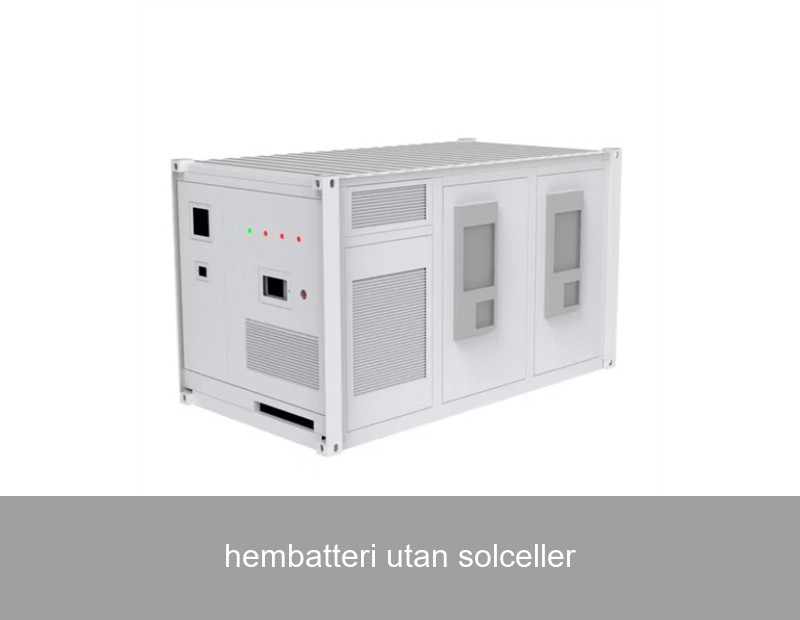
Imagine having more control over your home's electricity bill, even when the sun isn't shining. For years, the conversation around home energy storage has been intrinsically tied to solar panels. But what if you live in an apartment, a shaded home, or simply aren't ready for a full solar installation? This is where the concept of a hembatteri utan solceller (home battery without solar cells) comes into play, and it's rapidly changing how homeowners in Europe and the US think about energy resilience and cost savings.
A standalone home battery system is exactly what it sounds like: an advanced energy storage unit, like a sophisticated lithium-ion battery system, that connects directly to your home's electrical panel and the grid. It doesn't require solar panels to function. Instead, it intelligently charges when grid electricity is cheap (often at night) and discharges during peak hours when rates are high. This simple shift in when you use power can lead to significant financial benefits and provide a crucial backup during outages. As grid demands increase and electricity prices show volatile patterns, this technology offers a pragmatic path to greater energy autonomy.

Image Source: Unsplash - A modern home battery installation, demonstrating clean integration into a residential space.
The Grid Flexibility Imperative: Why "Solar-Less" Storage Makes Sense Now
The push for a hembatteri utan solceller isn't just a niche product trend; it's a response to concrete challenges in our modern energy infrastructure. Let's break down the phenomenon.
Phenomenon: Homeowners face rising and unpredictable electricity costs, coupled with growing concerns about grid reliability due to extreme weather events and shifting energy supply chains.
Data: According to the U.S. Energy Information Administration, the average U.S. residential electricity price has seen a steady climb, with notable spikes during peak demand periods (EIA, 2023). In Europe, the volatility in wholesale markets following recent geopolitical events has made time-of-use tariffs and dynamic pricing more common, sometimes creating price differences of 300% between off-peak and peak hours. Furthermore, a study by Lawrence Berkeley National Laboratory highlighted that major power outages have increased by more than 60% in the U.S. since 2015.
Case Insight: This data paints a clear picture: the grid is under stress, and costs are being passed to consumers. A standalone battery acts as a buffer. It allows you to avoid drawing power during expensive peak windows and provides essential backup power, turning your home into a mini-fortress against both financial and operational grid instability. This is energy management in its purest form.
Real-World Case Study: The Berlin Apartment Project
Let's move from theory to practice. A compelling example comes from a multi-family apartment building in Berlin, Germany. The building's owners wanted to reduce common area electricity costs (for lighting, elevators, HVAC in lobbies) and increase resilience without the option for rooftop solar, due to structural limitations.
The Solution: They installed a centralized hembatteri utan solceller system in the building's basement. The system was programmed to charge exclusively between 1 AM and 5 AM, when German grid electricity was at its lowest cost and carbon intensity. This stored energy was then used to power the building's common areas during the high-price afternoon and evening periods.
The Data & Results (12-month period):
| Metric | Before Installation | After Installation | Change |
|---|---|---|---|
| Common Area Electricity Cost | €8,400/year | €5,900/year | 30% Reduction |
| Grid Consumption During Peak Hours (3-8 PM) | ~95% | ~15% | ~80% Reduction |
| CO2 Footprint of Common Area Power | ~4.2 tons/year | ~3.3 tons/year | 21% Reduction |
This case demonstrates that a hembatteri utan solceller isn't just for single-family homes. It's a versatile tool for managing energy costs and sustainability goals in various property types, purely through intelligent energy arbitrage and load shifting.
Key Benefits for Homeowners Considering a Battery-Only System
Choosing to install a home battery without a solar array offers a distinct set of advantages:
- Peak Shaving & Cost Savings: Automatically reduce your reliance on grid power during the most expensive time-of-use rate periods. This is often where the fastest return on investment is realized.
- Uninterruptible Power Supply (UPS): The most immediate and tangible benefit. During a grid outage, the battery seamlessly takes over, keeping your lights, refrigerator, internet, and critical devices running for hours. No more spoiled food or scrambling for candles.
- Grid Support & Future-Proofing: Advanced systems can participate in grid services programs (like demand response), where utilities compensate you for allowing them to use your stored energy during extreme grid stress. This revenue stream is an emerging benefit.
- Lower Upfront Investment: Without the cost of solar panels and associated installation labor, a standalone battery system is a more accessible entry point into energy storage.
- Perfect for Limitations: It's the ideal solution for homes with shaded roofs, historical property restrictions, or rental situations where solar is not feasible.

Image Source: Unsplash - A technician ensures a home battery system is optimally configured for performance and safety.
Choosing the Right System: Capacity, Power, and Intelligence
Not all home batteries are created equal. When evaluating a hembatteri utan solceller, focus on three core specs:
- Usable Capacity (kWh): This is the "size of your fuel tank." How much energy can it store? A typical home might look for systems between 5 kWh and 20 kWh to cover essential loads or whole-home backup.
- Continuous Power (kW): This is the "size of the hose." How much power can it deliver at once? You need enough power to start motors (like your fridge compressor) and run multiple appliances simultaneously.
- Software & Grid Intelligence: This is the brain. The system must have sophisticated software that can learn your usage patterns, integrate with real-time electricity price data, and be configured for your specific goals—whether that's maximizing savings or ensuring backup duration.
Highjoule: Your Partner in Grid Independence
At Highjoule, with nearly two decades of experience since 2005, we understand that energy independence takes many forms. While we are a global leader in integrated solar-plus-storage solutions, our expertise is equally applied to optimizing hembatteri utan solceller installations. Our H-Series Residential Storage Units are engineered for this exact purpose.
What sets a Highjoule system apart is its Adaptive Grid AI software. When configured for a non-solar home, it doesn't just perform simple time-based charging. It connects to local utility pricing APIs (where available), forecasts household load, and even considers weather data to predict potential grid strain. It makes charging and discharging decisions that maximize your economic benefit and readiness. For homeowners in regions with volatile pricing, like many parts of Europe and the US, this intelligence transforms the battery from a passive backup into an active financial asset.
Our services extend beyond the hardware. We provide detailed energy assessments to right-size your system, professional installation by certified technicians, and remote monitoring to ensure your system performs optimally for years to come. We see the standalone home battery as a critical step in building a more flexible and resilient distributed energy grid, one home at a time.
Ready to Take Control?
Could your household budget benefit from a predictable, lower electricity bill? How much value would you place on knowing that the next grid outage won't disrupt your family's life or work? Exploring a hembatteri utan solceller might be the most practical step you can take this year towards energy security. What's the first question you would ask an energy specialist about installing a home battery in your situation?
 Inquiry
 Online Chat