


Home Generation of Electricity: Your Guide to Energy Independence and Savings
Imagine opening your electricity bill and feeling a sense of pride, not dread. This is the reality for a growing number of homeowners across Europe and the United States who have embraced home generation of electricity. Moving beyond simply consuming power from the grid, they are becoming proactive "prosumers"—producing, storing, and managing their own clean energy. This shift isn't just a trend; it's a fundamental change in how we power our lives, driven by technological advances, environmental awareness, and, frankly, a desire for stability in the face of volatile energy prices. In this guide, we'll explore how modern systems work, the tangible benefits they offer, and how companies like Highjoule are making energy independence more accessible and intelligent than ever.
Table of Contents
The Rise of the Home Power Plant
For decades, our relationship with electricity was one-way: a distant power plant generated it, and we consumed it. The concept of home generation of electricity flips this model on its head. It started with simple solar panels feeding excess power back to the grid. Today, it's a sophisticated ecosystem. The catalyst? A perfect storm of rising utility costs, increasing frequency of grid outages due to extreme weather, and remarkable drops in the price of key technologies like solar panels and lithium-ion batteries. Homeowners are no longer passive consumers; they are seeking control, resilience, and a way to lock in their energy costs for decades.

This movement is deeply personal. It's about keeping the lights on during a storm, protecting your family from rolling blackouts, and doing your part for the planet without sacrificing comfort. The technology has moved from a niche, expensive option to a mainstream home improvement that adds real value.
How a Modern Home Generation System Works
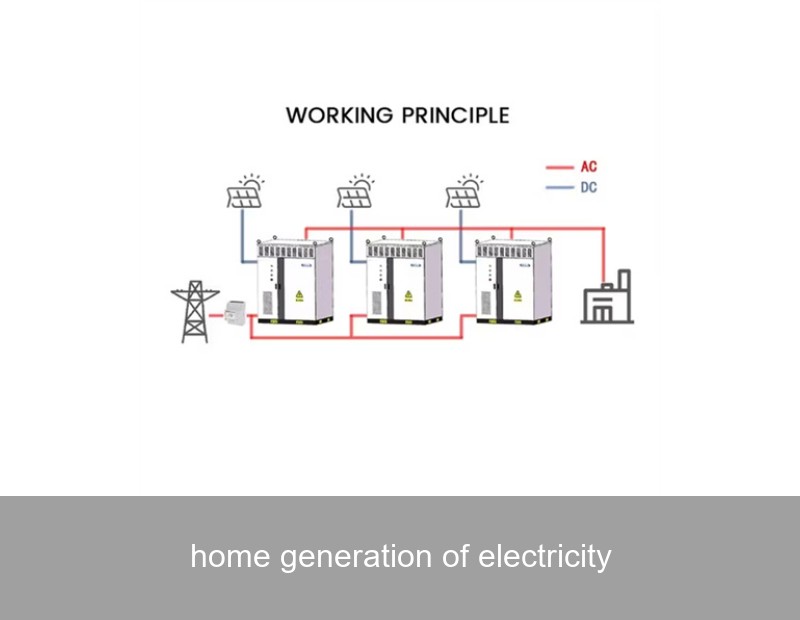
Think of a contemporary home energy system as a smart, self-sufficient team with specialized roles. It's far more than just panels on the roof.
- The Generator (Solar PV): This is your primary source of new power. Photovoltaic panels convert sunlight into direct current (DC) electricity. They are the workhorses, generating clean energy during the day.
- The Brain (Inverter/Energy Manager): The inverter is the crucial translator, converting DC power from the panels into the alternating current (AC) your home uses. In advanced systems, this "brain" also includes an energy management system that intelligently directs power where it's needed most—to your appliances, to your battery, or back to the grid.
- The Bank (Battery Storage): This is the game-changer. A home battery system, like those pioneered by Highjoule, stores the excess solar energy you produce but don't use immediately. Instead of sending it all to the grid for a small credit, you save it for when you need it most: at night, on cloudy days, or during a power outage. This is what truly unlocks 24/7 clean energy use and backup power.
This integrated setup creates a virtuous cycle: generate, store, optimize, repeat. It maximizes self-consumption of your solar energy, often exceeding 70-80%, which dramatically increases your savings and independence from utility rate hikes.
The Data: Why the Shift is Accelerating
The numbers tell a compelling story. According to the International Energy Agency (IEA), renewable capacity additions grew by almost 50% in 2023, with solar PV accounting for three-quarters of this growth, much of it from distributed systems like rooftop solar. In the U.S., residential solar installations have consistently broken records, even with evolving policy landscapes.
But it's not just about generation. The U.S. Energy Information Administration notes that the average duration of a power outage has been increasing. For homeowners, this isn't an abstract statistic—it's spoiled food, disrupted work, and potential safety risks. Furthermore, electricity prices in many European countries and U.S. states have seen significant volatility. This financial and security pressure is a powerful motivator for investing in a home-based solution.
Case Study: From Grid Dependency to Security in California
Let's look at a real-world example. The Miller family in Sonoma County, California, faced frequent Public Safety Power Shutoffs (PSPS) due to wildfire risk. In 2022, they decided to invest in a comprehensive home generation of electricity system.
| Component | Specification | Outcome |
|---|---|---|
| Solar PV Array | 10.2 kW | Covers 105% of annual electricity needs |
| Battery Storage | Highjoule H2 15.0 kWh | Provides critical load backup for 24+ hours |
| Energy Manager | Highjoule SmartHub | Automatically switches to backup during outages |
In the first year, the system eliminated their electricity bill and provided seamless backup power during four separate grid outages, the longest lasting 18 hours. "The peace of mind is priceless," says Sarah Miller. "Our kids could do homework online, the fridge stayed cold, and we didn't have to worry about finding a hotel. The system paid for itself not just in savings, but in normalcy." Their calculated return on investment is under 8 years, after which their energy costs will be minimal for the lifespan of the system.
The Highjoule Advantage: Smart, Integrated Energy Solutions
As a global leader in advanced energy storage since 2005, Highjoule understands that a successful home generation of electricity system hinges on seamless integration and intelligent control. Our philosophy is that hardware must be paired with smart software to deliver true value.
For homeowners, this means our Residential Energy Storage Systems are designed from the ground up to be the perfect partner for solar. Take our flagship H-Series battery. It's not just a box that stores energy; it's a scalable, modular unit that can be tailored to your home's specific consumption patterns. Its compact, weather-resistant design offers flexible installation options.

The real magic, however, lies in the Highjoule Energy Operating System (EOS). This proprietary platform is the central intelligence. It learns your energy habits, forecasts weather and solar production, and automatically decides the most economical way to use your energy—whether to power your home, charge the battery, or export to the grid when rates are favorable. In the event of an outage, the switch to battery power is instant and silent, ensuring your essential loads stay on without interruption.
For us at Highjoule, it's about providing a complete, reliable, and user-friendly solution that empowers homeowners to take control. We support our systems with global monitoring and expert technical support, ensuring your journey to energy independence is smooth and sustained.
Making the Leap: Key Considerations for Your Home
Ready to explore home generation of electricity for yourself? Here are a few practical steps to start your journey:
- Audit Your Energy Use: Review your past year's electricity bills. Understand your consumption patterns (monthly kWh usage) and current rate structure. This is the baseline for sizing a system.
- Evaluate Your Site: Does your roof have good, unshaded southern exposure (in the Northern Hemisphere)? A professional site assessment can determine your solar potential.
- Think Beyond Solar: Consider battery storage from the beginning. Even a modest battery can provide critical backup and significantly increase the self-consumption of your solar energy, enhancing your ROI.
- Research Incentives: Many governments and utilities offer tax credits, rebates, or favorable net metering policies. For example, the U.S. federal Investment Tax Credit (ITC) and various European subsidies can substantially reduce the upfront cost.
- Choose a Partner, Not Just a Product: Look for an experienced provider that offers integrated system design, quality components, smart software, and long-term service. The goal is a holistic solution, not just a collection of parts.
The transition to producing your own power is one of the most impactful upgrades a modern homeowner can make. It's an investment in financial predictability, home resilience, and a sustainable future.
 Inquiry
 Online Chat