


Your Guide to a Modern Home Solar Power Station: Energy Independence Made Simple
Imagine a quiet, sunny afternoon. Your home is humming along, powered not by the distant grid, but by the sun shining on your roof. The lights are on, the fridge is cold, and your electric vehicle is charging in the driveway—all from clean, self-generated energy. This isn't a futuristic dream; it's the daily reality for millions of homeowners with a modern home solar power station. But what exactly is this system, and how can it transform your relationship with energy? Let's explore.
Table of Contents
- The Phenomenon: From Simple Panels to Intelligent Power Stations
- The Data: Why Home Solar Stations Are Surging
- A Real-World Case: The Johnson Family's Journey
- The Core Insight: It's About Control, Not Just Panels
- Key Components of a High-Performance Home Solar Power Station
- How Highjoule Powers Smarter Home Energy
- What's Your Home's Energy Potential?
The Phenomenon: From Simple Panels to Intelligent Power Stations
Not long ago, "home solar" meant a few panels on the roof that only worked when the sun was out. Today, that concept has evolved dramatically. A contemporary home solar power station is an integrated ecosystem. It captures, stores, manages, and optimizes your household's energy flow. Think of it as a personal, miniature utility company on your property. The core shift is from solar generation to complete energy management, giving you unprecedented control over your power usage, costs, and resilience.
The Data: Why Home Solar Stations Are Surging
The numbers tell a compelling story. According to the Solar Energy Industries Association (SEIA), the U.S. residential solar market has seen an average annual growth of over 20% in the past decade. But the real growth engine is now energy storage. In Q4 2023, a record 55% of new U.S. residential solar systems were paired with batteries—a figure that was below 10% just five years prior. In Europe, driven by energy security concerns and favorable policies, the home battery market is projected to grow by over 30% annually through 2027.
This trend is fueled by three key factors:
- Rising Electricity Prices: Volatile fossil fuel markets make grid power increasingly expensive.
- Grid Reliability Concerns: From heatwaves in California to winter storms in Texas, grid outages are becoming more frequent.
- Technological Advancement: Batteries are more efficient and affordable, while smart inverters and software make systems incredibly intelligent.
A Real-World Case: The Johnson Family's Journey
Let's make this concrete. Meet the Johnson family in Austin, Texas. In 2022, they installed a 10 kW rooftop solar array. While it cut their daytime bill, they still faced high evening charges and anxiety during grid alerts. In early 2023, they upgraded their setup to a full home solar power station by integrating a robust 15 kWh battery storage system and an energy management platform.
The results after one year were striking:
| Metric | Before (Solar Only) | After (Full Solar + Storage Station) |
|---|---|---|
| Grid Electricity Import | 45% of total usage | 12% of total usage |
| Monthly Energy Bill | Average $85 | Average $12 (mostly grid connection fees) |
| Outage Protection | None | Seamless backup for critical loads for over 24 hours |
| Self-Consumption of Solar | ~60% | ~94% |
During a widespread 8-hour grid outage in July 2023, while their neighbors scrambled, the Johnsons' home maintained power for lights, refrigeration, and essential devices, all from their battery reserve. Their system even automatically prioritized charging their EV with excess solar when the battery was full. This is the power of a true home solar power station.

Image Source: Unsplash (Representative image of a modern solar-powered home)
The Core Insight: It's About Control, Not Just Panels
The Johnsons' story highlights the fundamental insight: the value of a home solar power station lies in energy control and optimization. It's the difference between having a source of energy and having a smart manager for that energy. This control manifests in three ways:
- Temporal Control (Time-Shifting): Store cheap, abundant solar energy from the afternoon to use during expensive peak evening hours.
- Reliability Control (Backup): Create an automatic, instant microgrid for your home when the main grid fails.
- Financial Control (Optimization): In some markets, you can even provide services to the grid or sell power at optimal times, though the primary benefit is maximizing self-use.
Key Components of a High-Performance Home Solar Power Station
To achieve this level of control, a sophisticated home solar power station integrates several key technologies:
1. High-Efficiency Solar Panels
The energy harvesters. Modern monocrystalline panels routinely exceed 22% efficiency, capturing more energy from the same roof space.
2. The Smart Inverter: The System's Brain
This is the crucial hub. It converts DC solar power to AC for your home, but more importantly, it manages the flow between solar panels, battery, home loads, and the grid. Advanced inverters enable features like rapid islanding (switching to backup power) and grid-support functions.
3. The Battery Energy Storage System (BESS): Your Energy Bank
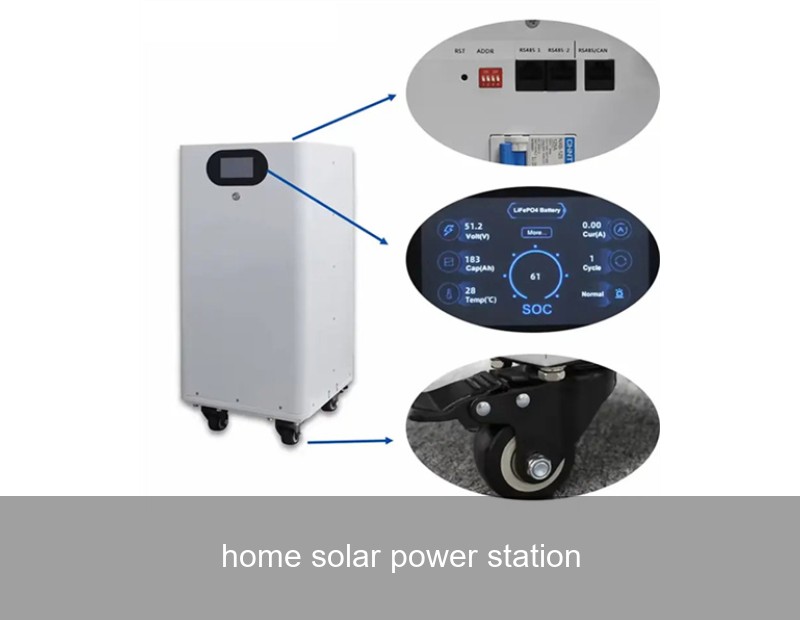
The heart of independence. Lithium-ion phosphate (LFP) batteries are now the standard for safety, longevity, and performance. Capacity is key—a well-sized battery should cover your critical overnight load and provide meaningful outage protection.

Image Source: Unsplash (Representative image of a home battery system)
4. Energy Management System (EMS): The Conductor
This is the software intelligence. A good EMS learns your consumption patterns, weather forecasts, and utility rate schedules to automatically decide when to charge the battery, when to power the home, and when to export—all to maximize your savings and comfort.
How Highjoule Powers Smarter Home Energy
This is where expertise and integrated design matter most. At Highjoule, with nearly two decades of experience in advanced energy storage, we don't just sell components; we deliver optimized home solar power station solutions. Our approach centers on the Highjoule HEMS (Home Energy Management System), which seamlessly unifies our high-capacity LFP battery modules with your solar inverter.
For homeowners, this means a system that is:
- Proactive, Not Reactive: The HEMS uses forecast data to ensure your battery is optimally charged before a storm or a peak rate period begins.
- Scalable: Start with a battery capacity that fits your budget and add more modules later as your needs grow (e.g., adding an EV or heat pump).
- Resilient by Design: Our systems are built for thousands of cycles and are backed by industry-leading warranties, ensuring your investment is protected for the long term.
We partner with certified installers across Europe and North America to provide a complete service—from initial consultation and system design to commissioning and ongoing performance monitoring. Our goal is to make the transition to a personal home solar power station seamless, reliable, and profoundly beneficial.
What's Your Home's Energy Potential?
The journey to energy independence starts with a simple question: How much of your home's power could be under your direct control? While every roof and energy profile is unique, the technology to create a resilient, cost-saving home solar power station is now mature and accessible. What would energy security and predictable monthly costs mean for your household's future?
 Inquiry
 Online Chat