


Home Solar Power System Chennai: Your Guide to Energy Independence
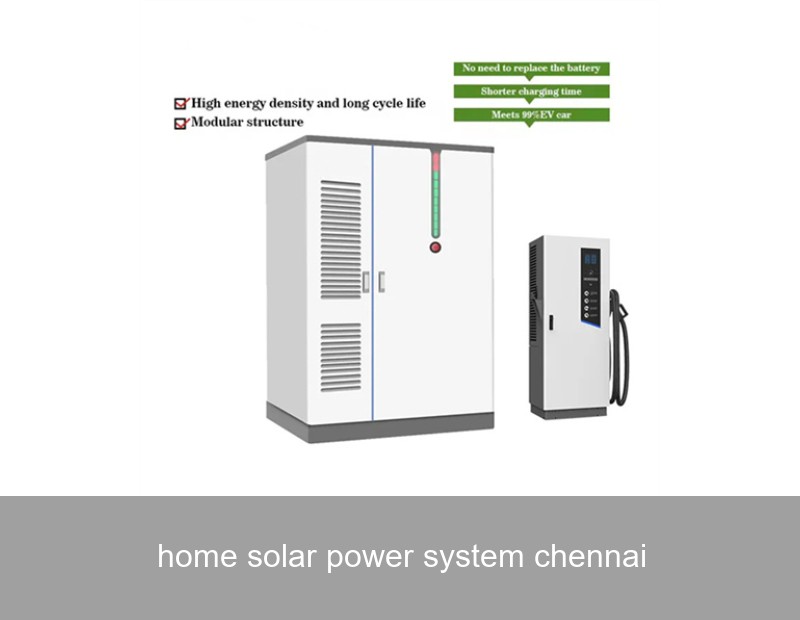
If you're a homeowner in Chennai, you have a powerful, yet often untapped, resource shining down on your roof nearly 300 days a year. The concept of a home solar power system in Chennai is moving from a novel idea to a household essential. But why now? The answer lies in a perfect storm of rising grid tariffs, increasing climate-consciousness, and the very real need for reliable power during those critical summer months and monsoon-induced outages. This isn't just about installing panels; it's about building a resilient, intelligent energy ecosystem for your home. Let's explore how modern solar solutions, particularly those integrated with advanced storage, are transforming how Chennai homes consume and think about electricity.
The Chennai Sun Dilemma
Chennai is blessed with high solar insolation, averaging about 5.5 to 6.0 kWh/m²/day. In theory, this is more than enough to power a typical household. Yet, the traditional solar setup—panels that only work when the sun shines—has a critical flaw. What happens during the evening peak demand, or on a cloudy monsoon day? You're forced back to the grid, missing the full potential of your investment. The true modern home solar power system in Chennai solves this by coupling generation with storage, ensuring that the abundant daytime energy is available precisely when you need it most.

Image Source: Unsplash - A modern Chennai home equipped for solar energy.
Beyond Panels: The Heart of a Modern System
A complete, resilient home solar solution comprises several key components working in harmony:
- Solar Photovoltaic (PV) Panels: Capture sunlight and convert it to direct current (DC) electricity.
- Inverter: The brain of the operation. It converts DC from the panels (and batteries) into usable alternating current (AC) for your home appliances. Modern hybrid inverters are essential for systems with storage.
- Battery Energy Storage System (BESS): This is the game-changer. It stores excess solar energy produced during the day for use at night or during outages.
- Energy Management System (EMS): Intelligent software that optimizes when to use solar power, when to store it, and when to draw from the grid, maximizing savings and efficiency.
It's this integrated approach that defines today's high-performance home solar systems.
Why Storage is Non-Negotiable for Chennai
Think of your solar panels as a superb rainwater harvesting setup. The battery is your storage tank. Without it, the water (energy) you can't use immediately simply runs away. With Chennai's specific pattern of daytime heat (running ACs) and frequent evening power needs, a battery ensures your self-generated power aligns with your consumption pattern, providing true energy autonomy and significant protection from tariff hikes.
The Highjoule Advantage: Intelligence Meets Resilience
This is where a global leader like Highjoule makes a distinct difference. Founded in 2005, Highjoule doesn't just supply components; we provide integrated, intelligent power solutions. For a homeowner in Chennai considering a home solar power system, our value lies in seamless integration and smart management.
Our HiveMind™ Home Energy Platform is a prime example. It combines our high-efficiency lithium-ion battery storage with a hybrid inverter and an intuitive AI-driven energy manager. The system learns your household's energy habits—when you run the washing machine, set the AC, or charge your EV—and automatically optimizes energy flow. It prioritizes solar consumption, strategically stores surplus, and only uses the grid as a last resort, all while giving you real-time visibility and control via a smartphone app.
For Chennai's challenging climate, Highjoule systems are built with durability in mind, featuring robust thermal management to ensure battery longevity and performance even during the hottest months. We offer solutions scalable from essential backup to full home electrification, ensuring your investment grows with your needs.

Image Source: Unsplash - A modern, wall-mounted home battery storage unit.
A Chennai Case Study: Power Through the Monsoon
Let's look at a real-world application. The Sharma residence in Anna Nagar, a typical upper-middle-class home with a monthly electricity bill averaging ₹8,500, decided to move beyond partial savings to full energy security in late 2022.
The Challenge: High daytime AC usage, frequent short-duration grid outages, and the desire to be resilient during the prolonged monsoon rains when traditional solar systems underperform.
The Solution: A Highjoule integrated system was installed:
- 8.2 kWp solar array
- Highjoule HiveMind™ 10 kWh lithium-ion battery storage
- Highjoule Hybrid Inverter with grid-assist functionality
| Metric | Before Installation (Grid-Only) | After Installation (12-Month Average) |
|---|---|---|
| Monthly Electricity Bill | ₹8,500 | ₹950 (mainly fixed charges) |
| Grid Dependency | 100% | <15% (monsoon months) |
| Self-Consumption of Solar | N/A | Over 85% |
| Backup During Outages | Limited to inverter for fans/lights | Full home power, including 2 ACs, for 6-8 hours |
During the peak of the 2023 monsoon, when a neighborhood grid fault caused a 14-hour outage, the Sharma household operated normally. The system had stored enough energy from the previous sunny day to cover essential and comfort loads seamlessly, a testament to the critical role of adequate, high-quality storage in a home solar power system in Chennai.
Financial Sense: ROI and Sustainability
The economics are compelling. While the upfront cost of a system with storage is higher, the long-term savings are transformative. For a typical Chennai home, a well-sized system can offer a return on investment (ROI) within 5-7 years, thanks to slashing 80-90% of your electricity bill. Furthermore, you are insulating yourself from inevitable future grid tariff increases, effectively locking in your energy cost for the system's 20+ year lifespan.
Beyond the personal financial benefit, the environmental impact is profound. By switching to solar, a single Chennai household can reduce its carbon footprint by several tons of CO2 annually. When you consider the collective impact, the move towards decentralized solar energy is a significant step for urban sustainability, reducing strain on the central grid, which often relies on fossil fuels. For more on the broader benefits of solar energy, you can review data from authoritative sources like the International Energy Agency (IEA).
Choosing Your Partner in Energy Independence
Selecting the right technology and partner is crucial. Look for providers with a proven global track record in integrated storage solutions, not just panel installers. Key considerations include:
- Technology & Integration: Ensure the battery, inverter, and software are designed to work seamlessly together.
- Warranty & Lifecycle: High-quality lithium-ion batteries should come with a performance warranty of 10 years or more.
- Local Support & Service: Your provider must have reliable local technicians for installation and maintenance.
- Scalability: Can the system be expanded if your energy needs grow (e.g., adding an EV charger)?
Companies like Highjoule, with nearly two decades of expertise in grid-tied and off-grid applications worldwide, bring this rigorous engineering and reliability to the residential market, ensuring your home solar power system in Chennai is a robust, long-term asset.
As you contemplate this shift, consider this: With the sun as your fuel and intelligent storage as your reserve, what could your home achieve with uninterrupted, clean, and self-generated power? The future of energy isn't just about consumption; it's about intelligent management and independence. What's the first appliance you'd want to power forever with the sun?
 Inquiry
 Online Chat