


How Much Does a 300kW Generator Cost? The Modern Power Solution Breakdown
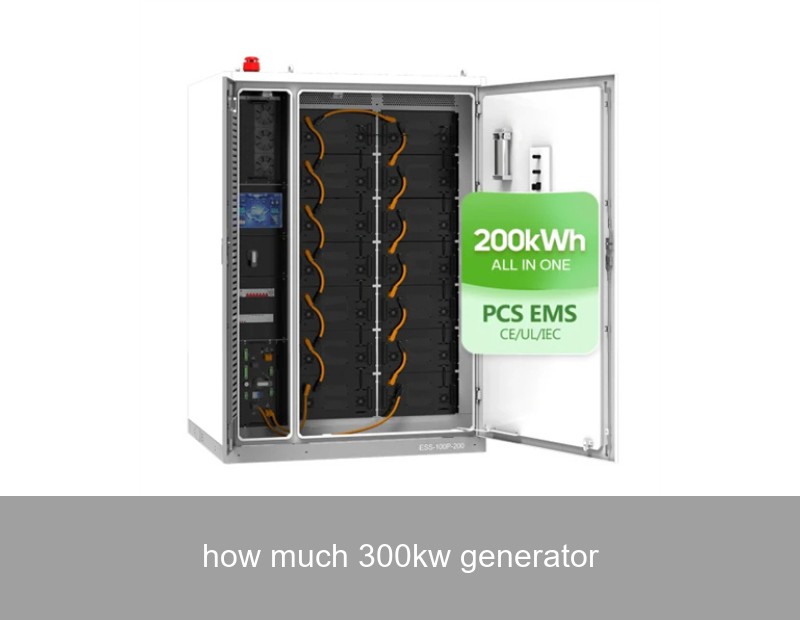
When your business or community faces power reliability issues, a 300kW generator often emerges as a go-to solution. But the question, "how much does a 300kW generator cost?" opens a much deeper conversation about modern energy. The traditional answer—anywhere from $50,000 to $150,000+ for a diesel or natural gas unit—is just the beginning. Today, savvy operators are looking beyond fuel costs, maintenance, and carbon footprints. They're discovering that integrating a 300kW generator with a battery energy storage system (BESS) creates a smarter, more efficient, and sustainable power asset. Let's explore the true cost and value of a 300kW power solution in the age of renewables.
The Traditional 300kW Generator Price Tag
A standalone 300kW diesel or natural gas generator has a relatively clear upfront capital expense (CapEx). Prices vary based on brand, fuel type, and specifications like sound attenuation or emission controls.
| Generator Type | Estimated Upfront Cost Range (USD) | Key Considerations |
|---|---|---|
| Diesel Standby Generator | $50,000 - $90,000 | Lower fuel cost volatility, higher maintenance, emissions. |
| Natural Gas Generator | $70,000 - $120,000 | Requires gas line, lower emissions, fuel price linkage. |
| Bi-Fuel (Diesel & Natural Gas) | $100,000 - $150,000+ | Fuel flexibility, higher complexity and cost. |
However, this is merely the entry fee. To understand the total cost of ownership, we must look at operational expenses over a 10-15 year lifespan.
The Hidden Costs of Fuel-Based Generators
Thinking only about the purchase price is like buying a car and forgetting about gas and repairs. The real expense lies in operation.
- Fuel Costs: A 300kW diesel generator at 80% load consumes about 20-25 gallons per hour. With volatile fuel prices, this can mean tens of thousands annually.
- Maintenance: Regular oil changes, filter replacements, and major overhauls every few thousand hours add significant recurring costs.
- Environmental Compliance: Stricter emissions regulations, especially in Europe and parts of the US, may require costly after-treatment systems.
- Inefficiency in Light-Loading: Generators run inefficiently at partial load, wasting fuel when power demand is low.
This is where the energy landscape is shifting. According to the U.S. Department of Energy's Solar Futures Study, integrating storage with generation is key to a resilient and cost-effective grid.
The Modern Paradigm: Generator + Storage
The most advanced commercial and industrial power users are no longer asking just "how much for a generator?" They're asking, "What's the most reliable and economical total system?" The answer increasingly is a hybrid system combining a generator with a battery energy storage system (BESS).
Here’s the logic: The BESS acts as a primary buffer. It can handle short-duration outages, daily peak shaving, and solar smoothing. The 300kW generator is then reserved for prolonged outages or peak demand periods, meaning it runs far less frequently—only when absolutely necessary. This paradigm shift delivers massive benefits:
- Slash Fuel & Maintenance Costs: Reduced runtime directly cuts fuel bills and extends generator maintenance intervals.
- Enhanced Reliability: The BESS provides instant, seamless power during an outage before the generator even needs to start.
- Revenue & Savings: The BESS can participate in demand charge reduction or grid services programs, creating income.
- Lower Emissions: Less generator operation means a direct reduction in your carbon footprint.

Image Source: Unsplash - A modern BESS container, a key component in hybrid power systems.
The Highjoule Solution: Intelligent Hybrid Power Systems
This is where Highjoule's expertise becomes critical. Since 2005, we've moved beyond simply providing storage to delivering integrated, intelligent power solutions. For a client considering a 300kW generator, we might instead propose a Highjoule Intelligent Hybrid Power System.
Our system combines a scaled-down generator (perhaps a 200kW unit) with a tailored Highjoule BESS and our proprietary energy management system (EMS). The EMS is the brain, making real-time decisions to optimize cost, efficiency, and reliability.
Highjoule's Product Integration
- H-Joule Cube Commercial BESS: Scalable, containerized solutions with industry-leading lithium-ion technology for safety and longevity.
- Smart EMS Platform: AI-driven software that forecasts load, manages energy flow, and decides when to dispatch battery power or start the generator.
- Seamless Generator Integration: We design and engineer the complete interface between your existing or new generator and our BESS.
The result? You get the guaranteed backup of a generator with the smart economics of a battery. The total system cost, while potentially higher upfront than a generator alone, delivers a vastly superior return on investment and future-proofs your operations.
A Real-World Case Study: Microgrid in Southern Europe
Let's look at concrete data. A medium-sized agricultural processing plant in Southern Europe faced unreliable grid power and high demand charges. Their initial plan was a new 300kW diesel generator (CapEx: ~€85,000).
- 200kW diesel generator
- Highjoule 500kWh / 250kW BESS
- Highjoule EMS with peak shaving and grid interaction software
- Existing rooftop solar PV integration
| Metric | Result |
|---|---|
| Generator Runtime | Reduced by 70% |
| Annual Fuel & Maintenance Savings | €28,000 |
| Demand Charge Savings | €15,000 per year |
| Payback Period | Under 5 years (vs. generator-only) |
| CO2 Emissions Reduction | ~55 tonnes annually |
This case, documented in part with data from the International Renewable Energy Agency (IRENA) on hybrid system benefits, shows the transformative financial and operational impact.

Image Source: Unsplash - Advanced control systems are crucial for managing hybrid energy assets.
Making the Right Decision for Your Power Needs
So, how much does a 300kW generator cost? The honest answer is: It depends on the total system you build around it. The era of the standalone generator is fading, giving way to intelligent, hybrid microgrids.
Before you commit to a major capital expense, consider these questions:
- What is my true annual cost of fuel and generator maintenance?
- Could my peak demand charges be managed by a battery?
- Do I have, or plan to install, solar PV that needs stabilization?
- What are my sustainability goals, and how do they affect my brand and compliance?
Highjoule's team of experts works with you to model these scenarios. We provide a clear analysis comparing the lifetime cost of a traditional generator versus a Highjoule Hybrid System, so you can make a data-driven decision.
Ready to Calculate Your Specific Solution?
The journey to resilient and cost-effective power starts with a conversation. What unique energy challenges is your facility facing, and how could an intelligent hybrid system transform your bottom line and operational reliability?
 Inquiry
 Online Chat