


How Much Do Inverters Cost? A Comprehensive Guide to Your Solar Brain's Price and Value
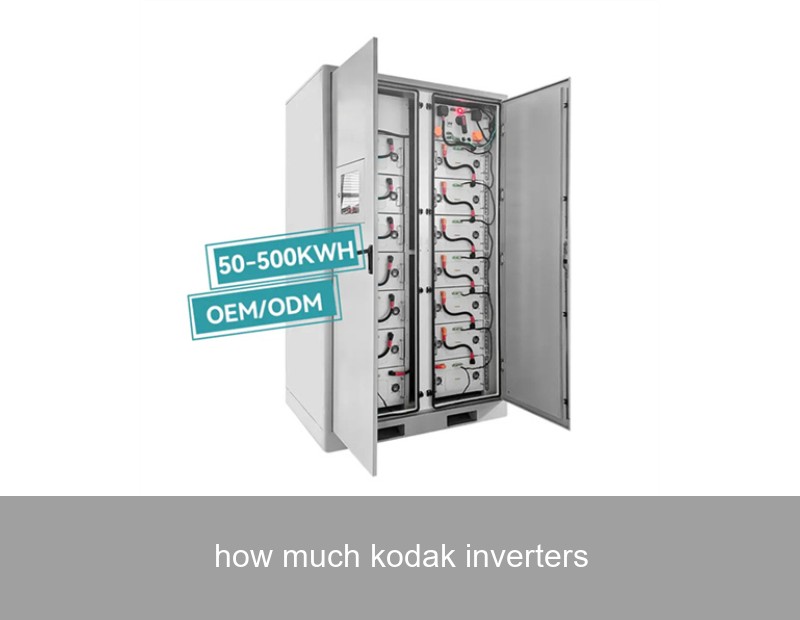
If you're planning a solar or battery storage system, you've likely asked the central question: how much do inverters cost? It's a smart starting point. Often called the "brain" of a solar power system, the inverter's job is crucial—converting the direct current (DC) electricity from your panels or batteries into the alternating current (AC) that powers your home or business. While a quick online search might show prices ranging from a few hundred to several thousand dollars, the true answer is nuanced. The cost isn't just a number on a receipt; it's an investment in efficiency, reliability, and the long-term performance of your entire energy setup. In this guide, we'll demystify inverter pricing, explore the factors that drive costs, and explain why choosing the right one is pivotal for your energy independence.
Key Factors That Determine How Much Your Inverter Costs
Think of inverter pricing like buying a car. A compact city car and a rugged SUV serve different purposes and come with vastly different price tags. Similarly, an inverter's cost is shaped by its capacity, intelligence, and the specific job it needs to do. Let's break down the primary cost drivers.
Power Rating and System Size
This is the most straightforward factor. Inverters are rated in kilowatts (kW), and generally, a higher power rating means a higher cost. A typical residential system in the U.S. or Europe might use inverters between 5kW to 10kW. However, it's not always a simple 1:1 ratio. The cost per kW often decreases as you move to larger commercial or utility-scale inverters due to economies of scale.
- Residential (5-10kW): $1,000 - $3,500+
- Commercial (10kW-100kW+): $3,000 - $20,000+
Inverter Type and Technology
The technology behind the inverter significantly impacts its price and performance.
- String Inverters: The most common and cost-effective option for standard installations with unshaded panels. Prices are lower, but if one panel underperforms, it can affect the whole string.
- Microinverters: Attached to each individual solar panel. They optimize performance panel-by-panel (ideal for shaded roofs) and increase system safety but come at a premium cost per watt.
- Hybrid/Battery Inverters: These are the multi-talented stars of modern energy systems. They can manage power from solar panels, a battery bank, and the grid simultaneously. This added complexity and functionality make them more expensive than standard string inverters but are essential for energy resilience.

Image Source: Unsplash (Representative image of inverter technology)
Features and Smart Capabilities
Today's inverters are intelligent energy managers. Advanced features add cost but also tremendous value:
- Grid Services & Peak Shaving: Inverters that can automatically reduce grid draw during expensive peak hours.
- Advanced Monitoring: Real-time, circuit-level energy tracking via user-friendly apps.
- Black Start Capability: The ability to reboot and form a microgrid without grid power—a key feature for true backup.
- Efficiency Rating: A 97% efficient inverter versus a 99% efficient one can translate to significant energy gains over 25 years, justifying a higher initial cost.
Installation Complexity and Brand
Installation costs vary by system complexity, local labor rates, and electrical work required. A reputable brand like Highjoule, with a proven track record for reliability and robust warranty support, may command a higher price than an unknown brand. This premium is an investment in peace of mind and long-term system health.
A Real-World Inverter Cost Breakdown
To make this tangible, let's look at a typical scenario for a homeowner in Germany or California.
| Component | Low-End Estimate | High-End / Smart System Estimate | Notes |
|---|---|---|---|
| String Inverter (8kW) | $1,200 - $1,800 | $2,000 - $2,500 | High-end includes advanced monitoring & grid-support functions. |
| Hybrid Inverter (8kW + Battery Ready) | $2,500 - $3,500 | $4,000 - $6,000+ | Essential for adding storage later. Premium models offer integrated energy management. |
| Professional Installation & Permits | $800 - $1,500 | $1,000 - $2,000 | Varies greatly by region and system complexity. |
| Total Inverter Project Cost | $2,000 - $3,300 | $5,000 - $8,000+ | The "smart" system prepares you for the future of energy. |
Looking Beyond the Price: The True Value of a Quality Inverter
Focusing solely on upfront cost can be a costly mistake. A cheaper inverter might have lower efficiency, a shorter warranty, or lack the software needed to adapt to changing energy tariffs. According to a report by the National Renewable Energy Laboratory (NREL), inverter reliability and performance are leading factors in the long-term yield and financial return of a PV system. The real question shifts from "how much do inverters cost?" to "what is the total value over its lifetime?"
The Highjoule Approach: Intelligent Inversion for Modern Energy Systems
At Highjoule, we design inverters that are the cornerstone of intelligent energy ecosystems. Our products, like the Highjoule H-Series Hybrid Inverter, are built with a forward-looking philosophy. We understand that our customers aren't just buying a converter; they're investing in a platform for energy independence.
Our inverters go beyond basic functionality. They feature:
- Adaptive Power Management: Dynamically allocates solar power between home consumption, battery charging, and grid export based on real-time needs and cost settings.
- Seamless Integration: Designed from the ground up to work perfectly with Highjoule's battery storage systems and energy management software, creating a unified, high-performance solution for residential, commercial, and microgrid applications.
- Grid-Interactive Capabilities: Ready to participate in grid services where available, potentially creating new revenue streams for system owners.

Image Source: Unsplash (Representative image of a solar-powered home)
Case Study: Maximizing ROI with the Right Inverter Choice
Let's examine a real-world application. A medium-sized dairy farm in the Netherlands wanted to reduce its operational costs and carbon footprint. They installed a 45kW solar array. The initial quote used a standard commercial string inverter.
The Highjoule Solution: Our experts recommended a segmented system using three of our 15kW Commercial Hybrid Inverters, coupled with a modest 40kWh battery bank. This allowed the farm to:
- Use stored solar power to run critical cooling systems during the evening high-tariff period, a concept known as peak shaving.
- Maintain essential operations during brief grid outages.
- Provide detailed monitoring of energy flows per barn segment.
The Data-Driven Result: While the initial investment was 18% higher than the string-inverter-only option, the intelligent system reduced the farm's grid energy costs by an additional 32% annually. The payback period was actually shortened by 1.5 years due to these enhanced savings, showcasing that a higher upfront cost for a smarter inverter can lead to a faster and greater return on investment.
Choosing the Right Inverter for Your Investment
So, how much should your inverter cost? The answer depends entirely on your goals. Are you simply looking to offset daytime grid use, or are you building a resilient, intelligent energy asset that protects you from outages and volatile energy prices?
We encourage you to think of your inverter as the command center of your personal energy network. What features are non-negotiable for your home or business to achieve true energy security and efficiency in the next decade?
 Inquiry
 Online Chat