


Innovations in Solar Energy: Powering a Brighter, Smarter Future
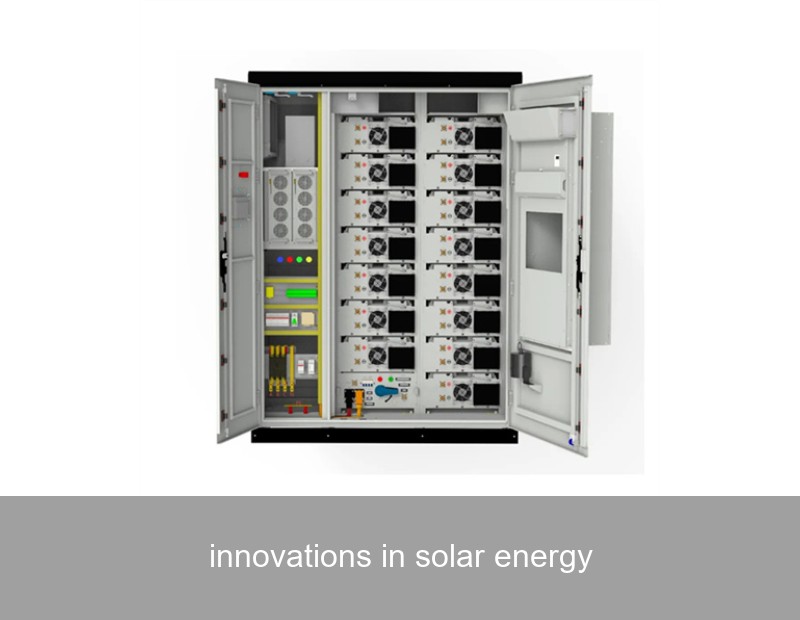
Table of Contents
- From Panels to Integrated Systems: The Solar Evolution
- Key Innovations Beyond the Solar Panel
- Bifacial Solar Panels
- Perovskite Tandem Cells
- The Energy Storage Revolution
For decades, solar power was straightforward: install panels, generate electricity when the sun shines, and feed the surplus back to the grid. But what happens when the sun sets, or when grid prices become volatile? The conversation around innovations in solar energy has dramatically shifted. Today, the most groundbreaking advancements aren't just about squeezing a few more percentage points of efficiency from a silicon cell. They are about creating intelligent, resilient, and fully integrated energy ecosystems. This transformation is moving us from simple solar generators to sophisticated, self-optimizing power plants for homes, businesses, and communities.
From Panels to Integrated Systems: The Solar Evolution
The initial wave of solar innovation focused squarely on the photovoltaic (PV) module itself. Engineers raced to improve conversion efficiency, reducing the cost per watt dramatically. This was crucial for adoption. However, we've reached a point where focusing solely on panel efficiency delivers diminishing returns for overall system performance. The true frontier now lies in how we capture, manage, store, and utilize that solar energy. Think of it this way: having a more efficient water pump (the solar panel) is great, but without a smart irrigation system and a large reservoir (intelligent controls and storage), much of that water is wasted. The latest innovations in solar energy address this holistic challenge, ensuring every photon captured is put to its most valuable use.
Key Innovations Shaping the Solar Landscape
Let's break down some of the most impactful advancements that are redefining what a solar energy system can do.
1. Bifacial Solar Panels: Harvesting Light from Both Sides
Traditional panels capture sunlight only on their front side. Bifacial panels, with transparent backsheets or glass, capture direct sunlight on the front and reflected light (from the ground, rooftops, or other surfaces) on the rear. In optimal installations, like elevated structures over reflective surfaces, this can yield up to 20-30% more energy generation compared to monofacial panels. This innovation effectively increases energy yield without needing more rooftop or land area.
2. Perovskite Tandem Solar Cells: The Efficiency Frontier
Silicon solar cells are approaching their theoretical efficiency limit. Enter perovskite tandem cells. These stack a perovskite solar cell on top of a traditional silicon cell. Each layer absorbs a different part of the solar spectrum, dramatically reducing energy loss. While still scaling up for commercial durability, lab efficiencies have soared past 33%, shattering previous records. This promises a future where solar panels could be both more powerful and potentially cheaper to manufacture. Research from NREL continues to drive this technology forward.

Image Source: U.S. Department of Energy (public domain illustration)
3. AI and Smart Energy Management: The Digital Brain
Perhaps the most transformative innovation is software, not hardware. Artificial Intelligence (AI) and machine learning algorithms are becoming the central nervous system of solar installations. These systems can:
- Predict Generation: Analyze weather forecasts to predict solar yield for the next hours and days.
- Optimize Consumption: Automatically schedule energy-intensive appliances (like EV charging or industrial processes) to run during peak solar production.
- Maximize Financial Returns: In markets with variable electricity pricing, decide in real-time whether to consume, store, or sell energy back to the grid for the highest profit.
This turns a passive generation asset into an active, revenue-optimizing tool.
4. The Energy Storage Revolution: Making Solar Power Dispatchable
This is the cornerstone of modern solar innovation. Advanced battery energy storage systems (BESS) are what truly unlock solar's potential, transforming it from an intermittent source into a reliable, 24/7 power solution. Modern lithium-ion batteries, with improved chemistries like Lithium Iron Phosphate (LFP) for safety and longevity, are just the start. The real innovation lies in system integration and grid services. A sophisticated BESS doesn't just store excess solar; it can provide backup power during outages, stabilize the local grid, and participate in energy markets. This is where companies like Highjoule excel. Since 2005, we've specialized in designing and deploying intelligent storage solutions that seamlessly integrate with solar arrays. Our Highjoule HPS Series for commercial and industrial applications, for instance, features built-in AI-driven energy management that prioritizes self-consumption, reduces demand charges, and ensures critical operations never lose power.
Case Study: A German Manufacturing Plant's Journey to 90% Energy Autonomy
Let's look at a real-world application of these converging innovations. A mid-sized automotive parts manufacturer in Bavaria, Germany, faced rising energy costs and stringent carbon reduction targets. Their existing 500 kW rooftop solar system covered only ~30% of their daytime load, exporting excess at low feed-in tariffs.
The Solution: In 2023, they deployed an integrated upgrade:
- Bifacial Panel Expansion: Added 200 kW of bifacial panels on a new carport structure.
- Highjoule HPS-800 Storage System: A 800 kWh battery storage system with integrated hybrid inverters.
- Highjoule Neuron Platform: An AI-powered energy management system (EMS) that controls the entire ecosystem.
The Data-Driven Results (12-month period):
| Metric | Before Upgrade | After Upgrade |
|---|---|---|
| Solar Self-Consumption | 35% | 98% |
| Grid Energy Purchased | 70% of need | 10% of need |
| Peak Demand Charges | €15,000/month (avg.) | €3,500/month (avg.) |
| Carbon Footprint (Scope 2) | ~450 tons CO2e/year | ~45 tons CO2e/year |
The EMS intelligently charges the batteries with excess solar, discharges them to shave peak grid demand, and maintains a strategic reserve for backup. The project achieved a return on investment in under 5 years, showcasing how innovations in solar energy, when combined with smart storage, deliver tangible economic and environmental results. Fraunhofer ISE's annual reports consistently highlight such storage-coupled systems as key to Germany's Energiewende (energy transition).
The Highjoule Approach: Integrating Innovation into Reliable Systems
At Highjoule, our role as a global advanced energy storage provider is to curate, validate, and seamlessly integrate these cutting-edge innovations into robust, bankable systems. We don't just sell batteries; we deliver comprehensive power resilience and financial optimization. For our residential clients, the Highjoule Home+ system integrates with any solar inverter, offering intuitive app control and ensuring families have light and power during outages. For larger commercial and microgrid projects, our Highjoule GridSynch platform allows multiple storage units to operate in concert, forming a virtual power plant that can support local grid stability. Our expertise lies in making complex technological innovations in solar energy work together simply and reliably for our customers across Europe and North America.

Image Source: Highjoule project portfolio (real installation image)
The Horizon: What's Next for Solar Innovation?
The trajectory is clear: the future is integrated, intelligent, and decentralized. We are moving towards energy networks where your home's solar+storage system, your neighbor's EV battery, and a local community wind farm can communicate and trade energy peer-to-peer via blockchain-secured platforms. Innovations like vehicle-to-grid (V2G) technology will turn electric car fleets into massive grid assets. The fundamental question is no longer "how efficient is your panel?" but rather "how smart and resilient is your entire energy ecosystem?"
Is your current solar investment operating at its full potential, or is it waiting for the brain and the battery to unlock its true value?
 Inquiry
 Online Chat