


The Inversor Solar Hibrido Off Grid: Your Ultimate Guide to Energy Independence
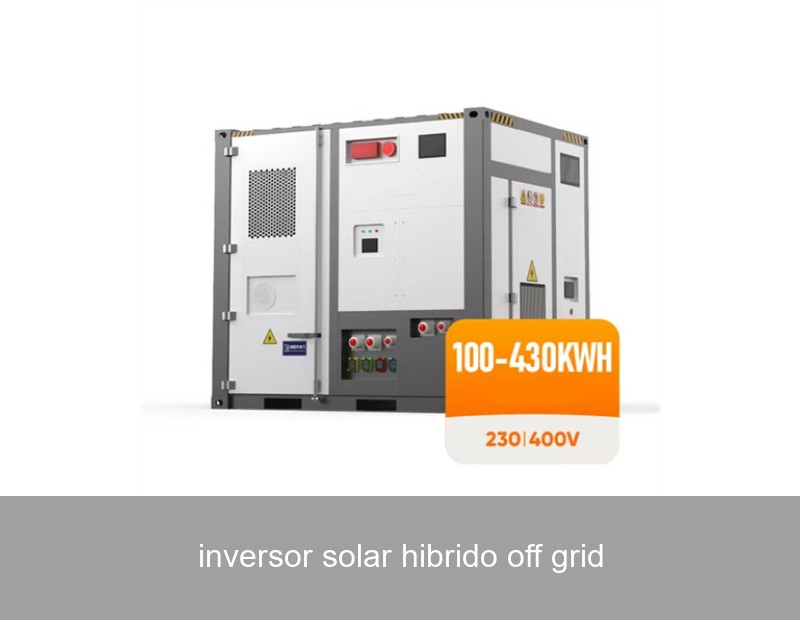
Imagine a power system that harvests the sun's energy, stores it for a rainy day (or a calm night), and can seamlessly keep your lights on even when the wider grid goes dark. This isn't a futuristic dream—it's the practical reality delivered by a hybrid off-grid solar inverter. For homeowners and businesses across Europe and the US seeking true energy resilience, this technology is the cornerstone of a modern, self-sufficient power setup. But what exactly is it, and how can it transform your relationship with electricity? Let's demystify this powerful piece of technology.
At its core, a hybrid off-grid inverter is the intelligent brain of a solar-plus-storage system designed for locations with limited or no grid connection, or for those who prioritize complete energy independence. Unlike simple grid-tie inverters that shut down during outages, or basic off-grid inverters that can't interact with a grid, a hybrid model does it all. It manages solar panels, battery storage, and optionally a backup generator, creating a robust and flexible microgrid for your property.

Image Source: Unsplash - A modern hybrid inverter system for residential use.
How Does It Work? The Intelligent Energy Manager
Think of your hybrid off-grid inverter as a sophisticated energy traffic controller. Its primary job is to direct power from multiple sources to where it's needed most, ensuring efficiency and reliability. Here’s a typical flow:
- Solar Priority: During the day, solar panels generate DC electricity. The inverter converts it to AC to power your home appliances in real-time.
- Battery Charging: Any excess solar energy, instead of being wasted, is directed to charge your battery storage system.
- Battery Discharge: When the sun sets or during high consumption, the inverter draws power from the batteries to meet your demand.
- Backup Source Activation: If solar and battery reserves are depleted (e.g., during prolonged cloudy weather), the inverter can automatically start a backup generator or, if connected, draw a limited amount from the grid to recharge the batteries.
| Condition | Primary Power Source | Secondary Source | System Goal |
|---|---|---|---|
| Sunny Day | Solar Panels | Excess to Batteries | Direct Use & Storage |
| Nighttime | Battery Bank | None/Generator if low | Discharge Storage |
| Cloudy & Low Battery | Battery Bank | Generator/Grid Assist | Ensure Continuous Supply |
| Grid Outage (if connected) | Solar & Battery | Isolated from Grid | Maintain Off-Grid Operation |
Key Benefits: Why Go Hybrid Off-Grid?
The decision to invest in a hybrid off-grid system is driven by more than just a desire to be green. It's a strategic move for resilience, control, and long-term savings.
- Complete Energy Independence: Free yourself from grid outages, fluctuating utility rates, and infrastructure vulnerabilities. This is particularly valuable in rural areas of the US or remote European locations where grid reliability can be a concern.
- Maximized Solar Self-Consumption: Store your excess solar energy instead of selling it back at a lower rate. You use what you produce, dramatically increasing your system's ROI. Data from the National Renewable Energy Laboratory (NREL) shows that pairing solar with storage can increase self-consumption of solar electricity by 40% to 80%.
- Uninterrupted Power Supply (UPS): The transition during a grid failure is instantaneous. Your essential loads never experience a blip, protecting sensitive electronics and ensuring comfort and safety.
- Scalability and Flexibility: These systems are modular. You can start with a configuration that meets your current needs and expand your solar array or battery capacity later.
A Real-World Case: Mountain Home Resilience in Colorado, USA
Let's look at a concrete example. A family living in a mountainous region of Colorado faced frequent winter grid outages due to heavy snow and storms. Their old generator was noisy, expensive to run, and required manual starting. They installed a 10kW solar array with a 25kWh lithium-ion battery bank, all managed by a robust hybrid off-grid inverter.
- Data & Results:
- Annual electricity bill reduction: 100% (off-grid achieved).
- Outage protection: Seamless power through multiple multi-day winter storms.
- Generator usage: Reduced from ~500 hours/year to less than 50 hours/year, solely for top-ups in deepest winter.
- System self-sufficiency: Achieves 92% annual energy autonomy, with the generator filling the gap.
This case highlights the hybrid inverter's role as a manager. It automatically prioritized solar and battery power, only engaging the generator as a last resort, saving fuel and wear-and-tear.

Image Source: Unsplash - Remote homes are ideal candidates for hybrid off-grid systems.
Choosing the Right System for Your Needs
Not all hybrid inverters are created equal. Key considerations include:
- Power Rating (kW): Must cover your peak home load (e.g., well pump + washing machine + kitchen appliances).
- Battery Compatibility & Voltage: Ensure it works seamlessly with modern lithium-ion (LiFePO4) batteries for longer lifespan and depth of discharge.
- Efficiency: Look for peak efficiency ratings above 95%. Every percentage point matters in an off-grid scenario.
- Scalability: Can it handle additional battery units or parallel inverter units for future expansion?
- Monitoring & Control: User-friendly apps for monitoring production, consumption, and battery state are essential for system optimization.
The Highjoule Solution: Engineered for Independence
At Highjoule, with nearly two decades of experience since 2005 in advanced energy storage, we understand the critical demands of reliable off-grid power. Our HPS Series Hybrid Power Station is engineered specifically for the challenges faced by European and American homeowners and businesses seeking robust, off-grid and backup power solutions.
Our HPS Series isn't just an inverter; it's an integrated system featuring a high-efficiency hybrid inverter, scalable LiFePO4 battery modules, and intelligent energy management software. Designed for simplicity and reliability, it offers:
- All-in-One Design: Simplified installation with pre-wired, UL/Certified components for safety and peace of mind.
- True Off-Grid Capability: Built to form a stable island grid, powering everything from sensitive electronics to heavy-duty appliances without hesitation.
- Advanced Battery Management: Our proprietary BMS ensures maximum battery life, safety, and performance, even in extreme temperatures.
- Grid-Assist Optionality: While designed for off-grid living, it can be configured for grid-interactive use, providing backup power and load-shaving capabilities where the grid is available but unreliable.
We provide end-to-end support, from initial site assessment and design to commissioning and remote monitoring, ensuring your journey to energy independence is smooth and successful.

Image Source: Unsplash - Professional installation and monitoring are key.
Your Next Step Towards Energy Independence
The technology for secure, clean, and self-reliant power is here and proven. The hybrid off-grid solar inverter is the key that unlocks this potential, transforming sunlight into a dependable, 24/7 power source for your home or business.
What would complete energy security mean for you? Could the peace of mind during a storm, or the freedom from rising utility costs, change how you live and work? We invite you to explore what a system designed for your specific needs could look like.
Are you ready to map out your path to energy independence? What's the first question you need answered to make a confident decision?
 Inquiry
 Online Chat