


Unlocking Energy Independence: The Complete Guide to a 12kW Hybrid Solar Inverter
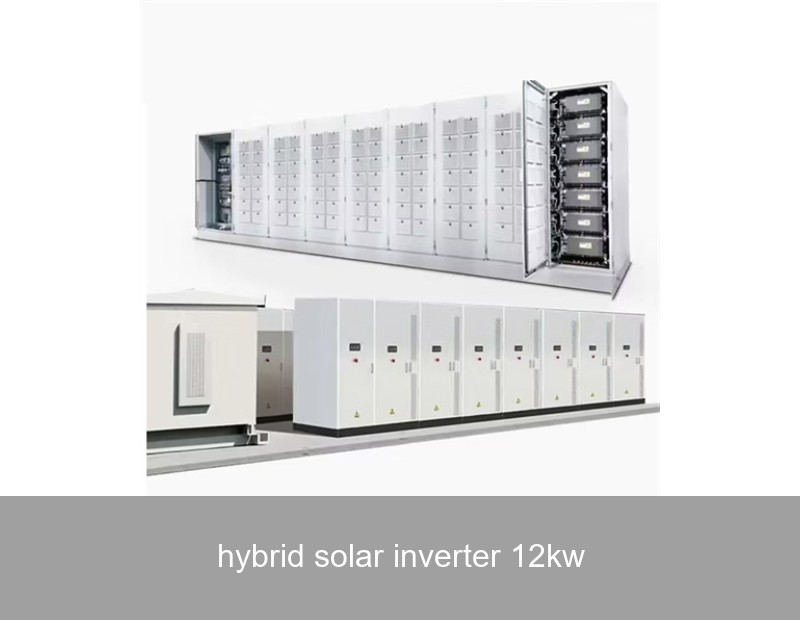
Have you ever watched your electricity bill climb with a sense of helplessness, or wondered what happens to your solar panels' excess energy on a brilliantly sunny day? You're not alone. Across homes in Europe and the US, a quiet energy revolution is happening, moving beyond simple solar generation to intelligent energy management. At the heart of this shift is a powerful device: the hybrid solar inverter 12kW. This isn't just an upgrade; it's the central brain for a modern, resilient, and cost-effective home energy system. Let's explore how this technology works and why it might be the key to your energy freedom.
Table of Contents
- What is a 12kW Hybrid Solar Inverter?
- Why Choose a 12kW System? The Data Behind the Size
- Key Benefits: More Than Just Backup Power
- A Real-World Case: The Smith Residence in California
- Choosing the Right Hybrid Inverter: What to Look For
- The Highjoule Solution: Engineered for Performance and Simplicity
- Is Your Home Ready for a Smarter Grid?
What is a 12kW Hybrid Solar Inverter?
Think of a traditional solar inverter as a one-way street: it converts direct current (DC) from your panels into alternating current (AC) for your home, sending any excess straight to the grid. A hybrid solar inverter is a multi-lane highway with intelligent traffic management. It not only converts DC to AC but also intelligently directs energy flow between your solar panels, your home's electrical circuits, a battery storage system, and the main grid.
A 12kW hybrid inverter is specifically designed to handle substantial energy loads. The "12kW" refers to its continuous power output rating, meaning it can simultaneously manage the input from a large solar array (often up to 15-18kW DC) and deliver sufficient power to run heavy home loads—think air conditioning, electric vehicle chargers, and appliances—all while charging a battery bank. It's the ideal cornerstone for medium to large homes with high energy consumption or those seeking comprehensive energy security.
Why Choose a 12kW System? The Data Behind the Size
The shift towards larger systems like those built around a 12kW hybrid inverter is driven by clear trends. According to the U.S. Department of Energy's Solar Futures Study, decarbonization goals and falling technology costs are accelerating solar adoption. Meanwhile, the average electricity consumption for a U.S. home is around 10,500 kWh annually, but larger or all-electric homes can easily consume 15,000-20,000 kWh or more.
A 12kW solar system, paired with a capable hybrid inverter, can typically generate 14,000 to 18,000 kWh per year (depending on location), effectively covering or significantly offsetting this demand. Furthermore, with the rise of time-of-use rates from utilities and less favorable net metering policies, storing energy for use during peak evening hours has become a crucial financial strategy. The 12kW hybrid inverter enables this seamlessly.
Key Benefits: More Than Just Backup Power
- Maximized Self-Consumption: Prioritizes using your solar energy directly in your home, then stores the surplus in batteries instead of selling it cheaply to the grid.
- Uninterruptible Power Supply (UPS): Provides near-instantaneous backup power during grid outages, keeping essential circuits running. This functionality is becoming a primary purchase driver in areas prone to extreme weather or grid instability.
- Intelligent Energy Management: Advanced models can be programmed to charge batteries from the grid during off-peak, low-cost periods and discharge during expensive peak times, a process known as arbitrage.
- Grid Support & Future-Proofing: Modern hybrid inverters can provide grid services, like frequency regulation. As virtual power plants (VPPs) become more common, your system could even earn revenue by supporting the local grid.
A Real-World Case: The Smith Residence in California
Let's look at a concrete example. The Smith family in Sacramento, California, installed a 14.5kW solar array with a 12kW hybrid inverter and a 20kWh battery system in early 2022. Their goals were to eliminate time-of-use charges, ensure backup power for home office operations, and prepare for potential public safety power shutoffs (PSPS).
Data & Results (First 12 Months):
| Metric | Result |
|---|---|
| Annual Solar Generation | 19,100 kWh |
| Energy Self-Consumption Rate | Increased from 35% to 82% |
| Grid Energy Import (Peak Hours) | Reduced by 94% |
| Outages Protected Against | 4 (Total of 42 hours) |
| Estimated Annual Savings vs. Old System | $2,850 |
The hybrid inverter's logic was set to keep the battery at 50% reserve for outages and use the remaining capacity for daily peak shaving. This case, typical for many in the US and sun-rich parts of Europe, demonstrates the tangible financial and resilience benefits of a correctly sized hybrid system.

Image Source: Unsplash (Representative image of a home solar and storage installation)
Choosing the Right Hybrid Inverter: What to Look For
Not all hybrid inverters are created equal. When evaluating a 12kW hybrid solar inverter, consider these technical and operational factors:
- Efficiency: Look for peak efficiency ratings above 97%. High efficiency means less energy is lost as heat during conversion.
- DC-to-AC Ratio (Overloading Potential): Can it handle a larger DC solar array than its AC rating? A 12kW AC inverter with a 1.5 ratio can accept up to 18kW of solar, capturing more energy in ideal conditions.
- Battery Compatibility & Voltage: Ensure it works seamlessly with leading battery chemistries (like LiFePO4) and matches your desired battery bank voltage (e.g., 48V).
- Number of MPP Trackers: Multiple Maximum Power Point Trackers allow you to connect solar panels facing different directions or with different tilts, optimizing overall yield.
- Software & Monitoring: A user-friendly app with detailed analytics on production, consumption, and battery status is essential for managing your system.
The Highjoule Solution: Engineered for Performance and Simplicity
At Highjoule, with nearly two decades of experience in advanced energy storage, we've designed our HPS Series Hybrid Power Station to meet these exacting demands. Our 12kW model is built for the discerning homeowner who refuses to compromise on reliability or intelligence.
The Highjoule HPS-12K integrates a high-efficiency hybrid inverter, a scalable LiFePO4 battery cabinet (modular from 10kWh to 30kWh), and our proprietary EnergyOS management software into one streamlined solution. What sets it apart is its three-phase readiness—a critical feature for many European homes—and its grid-forming capability, which allows it to create a stable microgrid during an outage, something many traditional inverters cannot do.

Image Source: Unsplash (Representative image of advanced inverter technology)
Our systems are designed for the long term, with a focus on safety, cycle life, and seamless integration with both new and existing solar arrays. We provide end-to-end support, from initial system design by our technical experts to commissioning and ongoing monitoring through our global service network. For commercial or microgrid applications, Highjoule offers scalable solutions that build on this same core technology, ensuring robust performance for businesses and communities.
Is Your Home Ready for a Smarter Grid?
The journey to energy independence isn't just about generating power; it's about controlling it intelligently. A 12kW hybrid solar inverter represents a significant step toward taking full command of your energy costs, your carbon footprint, and your home's resilience. As you consider your options, ask yourself: What value would you place on never worrying about a blackout again, or on finally breaking free from the volatility of utility rates?
What's the first question you would ask a specialist when designing your own hybrid energy system?
 Inquiry
 Online Chat