


Inversores para Paneles Fotovoltaicos: The Intelligent Heart of Your Solar Power System
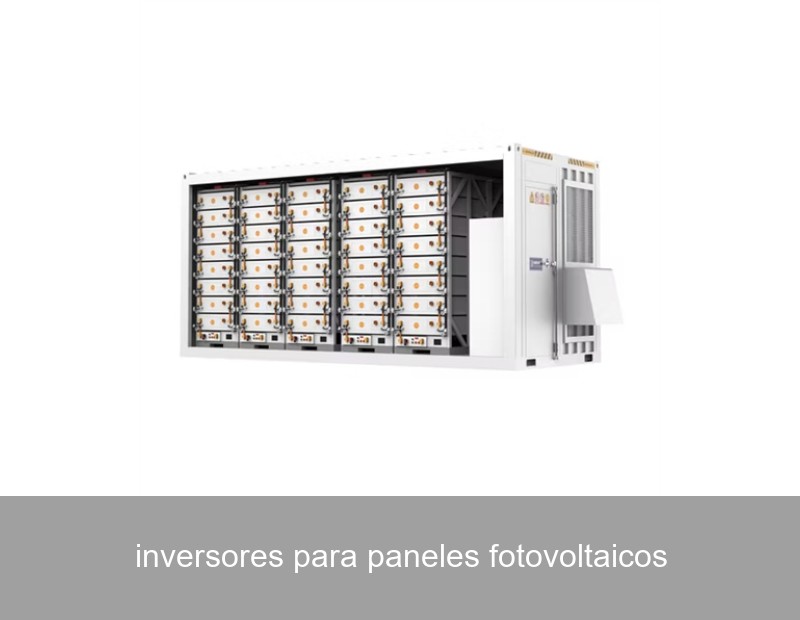
You've seen the sleek panels on rooftops, symbols of a cleaner energy future. But did you know the true brain and powerhouse of any solar installation is the inversor para paneles fotovoltaicos (photovoltaic inverter)? This critical device is what transforms the raw, direct current (DC) electricity from your solar panels into the usable alternating current (AC) that powers your home or business. As grid instability and energy costs rise across Europe and the U.S., choosing the right inverter technology isn't just a technical detail—it's the key to unlocking maximum savings, reliability, and energy independence.
Table of Contents
- What is a Solar Inverter and Why Does It Matter?
- Types of Inversores para Paneles Fotovoltaicos: Choosing Your Champion
- Beyond Conversion: Key Features of Modern Smart Inverters
- The Future of Inverter Technology & System Integration
- Choosing Your Inverter Partner: What to Look For
What is a Solar Inverter and Why Does It Matter?
Think of your solar array as a team. The panels are the muscle, capturing sunlight. The inversor fotovoltaico is the coach and playmaker, managing the team's output, ensuring efficiency, and communicating with the grid. Its core function—DC to AC conversion—is vital because our electrical grids and appliances run on AC power. But today's advanced inverters do so much more. They perform Maximum Power Point Tracking (MPPT) to constantly squeeze the most energy from your panels, even on cloudy days. They provide critical safety functions, like automatically shutting down during a grid outage (unless paired with a battery). In essence, the inverter's intelligence directly determines how much of the sun's potential ends up as usable power in your sockets.
Types of Inversores para Paneles Fotovoltaicos: Choosing Your Champion
Not all inverters are created equal. The right choice depends on your roof, budget, and goals. Here’s a breakdown of the main types:
| Type | Best For | Pros | Cons |
|---|---|---|---|
| String Inverters | Simple, unshaded roofs; cost-effective systems. | Lower upfront cost, proven technology, easy maintenance. | Performance limited by the weakest panel in the "string." Shade on one panel affects all. |
| Microinverters | Complex roofs with shading, panels facing multiple directions. | Panel-level optimization, maximizes production in challenging conditions, enhanced safety (low voltage DC). | Higher initial cost per watt, more components to potentially maintain. |
| Hybrid or Battery-Ready Inverters | Anyone planning to add energy storage now or in the future. | Seamless integration with batteries, can manage multiple energy sources (solar, grid, battery). | More complex system design and potentially higher initial investment. |
This is where a provider's expertise becomes crucial. At Highjoule, we don't just sell inverters; we design integrated energy systems. Our Highjoule H-Energy Hub is a prime example of a sophisticated hybrid inverter system. It's engineered to be the central command unit, not only managing solar production with ultra-high efficiency (>98%) but also intelligently orchestrating battery storage, grid interaction, and even backup power for critical loads. This ensures that whether you're in sunny California or a cloudier part of Germany, every kilowatt-hour is harvested and utilized optimally.

Image Source: Unsplash - A modern hybrid inverter system like Highjoule's H-Energy Hub acts as the brain of a solar-plus-storage installation.
Beyond Conversion: Key Features of Modern Smart Inverters
When evaluating inversores para paneles solares, look for these intelligent features that separate basic models from system-enhancing assets:
- Advanced Grid Services (Grid-Forming): The latest inverters can help stabilize the grid by providing frequency response and voltage support, a feature increasingly valued by utilities in both the U.S. and Europe.
- Comprehensive Monitoring & Software: Real-time, user-friendly monitoring apps are non-negotiable. You should be able to track production, consumption, and self-sufficiency at a glance. Highjoule's OmniView Platform offers this, plus predictive analytics to alert you to potential issues before they affect production.
- Robust Durability & Warranty: Inverters are typically installed outdoors or in garages. Look for models with high IP (Ingress Protection) ratings for dust and water resistance and warranties of 10 years or more, which signal manufacturer confidence.
Case Study: A Spanish Winery's Journey to Resilience with Highjoule
Let's look at a real-world application. Bodegas Valle Fresco, a medium-sized winery in Castilla-La Mancha, Spain, faced two problems: volatile energy costs impacting operational margins and the critical need for uninterrupted power during fermentation and cooling processes. Their existing solar setup used standard string inverters, which underperformed due to partial shading from structures.
The Solution: Highjoule engineers designed a retrofit upgrade centered on our H-Energy Hub hybrid inverters and a new battery storage system. We replaced the old inverters and added panel-level power optimizers to mitigate shading losses. The H-Energy Hub was configured to prioritize solar for daytime operations, charge batteries with excess energy, and use stored power during peak tariff periods in the evening.
The Data-Driven Results (12 months post-installation):
- Energy Self-Consumption Increased: From 35% to 82%.
- Grid Energy Costs Reduced: By 68%, despite increased production.
- ROI Timeline: Projected payback period of 5.2 years, enhanced by local grants for storage.
- Resilience Achieved: The system now provides 8 hours of full backup for critical refrigeration units, securing product quality.
This case exemplifies how the right inversor fotovoltaico inteligente, as part of a holistic system, solves both economic and operational challenges for commercial users.
The Future: Inverters as Grid-Citizens and Home Energy Managers
The role of the inverter is evolving from a simple converter to the primary energy manager of a prosumer's (producer + consumer) ecosystem. Future developments, like the integration of vehicle-to-grid (V2G) technology, will see inverters managing bi-directional flow from electric vehicles. Standards like the SunSpec Alliance communication protocols are ensuring inverters from different manufacturers can work together seamlessly in a decentralized grid.

Image Source: Unsplash - The modern inverter manages a complex flow of energy between solar, storage, the grid, and electric vehicles.
Choosing Your Inverter Partner: What to Look For
Selecting an inversor para paneles fotovoltaicos is a long-term decision. Beyond the specs sheet, consider the provider's system integration expertise, software ecosystem, and long-term service support. A company like Highjoule, with nearly two decades of experience across European and North American markets, brings a depth of understanding of local grid codes, incentive programs, and technical challenges that a component-only supplier cannot match. Our services extend from initial consultancy and custom design to remote monitoring and proactive maintenance, ensuring your investment performs for its entire lifespan.
So, as you contemplate harnessing the sun, ask yourself this: Is your goal merely to install solar panels, or is it to build a resilient, efficient, and intelligent energy system for the next 20 years? The heart of that system—the inverter—deserves your closest attention.
What specific energy challenge—be it peak shaving, backup power, or simply maximizing ROI—is most critical for your home or business as you consider solar power?
 Inquiry
 Online Chat