


Inverted Energy for Sale: How Prosumers Are Redefining the Grid
Imagine your rooftop solar panels producing more electricity than your home can use. Instead of letting that surplus power go to waste, you sell it back to your neighbors or the local grid, turning your energy meter backwards. This isn't a futuristic fantasy—it's the reality of inverted energy for sale. Across Europe and the U.S., a quiet revolution is underway as homeowners and businesses transition from passive consumers to active "prosumers," generating, storing, and selling clean power. But what does it take to reliably and profitably participate in this new energy economy? The answer lies not just in generation, but in intelligent storage and control.
Table of Contents
- The Rise of the Energy Prosumer
- The Challenge: Intermittency and Grid Stability
- The Solution: Intelligent Storage & Energy Management
- Highjoule's Role: Enabling Reliable Energy Commerce
- Case Study: A German Neighborhood's Virtual Power Plant
The Rise of the Energy Prosumer
The traditional, one-way flow of electricity—from large power plants to end-users—is being inverted. Driven by the plummeting cost of solar photovoltaics (PV) and supportive policies like net metering and feed-in tariffs, millions have installed generation assets. The U.S. Energy Information Administration reports that small-scale solar generation has grown by an average of 24% annually over the past decade. In Europe, the EU's "Renewable Energy Directive" actively promotes citizen energy communities.
This shift creates a new asset: surplus self-generated energy. Selling this power isn't just about earning a credit on your bill; it's about creating a more resilient, decentralized, and efficient grid. But here's the catch: solar and wind are inherently intermittent. The sun doesn't always shine when energy demand (and prices) are high. This mismatch between generation and consumption patterns is the central puzzle for anyone looking to make inverted energy for sale a serious, reliable venture.
The Challenge: Intermittency and Grid Stability
Let's look at the data. A typical home solar system in California might peak at noon, but residential electricity demand often peaks in the early evening. Without a way to bridge that gap, the valuable midday surplus gets sold back to the grid at a relatively low wholesale price, while the homeowner buys back expensive power hours later—a process known as "buy high, sell low."
Furthermore, as more prosumers feed energy back into the grid, utilities face challenges in managing voltage and frequency stability. Uncontrolled, massive reverse flows can strain aging infrastructure. This is why some grid operators are revising net metering policies, making the simple "one-for-one" credit less common. The new model rewards prosumers who can provide power when the grid needs it most.

Image Source: Unsplash - Representative image of residential solar generation.
The Solution: Intelligent Storage & Energy Management
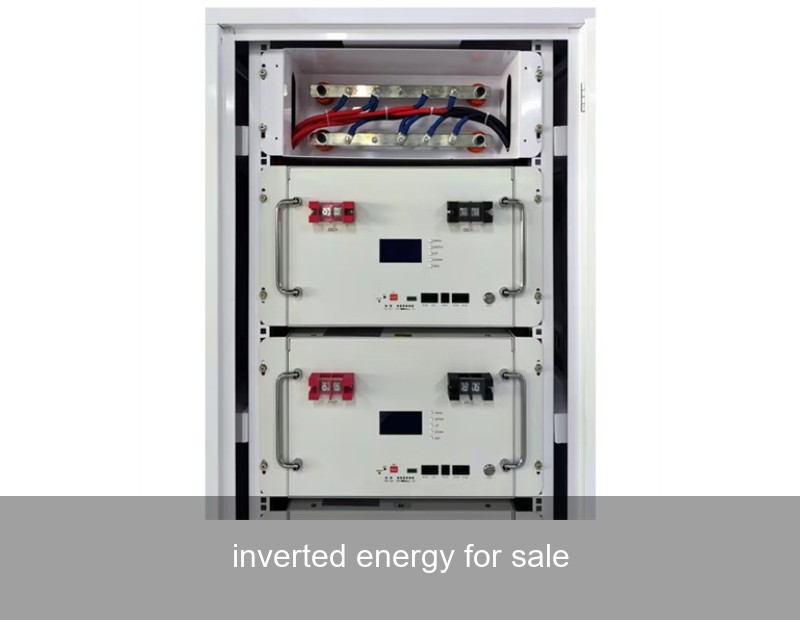
This is where Battery Energy Storage Systems (BESS) become the game-changer. Think of a BESS not just as a battery, but as a sophisticated energy arbitrage and grid services platform sitting in your home or business. It solves the intermittency problem by:
- Time-Shifting Energy: Storing excess solar production from midday for use or sale during the high-demand, high-price evening peak.
- Providing Grid Services: Advanced systems can respond to grid signals in milliseconds to help stabilize frequency, earning additional revenue streams.
- Ensuring Backup Power: Maintaining energy independence and security during outages.
The key differentiator is intelligence. A basic battery stores energy. An intelligent storage system, coupled with an Energy Management System (EMS), decides the most economically optimal action every second: consume, store, or sell.
Highjoule's Role: Enabling Reliable Energy Commerce
At Highjoule, we've been at the forefront of this transition since 2005. We understand that for inverted energy for sale to be a viable asset class, the underlying technology must be robust, smart, and seamlessly integrated. Our product suite is designed specifically for the prosumer and commercial energy trader:
- Residential & C&I ESS: Our H-Joule HomePower and IndustrialCell systems are more than just batteries. They feature integrated hybrid inverters and our proprietary JouleBrain AI EMS. This software platform continuously forecasts energy production and consumption, analyzes real-time electricity market prices (where available), and automatically dispatches stored energy to maximize self-consumption or sales revenue.
- Microgrid Controllers: For communities or industrial campuses, our controller allows multiple generation and storage assets to operate as a single, grid-responsive virtual power plant (VPP).
- Long-Duration Storage Solutions: For applications requiring days, not just hours, of storage, we offer flow battery systems that are ideal for stabilizing microgrids with high renewable penetration.
Our systems are designed with a core principle: your storage asset should work for you 24/7, optimizing for economics and resilience without requiring constant manual intervention.
Case Study: A German Neighborhood's Virtual Power Plant
Let's examine a real-world example from Bavaria, Germany. A community of 50 households, each with rooftop PV, partnered with a local utility to create a citizen-led VPP. Each home was equipped with a solar array and a Highjoule HomePower 10 battery storage system (10 kWh capacity).
The Challenge: Maximize community self-consumption of solar power, reduce grid dependency, and collectively sell balanced blocks of surplus energy to the regional flexibility market.
The Highjoule Solution: All 50 HomePower units were networked via our Cloud JouleBrain EMS. The AI aggregated the distributed resources, forecasting collective generation and load. It then made intelligent, autonomous decisions for each unit: charging batteries with surplus noon sun, discharging during the evening peak for local use, and, crucially, aggregating a portion of the total stored capacity to bid into the grid's primary control reserve market.
| Metric | Before VPP (PV Only) | After VPP (PV + Highjoule BESS) |
|---|---|---|
| Community Self-Consumption Rate | 35% | 78% |
| Average Monthly Grid Import | 42 MWh | 11 MWh |
| Revenue from Grid Services (Annual) | €0 | €18,500 (shared) |
| Grid Peak Demand Reduction | 0% | ~40% during evening peak |
The Outcome: Over one year, the community slashed its grid imports by nearly 75% and generated significant shared revenue by selling grid-stabilizing services. This case, documented in a report by the Fraunhofer Institute for Solar Energy Systems, demonstrates how intelligent storage transforms scattered prosumers into a reliable, grid-supportive force. The inverted energy for sale was no longer just excess kWh; it was a valuable, dispatchable grid asset.

Image Source: Unsplash - Representative image of a modern residential battery storage unit.
The Future of Your Energy Independence
The energy landscape is shifting from centralized consumption to decentralized participation. The concept of inverted energy for sale encapsulates this shift, but its true potential is unlocked only with the intelligence to store, manage, and strategically dispatch power. It's about moving from simply having solar panels to operating a personal, automated micro-utility.
As grid dynamics evolve and markets for distributed flexibility grow, the value of a smart storage system will only increase. The question is no longer if you can sell your excess energy, but how strategically and profitably you can do it.
Is your home or business ready to optimize its energy generation and turn surplus power into a reliable stream of value and grid support? What would the economic and resilience benefits look like for your specific location and consumption profile?
 Inquiry
 Online Chat