


Unlocking Solar Power's Full Potential: A Guide to Inverters with Solar Panels
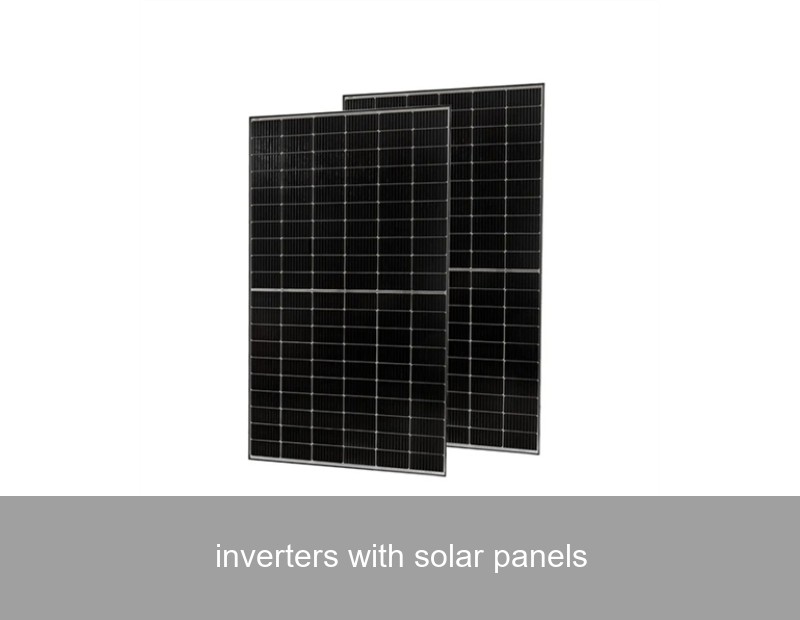
You've made the smart decision to invest in solar panels. Those sleek, dark arrays on your roof are capturing the sun's abundant energy. But here's a question that often gets overlooked: how does that raw, direct current (DC) sunshine become the usable, alternating current (AC) electricity that powers your home, business, or factory? The answer, and arguably the most critical component of your entire solar energy system, is the inverter. Choosing the right inverters with solar panels isn't just a technical detail; it's the key to maximizing your energy independence, efficiency, and return on investment.
Table of Contents
What is a Solar Inverter and Why is it So Important?
Think of your solar panels as a team of hard workers producing a raw material (DC electricity). The inverter is the factory foreman and quality control manager rolled into one. Its primary job is to convert that DC power into the clean, grid-compatible AC power your appliances use. But modern inverters do so much more. They are the intelligent brain of your solar installation, constantly optimizing performance, monitoring for issues, and ensuring safety.
Without a high-quality inverter, even the best solar panels can underperform. Inverter inefficiencies, poor maximum power point tracking (MPPT), or lack of grid support functions can silently erode your expected energy savings. In essence, pairing premium solar panels with a subpar inverter is like putting a state-of-the-art engine in a car with a cheap, clogged fuel filter—you'll never feel the true power.
Types of Inverters for Your Solar Panels
Not all inverters are created equal. The choice depends on your roof, shading, budget, and goals. Here’s a breakdown of the main types:
| Inverter Type | How It Works | Best For | Key Consideration |
|---|---|---|---|
| String Inverters | Connects a full "string" of panels in series to a single, central inverter. | Simple, unshaded roofs with consistent sun exposure. Cost-effective for larger installations. | Shading on one panel can reduce the output of the entire string. |
| Microinverters | A small inverter is attached to each individual solar panel. | Roofs with complex shapes, partial shading, or multiple orientations. Maximizes each panel's output. | Higher initial cost per watt, but often leads to greater overall energy harvest. |
| Power Optimizer Systems (DC-DC) | A hybrid: an optimizer on each panel conditions DC power, sent to a central string inverter. | Similar benefits to microinverters (panel-level optimization) with a centralized conversion point. | Offers a strong balance of performance, monitoring, and cost. |
Hybrid Inverters: The Gateway to Energy Storage
This is where the story gets exciting for energy independence. A hybrid inverter, sometimes called a battery-ready or multi-mode inverter, is designed from the ground up to work seamlessly with inverters with solar panels and battery storage. It can manage energy flow from your panels, to your battery, to your home, and to the grid—all intelligently. This is a core technology in advanced systems like the Highjoule HPS Series. Our integrated power conversion and management systems are engineered to not just convert solar energy, but to orchestrate it intelligently across generation, storage, and consumption, ensuring you use every watt you produce.

Image Source: Unsplash (Representative image of inverter technology)
Key Features to Look For in a Modern Inverter
Beyond the basic type, here’s what separates a good inverter from a great one:
- High Efficiency (e.g., 98%+): Less energy lost as heat means more power for you.
- Advanced MPPT Algorithms: Continuously hunts for the perfect voltage to pull maximum power from your panels, especially crucial on cloudy days.
- Robust Monitoring & Software: A user-friendly app that shows real-time production, consumption, and system health is non-negotiable. Highjoule's EnergyOS™ platform provides this and goes further, offering AI-driven insights and predictive energy management for commercial and residential users alike.
- Grid Services Capability (IEEE 1547-2018): Inverters can now help stabilize the grid by providing voltage and frequency support. This is becoming a requirement in many regions and is a hallmark of utility-grade systems.
- Warranty & Reliability: Look for 10+ year warranties. The inverter is the component most likely to need service, so manufacturer support is critical.
Real-World Impact: A Case Study from California
Let's move from theory to practice. A medium-sized winery in Napa Valley, California, faced two challenges: high daytime energy costs for refrigeration and crushing, and the threat of public safety power shutoffs (PSPS) during wildfire season, which could ruin entire batches of wine.
Phenomenon: Operational vulnerability to grid outages and peak demand charges.
Data & Solution: They installed a 250 kW solar array paired not with a standard inverter, but with a Highjoule C&I储能系统 featuring advanced, grid-forming hybrid inverters and a 500 kWh battery bank. The system was designed for both daily economic savings and backup resilience.
Results:
- Energy Bill Reduction: By using solar and strategically discharging the battery during peak rate periods (4-9 pm), they reduced their monthly demand charges by over 60%.
- Resilience Proven: During a 36-hour grid outage, the system seamlessly islanded the critical loads. The winery's refrigeration and security systems operated uninterrupted, preventing an estimated $150,000 in product loss.
- Increased Self-Consumption: The intelligent inverter system increased their direct use of solar power from ~40% to over 85%, dramatically improving the ROI of the panels themselves.
This case underscores that the right inverters with solar panels and storage transform a simple energy saver into a critical business continuity asset. For more on grid resilience studies, see research from the National Renewable Energy Laboratory (NREL).
The Future: Inverters as Grid Guardians
The role of the inverter is evolving from a simple converter to an active grid citizen. With the rise of renewables, grid stability requires new tools. Advanced inverters can now provide "grid-forming" functions, essentially creating a stable voltage and frequency waveform that other devices can follow, much like a traditional power plant. This is vital for microgrids and areas with weak grid infrastructure.
Highjoule is at the forefront of this transition. Our systems for microgrid and utility-scale applications are built with these advanced inverter capabilities, enabling a higher penetration of renewable energy while maintaining grid reliability and power quality. Learn about the technical standards driving this change from the Institute of Electrical and Electronics Engineers (IEEE).

Image Source: Unsplash (Representative image of utility-scale solar)
Choosing the Right Partner for Your Solar + Inverter System
Selecting components is one thing; ensuring they are perfectly integrated, installed, and supported for decades is another. This is where partnering with an experienced, technology-agnostic provider like Highjoule makes all the difference. Since 2005, we've moved beyond just supplying hardware to delivering comprehensive, intelligent energy solutions.
Our approach is to analyze your specific energy profile, goals, and local regulations to recommend the optimal combination of solar panels, inverters, and storage. Whether it's a residential HPS system for your home, a robust C&I solution for your business, or a fully independent microgrid, our expertise ensures every component, especially the intelligent inverter at the heart, works in harmony.
Your Next Step
The journey to true energy resilience and savings starts with asking the right questions. When you discuss your solar project, will you be considering the inverter as an afterthought or as the intelligent core of your system? What level of control and insight do you want over the clean energy you produce?
We invite you to explore what a truly integrated system, designed around advanced power conversion and management, can do for you. What would you power first if the grid went down, and how can your solar investment be optimized to ensure that happens seamlessly?
 Inquiry
 Online Chat