


Your Complete Guide to Choosing a Solar Panel Battery Kit for Home Energy Independence
Have you ever watched your electricity meter spin and wished you could harness the sun's power not just during the day, but around the clock? You're not alone. Across Europe and the United States, a quiet energy revolution is happening in homes, driven by a simple yet powerful concept: the solar panel battery kit. These integrated systems are transforming how homeowners generate, store, and consume electricity, moving beyond simple solar panels to true energy self-sufficiency. But with so many options, how do you choose the right kit? This guide will demystify solar battery kits, explore the critical data behind their rise, and show you how to make an informed decision for a sustainable and resilient home.
Table of Contents
What Exactly is a Solar Panel Battery Kit?
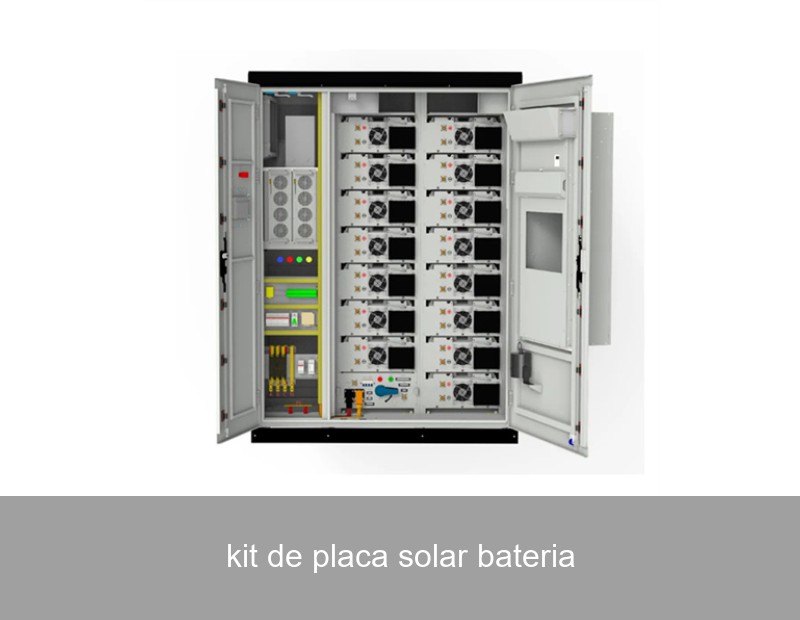
A solar panel battery kit is a pre-engineered package that combines photovoltaic (PV) panels, a battery storage system, an inverter, and necessary mounting and monitoring hardware. Unlike piecing together components from different manufacturers, a cohesive kit is designed to work in harmony, simplifying installation, optimizing performance, and ensuring safety. Think of it as a complete, plug-and-play energy ecosystem for your home. The core promise is straightforward: capture surplus solar energy produced at midday and store it for use in the evening, at night, or during a power outage, dramatically increasing your consumption of self-generated clean energy.
Why the Surge in Popularity? Data Tells the Story
The global shift isn't just anecdotal; it's backed by compelling data. The European Union, aiming for 45% renewable energy by 2030, has seen residential battery storage installations soar, with Germany leading the pack by adding over 200,000 home storage systems in 2022 alone (IRENA). In the United States, despite regulatory variations, the residential storage market grew by over 40% year-over-year, driven by increasing grid reliability concerns and supportive policies like the Investment Tax Credit (ITC).
This phenomenon follows a clear logical progression:
- Phenomenon: Rising energy costs and growing climate consciousness push homeowners toward solar.
- Problem: Basic solar systems export excess power to the grid at low rates, leaving homeowners dependent on the grid at night when rates are high.
- Solution: Adding storage solves this mismatch, maximizing self-consumption and providing backup power.
- Outcome: Greater energy independence, reduced bills, and enhanced resilience become achievable goals.

The key metric here is self-consumption rate. Without a battery, a typical household might only use 30-50% of its solar generation directly. A well-sized solar battery kit can push that figure to 70% or higher, fundamentally changing the economics of your solar investment.
Anatomy of a Quality Kit: Key Components Explained
Not all kits are created equal. Understanding the components is crucial to avoiding a disappointing investment.
| Component | Role | What to Look For |
|---|---|---|
| Solar Panels | Convert sunlight into DC electricity. | High efficiency (>20%), strong warranty (25+ years), and reputable brand. |
| Battery Storage | Stores excess DC electricity for later use. | Lithium-ion chemistry (e.g., LFP for safety), usable capacity (kWh), depth of discharge, and cycle life. |
| Hybrid Inverter | Heart of the system. Converts DC from panels/battery to AC for home use, manages energy flow. | High efficiency, seamless grid-backup switching, smart energy management software. |
| Monitoring System | Provides real-time data on production, consumption, and storage. | User-friendly app, detailed analytics, and remote diagnostics capability. |
The magic lies in the system's intelligence. A premium kit doesn't just connect hardware; it uses software to make predictive decisions—like charging the battery with cheap grid power before a storm or optimizing for time-of-use rates automatically.
Real-World Impact: A Case Study from Southern Spain
Consider the Rodriguez family in Seville, Spain. With high air conditioning demand and abundant sun, their pre-kit setup saw them selling excess solar at €0.05/kWh but buying from the grid at €0.28/kWh after sunset. In 2023, they installed a 8.2 kW solar array coupled with a 13.5 kWh battery storage kit.
- Self-consumption rate: Increased from 35% to 82%.
- Annual electricity bill savings: €1,850.
- ROI period: Estimated at 6.5 years.
- Grid independence during outages: Full home backup for over 24 hours.
This tangible example illustrates the transformative power of a correctly specified and installed system. It's not just about panels on the roof; it's about intelligent storage that captures and leverages every kilowatt-hour.
How to Choose the Right Kit for Your Home
Selecting your ideal solar panel battery kit involves a few critical steps:
- Audit Your Energy Usage: Review your past year's bills. Focus on your baseline nightly consumption and peak usage patterns. This determines your necessary battery capacity.
- Define Your Primary Goal: Is it maximum bill savings, full backup during outages, or reducing carbon footprint? Your goal dictates system sizing and inverter configuration.
- Evaluate Your Site: Roof space, orientation, shading, and local climate all impact solar yield. A professional assessment is invaluable.
- Prioritize System Integration: Ensure the inverter, battery, and management software are from a single, compatible ecosystem. Mixed-brand systems can lead to efficiency losses and complex troubleshooting.

The Highjoule Difference: Intelligent, Integrated Solutions
This is where Highjoule's nearly two decades of expertise come into play. We don't just sell boxes; we provide comprehensive, intelligent power solutions. For homeowners, our Residential Energy Hub is the epitome of a premium solar panel battery kit. It features our high-density, long-life Lithium Iron Phosphate (LFP) batteries, a seamlessly integrated hybrid inverter, and the brains of the operation: the Highjoule EnergyOS™.
This proprietary software platform turns a collection of components into a smart energy asset. It learns your household patterns, integrates with local weather forecasts and grid tariff data (crucial in dynamic European markets), and automatically optimizes your energy flow for cost and comfort. Whether you're in sunny California or in Germany with its variable irradiance, the system adapts to maximize your investment. Our kits are designed for scalability, allowing you to easily add more battery capacity as your needs evolve, all supported by our robust 10-year warranty and 24/7 system monitoring.
For those interested in the technical standards that ensure safety and interoperability in such systems, organizations like the International Energy Agency provide valuable frameworks and reports.
Now that you understand the potential of a well-designed solar battery kit, what's the first step you'll take to understand your home's unique path to energy independence?
 Inquiry
 Online Chat