


Your Complete Guide to the 6 kW Off-Grid Photovoltaic Kit: Energy Independence Explained
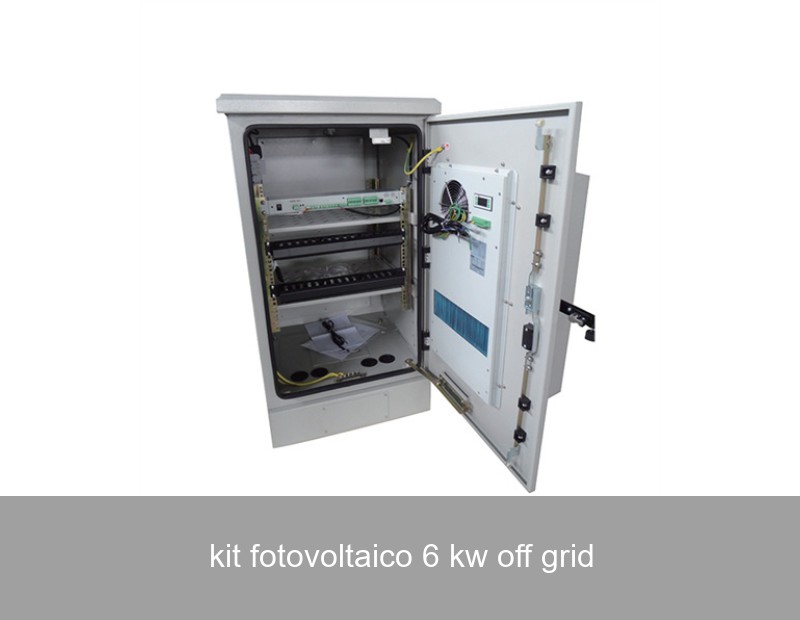
Imagine a home, farm, or workshop, nestled away from the main power lines, yet humming with clean, self-generated electricity. This isn't a dream; it's the reality made possible by a 6 kW off-grid photovoltaic kit. For homeowners and business operators in remote European countryside locations or expansive American rural properties, achieving true energy autonomy is a powerful goal. This comprehensive guide will walk you through what a 6kW off-grid solar system entails, its key components, real-world performance, and how modern solutions from experts like Highjoule are making this technology smarter and more reliable than ever.
Table of Contents
- What is a 6 kW Off-Grid Photovoltaic Kit?
- Core Components of a Robust System
- The Power Reality: What Can a 6 kW System Run?
- Case Study: A Mountain Retreat in the Austrian Alps
- Beyond the Basics: The Highjoule Advantage in Off-Grid Systems
- Key Questions Before You Invest
What is a 6 kW Off-Grid Photovoltaic Kit?
An off-grid photovoltaic kit, often called a standalone power system (SAPS), is designed to operate completely independently of the national electricity grid. A 6 kW rating refers to the peak power output of the solar panel array under ideal conditions. It's a popular size because it strikes a balance between substantial power generation and system cost, capable of supporting a moderate to large energy demand for a full-time residence or a demanding commercial operation like agritourism or remote telecom.
Unlike grid-tied systems that feed excess power back to the utility, every watt produced by your off-grid kit must be consumed immediately or stored for later. This makes the choice of components—particularly the battery storage and intelligent energy management—absolutely critical to your system's success and your long-term satisfaction.
Core Components of a Robust 6 kW Off-Grid System
Think of your kit as a self-contained energy ecosystem. Each part plays a vital role:
- Solar Panels (6 kWp): Typically 16-20 high-efficiency panels. These are your fuel source, converting sunlight into direct current (DC) electricity.
- Off-Grid Solar Inverter/Charger: The system's brain and heart. It converts DC from the panels into usable AC for your appliances, and also manages the charging of the battery bank.
- Battery Energy Storage System (BESS): The cornerstone of off-grid living. This is your energy "bank account" for nights and cloudy days. Capacity is measured in kilowatt-hours (kWh).
- Charge Controller: Protects your batteries from overcharging, maximizing their lifespan. Often integrated into modern inverter-chargers.
- Backup Generator (Optional but Recommended): A diesel or propane generator provides peace of mind during extended periods of poor weather, ensuring you're never without power.
- Mounting System & Balance of System (BOS): Racking, cabling, conduits, and safety disconnects.
| Component | Primary Function | Why It Matters for Off-Grid |
|---|---|---|
| Solar Panels | Generate DC electricity | Your primary, free energy source. Quality affects long-term yield. |
| Battery Bank | Stores excess energy | Determines your energy autonomy duration. The most critical investment. |
| Off-Grid Inverter | Converts DC to AC, manages battery charging | Ensures power quality and system efficiency. Smart features are key. |
The Power Reality: What Can a 6 kW System Run?
A common question is, "Is 6 kW enough for my needs?" Let's break it down. Peak power (6 kW) is different from daily energy production, which depends on your location's solar irradiance. In Southern Europe or the Southwestern US, a 6 kW array might produce 24-30 kWh on a good summer day. In Northern Europe or the Pacific Northwest, that might be 12-18 kWh in winter.
This daily energy budget can comfortably power a typical off-grid home with:
- Energy-efficient refrigerator and lighting (LED)
- Water pump and basic kitchen appliances (microwave, kettle for short durations)
- Television, computers, and electronics
- A washing machine (used strategically)
- Heating, however, is a major consumer. Direct electric space heating or traditional electric water heaters are often impractical; integrating a propane heater or a solar thermal system is a more efficient approach.
The key is not just the solar array size, but the battery capacity. A system with a modest 10 kWh battery will require careful daily management. Pairing your 6 kW array with a larger, more resilient battery bank—say 20-30 kWh—transforms the experience from one of constant energy budgeting to one of true freedom.

Image Source: Unsplash - A typical remote setting for an off-grid solar system.
Case Study: Sustainability and Savings in the Austrian Alps
Let's look at a real-world application. The Huber family runs a year-round alpine guest lodge in Tyrol, Austria, completely off-grid. Their challenge was reliable power for guest comfort (lighting, sauna, kitchen) and operational needs (water treatment, refrigeration) without the prohibitive cost of grid extension.
Their solution was a customized 6.2 kW off-grid system installed in 2022. The core of their system is not just the panels, but a Highjoule HES-Prime 25 battery storage unit with 25 kWh of usable capacity, coupled with a robust hybrid inverter. The system was designed with Austrian winter conditions in mind.
- Annual Production: ~6,800 kWh (validated by PVGIS solar data for Tyrol)
- Battery Autonomy: 3-4 days of full guesthouse operation without sun. Financial Impact: Eliminated a projected €45,000 grid connection fee. Annual diesel generator fuel costs reduced by over 80%, saving approximately €2,500 per year.
- Guest Appeal: Marketing as a "100% renewable energy retreat" has increased off-season bookings by an estimated 15%.
This case highlights that a correctly sized and technologically advanced 6 kW off-grid system is not just a power solution, but a strategic investment that pays operational, environmental, and marketing dividends.
Beyond the Basics: The Highjoule Advantage in Off-Grid Systems
At Highjoule, with nearly two decades of experience, we understand that an off-grid system is more than a sum of parts. It's a mission-critical power plant. Our approach integrates our advanced hardware with intelligent software for unparalleled reliability.
For a 6 kW off-grid photovoltaic kit scenario, we don't just supply components; we provide integrated systems. Our HES-Prime series battery storage systems, built with durable lithium iron phosphate (LFP) chemistry, are engineered for the daily deep-cycle demands of off-grid life. They offer exceptional cycle life and safe operation.
More importantly, our Energy Management System (EMS) software is what sets us apart. It intelligently prioritizes loads, can seamlessly integrate and start a backup generator when needed, and gives you complete visibility and control over your energy flow via a simple smartphone app. You're not just buying a battery; you're gaining a smart energy partner that learns and adapts to your consumption patterns, ensuring no watt goes to waste.
Image Source: Unsplash - Visualizing energy flow is key for off-grid management.
Key Questions to Ask Before You Invest
Embarking on an off-grid journey requires careful planning. Before choosing your kit fotovoltaico 6 kw off grid, ask yourself and potential suppliers these questions:
- What is my detailed, season-by-season energy audit? (List all appliances and their usage.)
- How many days of battery autonomy do I need for my location's worst-case weather?
- Does the system include professional-grade monitoring and remote diagnostics?
- What is the warranty on the battery, specifically its cycle life and capacity retention?
- Can the system be easily expanded in the future if my energy needs grow?
The right provider will help you answer these questions, not just sell you a box of equipment.
Ready to Design Your Energy Independence?
The journey to a self-sufficient power supply is incredibly rewarding. A well-designed 6 kW off-grid system, powered by intelligent storage and management like Highjoule's solutions, can provide clean, quiet, and reliable energy for decades. It transforms a remote property from an isolated location into a modern, comfortable, and sustainable haven.
What does your vision of perfect energy freedom look like, and how can we help you build a system that's not just powerful, but also intelligent and resilient enough to make that vision a daily reality?
 Inquiry
 Online Chat