


The 5 kW Off-Grid Solar Battery System: Your Blueprint for True Energy Freedom
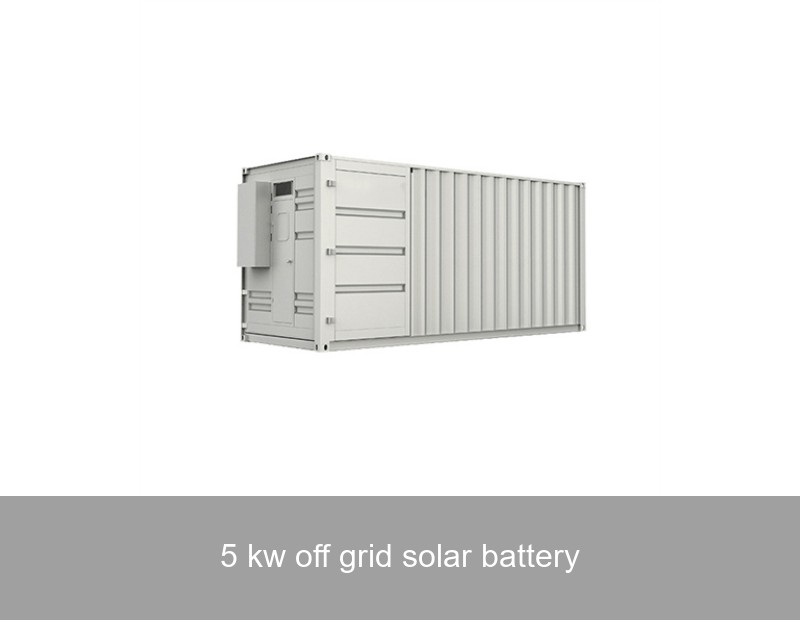
Imagine a power outage. The lights flicker and die, the refrigerator hum falls silent, and the connected world suddenly feels very distant. Now, imagine that scenario simply doesn't apply to you. This is the promise of energy independence, and for a growing number of homeowners, farmers, and remote business operators, the cornerstone of this freedom is a 5 kW off-grid solar battery system. It's more than just a backup; it's a complete, self-sustaining power plant on your property. As a product technology expert at Highjoule, I've seen firsthand how this specific system size has emerged as a goldilocks solution—not too small, not excessively large—for those looking to sever ties with the utility grid reliably and efficiently.
Why a 5 kW Off-Grid System is the "Sweet Spot"
You might be wondering, "Why 5 kilowatts?" The answer lies in a balance between capability, cost, and common energy needs. A 5 kW solar array is a substantial power generator, capable of producing a significant daily energy yield that, when paired with sufficient battery storage, can match the consumption patterns of many energy-efficient homes and small businesses.
Let's talk data. According to the U.S. Energy Information Administration, the average U.S. residential customer uses about 886 kWh per month, or roughly 29 kWh per day. A well-designed 5 kW off-grid system in a sunny region (like Southern Europe or the American Southwest) can generate between 20 to 30 kWh on a good day. This brings it squarely into the range of covering average daily needs, especially when the home employs efficient appliances and LED lighting. The key, of course, is not just generation but storage—storing that solar energy in high-quality batteries to power your nights and cloudy days.

Image Source: Unsplash - A visual representation of energy-independent living.
The Core Challenge: From Intermittent Sun to 24/7 Power
The fundamental "phenomenon" of solar power is its intermittency. The sun doesn't shine at night. This creates the critical need for an intelligent storage system. A 5 kW off-grid solar battery system solves this by integrating three core functions: generation (solar panels), storage (battery bank), and smart power management (inverter/charger). The system's brain must constantly decide when to power loads directly from the sun, when to charge the batteries, and when to draw from the batteries, all while protecting the equipment and ensuring not a single watt is wasted.
Key Components of a Robust 5 kW Off-Grid System
Building a reliable off-grid system is like assembling a championship team; every player has a critical role. For a 5 kW setup, the components must be precisely matched.
- Solar Panels (PV Array): Typically, you'll need around 15-20 high-efficiency panels (at 300-350W each) to achieve a 5 kW DC rating. Oversizing the array slightly is a common practice to ensure ample charging on shorter winter days.
- Battery Energy Storage System (BESS): This is the heart. For a 5 kW load, you need a battery bank with enough capacity (kWh) to carry you through sunless periods. A common benchmark is 2-3 days of autonomy. Using lithium-ion technology, like Lithium Iron Phosphate (LFP), this might mean a 20-30 kWh battery bank. LFP batteries, known for safety and long cycle life, have become the industry standard.
- Off-Grid Inverter/Charger: This is the brain and the brawn. It must handle a 5 kW continuous AC output to run your appliances. It converts DC from the panels and batteries to AC for your home. Crucially, it also includes a charger that can use a backup generator (a common companion in off-grid setups) to top up the batteries during extended poor weather.
- System Controller & Monitoring: Modern systems offer intuitive monitoring. You can track your energy production, battery state of charge, and consumption in real-time from your smartphone, giving you complete control over your power ecosystem.
| Time of Day | Solar Generation | Household Load | Battery Action | Power Source |
|---|---|---|---|---|
| 8:00 AM - 12:00 PM | High | Medium | Charging | Solar Panels |
| 12:00 PM - 4:00 PM | Peak | Low | Charging (Full) | Solar Panels |
| 4:00 PM - 8:00 PM | Low to None | High (Evening peak) | Discharging | Battery Bank |
| 8:00 PM - 8:00 AM | None | Low (Baseload) | Discharging | Battery Bank |
Real-World Case Study: The Colorado Mountain Homestead
Let's move from theory to practice. In 2022, a family building a homestead near Crested Butte, Colorado, faced a daunting challenge: grid connection quotes exceeded $120,000. They turned to an off-grid solution centered around a 5 kW solar array paired with a 28 kWh lithium battery bank. The system was designed to power a 1,800 sq ft energy-efficient home with a well pump, standard kitchen appliances, and office equipment.
- Annual Production: ~7,300 kWh (based on NREL's PVWatts Calculator).
- Critical Load: Designed for a continuous 5 kW with a 10 kW surge for starting motors (like the well pump).
- Battery Autonomy: ~2.5 days of normal use without sun.
- Backup: A propane-fueled generator auto-starts if battery charge falls below 20% during a prolonged storm.
After two full years of operation, the family reports near-total energy independence. Their generator runs for less than 50 hours per year, primarily in deep winter. The key to their success? Precise load management (they delay high-energy tasks like laundry to sunny afternoons) and, as they noted, "choosing an integrated system where all components were designed to communicate flawlessly," which minimized energy losses and maximized battery life.
Engineered for Independence: Highjoule's Integrated 5 kW Off-Grid Solutions
At Highjoule, we've dedicated nearly two decades to mastering the complexities of energy storage and conversion. Our approach to 5 kW off-grid solar battery systems is holistic. We don't just sell components; we provide engineered, integrated solutions. Our HPS-5 Off-Grid Power Station is a prime example, bundling a high-efficiency 5 kW hybrid inverter/charger with our proprietary LFP battery modules, which are scalable from 10 kWh to over 30 kWh.
What sets our systems apart is the intelligence layer. Our Energy Operating System (EOS) performs real-time optimization, deciding the most efficient path for every watt of energy. It extends battery lifespan through advanced thermal management and precise charging algorithms. For our customers in remote parts of Scandinavia or off-grid ranches in Texas, this reliability isn't a luxury—it's a necessity. Furthermore, our global service network provides remote diagnostics and support, a crucial benefit when your home is miles from the nearest utility pole.

Image Source: Unsplash - Example of a sleek, modern residential battery installation.
Planning Your 5 kW Off-Grid System: Key Questions to Ask
Embarking on an off-grid journey requires careful planning. Before deciding on a 5 kW system, you must conduct a detailed energy audit. List every appliance, its wattage, and estimated daily run time. Don't forget seasonal variations—are you running AC in summer or electric heating in winter? This audit will tell you if your average daily consumption aligns with a 5 kW system's output or if you need to adjust efficiency or system size.
Secondly, consider your "non-negotiables." Is running power tools a daily necessity? Do you have medical equipment that requires absolute uptime? This defines your needed battery capacity and backup strategy. Partnering with an expert who can model different weather scenarios and consumption patterns is invaluable. At Highjoule, our technical teams use sophisticated simulation software to design systems that deliver peace of mind, not just power.
The Final Piece: Maintenance and Longevity
A common misconception is that off-grid systems are "install and forget." While modern systems like Highjoule's are incredibly robust and largely automated, a basic understanding is key. Monitoring your battery state of charge, keeping solar panels clean, and having a service plan for your backup generator are part of the responsible ownership that ensures your 5 kW off-grid solar battery system delivers for its 20+ year lifespan.
So, as you contemplate a life untethered from the grid, what will be the first appliance you turn on with the pure, silent power generated and stored by your own land?
 Inquiry
 Online Chat