


Unlock Energy Independence: Your Guide to the Latest Solar System for Home
Imagine a home that not only shelters your family but also powers it—quietly, cleanly, and with remarkable intelligence. This is no longer a futuristic dream. The latest solar system for home is a sophisticated energy ecosystem, moving far beyond simple rooftop panels. It's a fusion of high-efficiency generation, smart battery storage, and intelligent energy management designed for modern energy challenges. For homeowners in Europe and the US, this evolution is key to combating rising electricity costs, increasing grid instability, and achieving true energy self-sufficiency.
Table of Contents
The Phenomenon: Why Home Energy is Being Redefined
You've likely felt it: the pinch of your monthly utility bill, news of grid strain during heatwaves, or the desire to make a tangible environmental choice. These aren't isolated issues. In the US, residential electricity prices have risen by over 30% in the last decade (Source: U.S. EIA). Simultaneously, Europe has seen volatile energy markets, pushing self-consumption from a nice-to-have to a strategic necessity. The modern homeowner is now an energy producer, or "prosumer," and the technology has finally caught up to this ambition.

Image: The modern energy-independent home. Source: Unsplash
The Evolution: From Panels to a Power Plant
Gone are the days of one-size-fits-all solar. The latest solar system for home is defined by three key advancements:
- High-Efficiency Module Technology: Panels now use PERC, TOPCon, and even heterojunction cells, converting over 22% of sunlight into electricity, meaning you need less roof space for more power.
- Smart Battery Storage as the Heart: The system's brain isn't on the roof; it's in the battery. Storage allows you to capture excess solar energy for use at night or during outages, maximizing self-consumption from ~30% to 70% or more.
- AI-Driven Energy Management: Systems now predict weather, learn your consumption habits, and autonomously decide when to store, use, or even sell back energy to the grid for optimal savings.
Core Components of a Modern Home Solar System
Let's break down what makes up a cutting-edge residential energy system:
| Component | Role | Latest Innovation |
|---|---|---|
| Solar Panels | Primary energy generation | Bifacial panels (capturing light from both sides), TOPCon cells for better low-light performance |
| Hybrid Inverter | Converts DC (solar/battery) to AC (home use), manages energy flow | All-in-one units integrating solar charging, battery inverter, and grid connection |
| Battery Energy Storage System (BESS) | Stores surplus solar energy for later use | Lithium Iron Phosphate (LFP) chemistry for safety & longevity, modular scalable capacity |
| Energy Management System (EMS) | The intelligent software "conductor" | AI algorithms for load forecasting, tariff optimization, and seamless integration with smart home devices |
Real-World Impact: A Case Study from Bavaria
Data and theory are compelling, but real-life results are definitive. Consider the Müller family home in southern Germany. Facing electricity costs of €0.38/kWh and a desire for resilience, they installed a latest solar system for home in early 2023. Their setup includes a 12 kWp solar array and a 15 kWh modular battery storage system.
Here are their results after one year, monitored via their system's app:
- Self-Consumption Rate: Increased from an estimated 35% (solar only) to 82% with battery storage.
- Grid Independence: Achieves near 100% energy autonomy from April to September.
- Annual Savings: Reduced grid electricity purchases by 78%, saving approximately €2,300 annually.
- Backup Power: The system provided uninterrupted power during two planned grid outages in the winter.
This case mirrors the findings of the Fraunhofer Institute for Solar Energy Systems, which emphasizes that coupling PV with storage is the most cost-effective path for high self-consumption in residential settings.
How Highjoule Integrates Intelligence into Your Home
As a global leader in advanced energy storage since 2005, Highjoule designs solutions that turn the components above into a seamless, high-performance asset for your home. Our approach is to provide not just hardware, but a holistic energy intelligence platform.
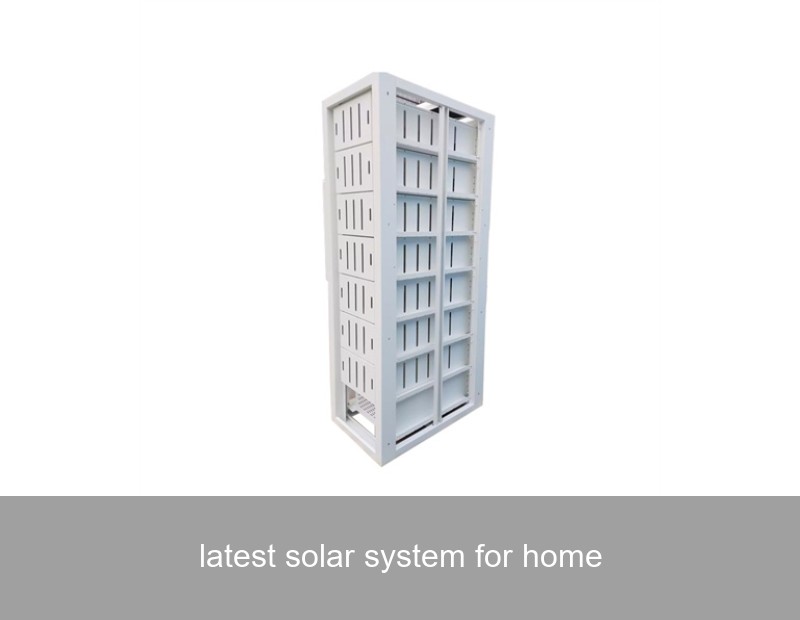
For the residential market, our Highjoule HomePower Stack is the cornerstone. It's a modular, wall-mounted battery system built with ultra-safe LFP chemistry, scalable from 10 kWh to 30 kWh. What truly sets it apart is the Highjoule Neuron EMS—a cloud-connected platform that continuously analyzes local weather data, real-time energy prices (in applicable markets), and your usage patterns.

Image: Example of a modern, integrated home battery storage unit. Source: Unsplash
Imagine this: The Neuron platform forecasts a sunny afternoon followed by a peak grid tariff period in the evening. It will ensure your battery is fully charged by solar, then power your home from the battery during the expensive evening hours, avoiding costly grid imports. If a storm is coming, it will proactively ensure the battery is full for backup readiness. This level of automation is what defines the latest solar system for home.
Beyond the Battery: Highjoule's Ecosystem
- Integrated Inverter Solutions: We offer compatible hybrid inverters or seamlessly integrate with leading solar inverter brands, providing flexibility.
- EV Charging Coordination: Our system can intelligently schedule your electric vehicle charging to use surplus solar or off-peak power.
- Professional Microgrid Solutions: For communities or larger estates, our technology can form a localized, resilient microgrid.
The Future is Integrated and Intelligent
The trajectory is clear. The home of the near future will view its energy system—solar, storage, EV, and smart appliances—as a single, coordinated entity. This entity will interact dynamically with the grid, providing stability and earning revenue through virtual power plant (VPP) programs, which are already active in parts of California, Germany, and the UK. Your home becomes an active node in a cleaner, more resilient energy network.
The technology is here, the economics are increasingly favorable, and the need for energy resilience is more apparent than ever. The question is no longer if you should upgrade to a smart solar and storage system, but how to design the right one for your home's unique energy profile and future aspirations.
What is the first energy goal you would set for your home: eliminating peak-time bills, ensuring 24/7 backup for essential loads, or maximizing your contribution to a sustainable grid?
 Inquiry
 Online Chat