


Deep Cycle Batteries for Solar: Your Guide to Reliable, 24/7 Clean Energy
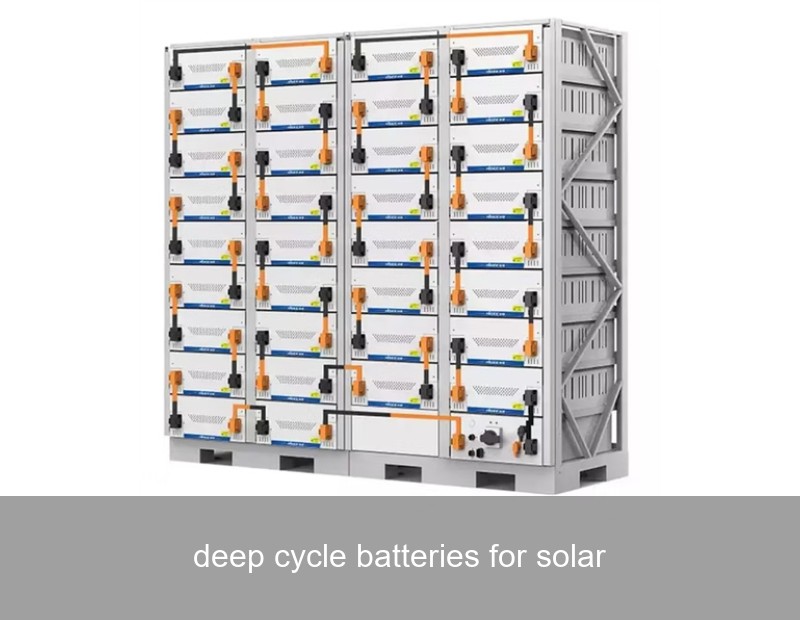
So, you've made the smart decision to install solar panels. You're generating your own clean electricity, reducing your carbon footprint, and watching your energy bills drop. But then the sun sets, or a cloudy day rolls in, and your system's output plummets. This is the fundamental challenge of solar power: it's intermittent. The solution? Pairing your panels with the right deep cycle batteries for solar. These aren't your ordinary car batteries; they're the resilient heart of a system designed to store sunshine for when you truly need it. Let's explore how this technology works and why choosing the correct battery is critical for energy independence, especially in markets like Europe and the U.S. where energy security is a growing concern.
What Are Deep Cycle Batteries for Solar?
Unlike a car battery that delivers a short, high-power burst to start an engine, a deep cycle battery is built for endurance. It's designed to be steadily discharged, using a significant portion of its stored capacity (often 50-80%), and then recharged, day in and day out, for years. Think of it as a marathon runner versus a sprinter. For a solar energy storage system, this means reliably powering your home or business appliances through the night and during low-production periods.
At Highjoule, with nearly two decades of experience since 2005, we've seen the technology evolve from simple lead-acid to advanced lithium-ion and beyond. Our intelligent battery energy storage systems (BESS) are engineered specifically for this deep cycling duty, ensuring maximum cycle life and return on your investment.
Why They Matter: Bridging the Solar Energy Gap
The phenomenon is clear: solar generation and energy demand are often out of sync. Homes use more power in the early morning and evening, while solar production peaks at midday. Without storage, excess solar energy is often fed back to the grid for minimal compensation, leaving you drawing expensive power from the grid at night.
The data underscores the value. According to the U.S. Department of Energy, adding storage can increase the value of solar by managing peak demand and providing backup power. In Europe, with its ambitious REPowerEU plan and volatile energy prices, the drive for self-consumption is even stronger. A well-sized deep cycle battery bank can increase a household's direct use of self-generated solar power from 30% to 70% or more, dramatically slashing bills.

Image: A complete home solar and storage setup. Source: Unsplash
The Core Benefits
- Energy Independence: Reduce reliance on the grid and protect against rising tariffs and outages.
- Maximized Solar Investment: Use the energy you produce instead of selling it cheaply.
- Backup Power: Keep essential loads running during grid failures.
- Grid Support: Advanced systems, like Highjoule's commercial solutions, can participate in grid services, creating potential revenue streams.
Key Technologies & What to Look For
Not all deep cycle batteries are created equal. The technology you choose impacts cost, lifespan, and performance.
| Battery Type | Pros | Cons | Best For |
|---|---|---|---|
| Lithium-Ion (LiFePO4) | Long lifespan (5,000+ cycles), high depth of discharge (90%), compact, low maintenance. | Higher upfront cost. | Most residential and commercial applications where longevity and performance are key. |
| Lead-Acid (Flooded) | Lowest upfront cost, widely available technology. | Shorter lifespan (3-5 years), requires regular maintenance, ventilation, lower DoD. | Budget-conscious, off-grid systems with regular maintenance access. |
| Advanced Lead-Carbon | Better cycle life than standard lead-acid, good for partial-state charging. | Heavier, less energy-dense than lithium. | Applications where temperature extremes are a concern. |
When evaluating deep cycle batteries for solar, focus on these specs:
- Usable Capacity (kWh): How much energy you can actually use.
- Depth of Discharge (DoD): The percentage of the battery that can be safely used. A 10kWh battery with 90% DoD gives you 9kWh of usable energy.
- Cycle Life: The number of charge/discharge cycles before capacity degrades to a specified level (e.g., 80% of original).
- Round-Trip Efficiency: How much energy you get out versus what you put in. Lithium-ion typically excels here at 95%+.
Highjoule's Helios-Ion Series residential batteries, for instance, utilize stable LiFePO4 chemistry, offer a 100% depth of discharge, and come with an intelligent management system that optimizes cycling to extend life far beyond warranty periods. For larger-scale needs, our GridMax BESS provides modular, containerized solutions for businesses and microgrids.
A Real-World Case Study: The Schlosshotel, Bavaria
Let's move from theory to practice. A boutique hotel in the Bavarian Alps, committed to sustainability, faced a common problem. Their existing solar array covered about 40% of their daytime load, but they remained heavily dependent on the grid, especially for evening power peaks and winter operations. Their goal was to increase self-consumption and achieve backup power for critical hotel systems.
The Solution: Highjoule designed and deployed a tailored 120kWh battery storage system using our commercial-grade lithium-ion modules, integrated with their existing solar inverters.
The Data-Driven Results (after 12 months):
- Self-Consumption Rate: Increased from 40% to 82%.
- Grid Energy Cost Reduction: Achieved savings of approximately €14,000 annually.
- Backup Power: The system now provides seamless backup for reception, emergency lighting, and key kitchen equipment for up to 8 hours during an outage.
- Peak Shaving: The intelligent system discharges during high-price evening peaks, avoiding the most expensive grid tariffs.
This case, typical of many across Europe and North America, shows that deep cycle batteries for solar are not just a technical component; they are a financial and operational asset. You can read more about the importance of storage for renewable integration from the International Energy Agency.

Image: Example of a commercial property in the Alps benefiting from solar and storage. Source: Unsplash
The Future & Making the Right Choice
The landscape of energy storage is dynamic. We're seeing trends towards longer-duration storage, increased software intelligence for energy management, and even second-life applications for electric vehicle batteries. The core principle, however, remains: matching robust, cycle-proven battery technology with intelligent control.
Choosing the right system requires honest assessment:
Key Questions to Ask:
- What is my primary goal? (Bill savings, backup power, total off-grid?)
- What is my critical load during an outage? (This sizes your battery.)
- Does the provider offer a complete, integrated solution with smart monitoring?
- What is the total cost of ownership, including expected lifespan and efficiency, not just the sticker price?
This is where partnering with an experienced provider like Highjoule makes the difference. We don't just sell batteries; we provide intelligent, efficient, and sustainable power solutions. From initial consultation and system design using advanced modelling tools to installation support and remote monitoring via our Highjoule Nexus™ platform, we ensure your deep cycle battery system delivers on its promise for years to come.
The journey to true energy independence is exciting. With the right storage partner, your solar investment can reach its full potential. What will you power first when you unlock the sun, day and night?
 Inquiry
 Online Chat